A home appraisal is one of the quieter steps in a purchase, but it carries real weight: it is the moment an independent professional puts a number on what a property is worth, and that number can confirm a deal, reshape it, or end it. This guide explains who orders an appraisal, what the appraiser does, how comparable sales drive the figure, and the options when the value comes in below the agreed price. It follows on from steps such as how to get pre-approved for a mortgage, because the appraisal is where the lender checks that the home supports the loan.

What a Home Appraisal Is — and Who Orders It
A home appraisal is an independent, professional opinion of a property’s market value at a specific point in time. In a purchase involving a mortgage, it is ordered by the lender, not by the buyer or the seller: the lender is putting up most of the money, the home is the security for the loan, and a neutral party must confirm the property is worth enough to support the amount borrowed.
The buyer usually pays the fee as part of the loan costs, but paying does not make the buyer the client. The appraiser’s duty is to the accuracy of the valuation, not to either side — a value that simply echoes the agreed price would protect nobody.
The Appraiser: Independent, Licensed, and Working to Standards
Appraisers are licensed or certified professionals who must work independently of the buyer, the seller, the agents, and even the lender’s sales staff. In the United States, appraisals for most mortgage lending follow the Uniform Standards of Professional Appraisal Practice (USPAP), which set rules on ethics, competence, and how a valuation is developed and reported.
In practice, an appraiser cannot be pressured to “hit a number”: ordering systems keep a wall between the people who want the loan approved and the person deciding the value. If the evidence supports a lower figure, the report must say so — the licence depends on it.
The Process, Step by Step
An appraisal looks like a single visit, but most of the work happens before and after it.
- Assignment. The lender engages the appraiser, who confirms the property and the scope of work.
- Research. The appraiser gathers records on the home — size, age, lot, sales history — and studies recent sales of similar properties nearby.
- The visit. The appraiser walks through the property, measuring the living space, photographing rooms, and noting condition, layout, finishes, upgrades, and visible problems. The lot and exterior are assessed as well.
- Analysis. The subject home is compared against the comparable sales, with adjustments made for differences.
- Reconciliation. The appraiser weighs the evidence and arrives at a single opinion of value, explained in a written report.
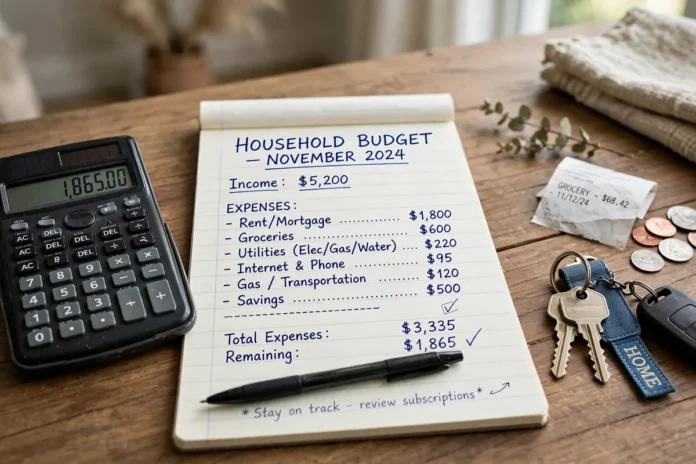
The appraisal answers a different question from how much house can you afford: not the buyer’s budget, but what the market evidence says this home is worth.
Comparable Sales: The Heart of the Valuation
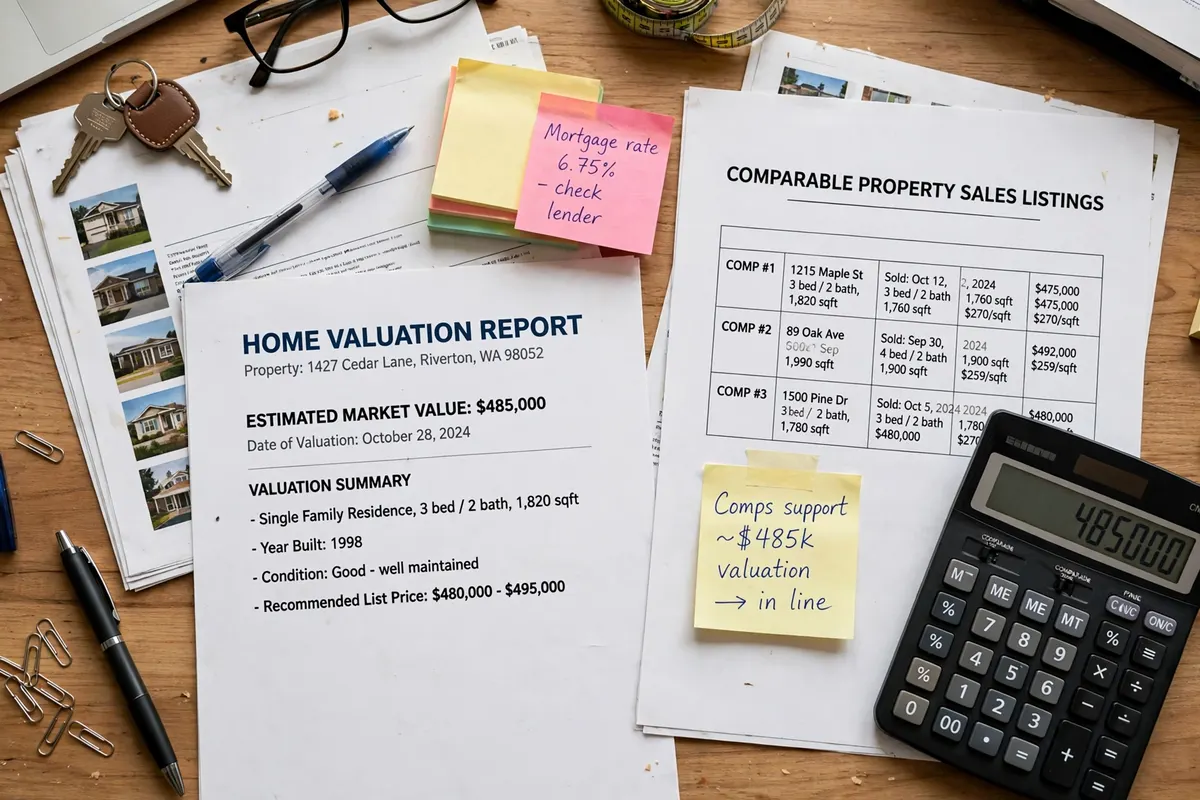
For houses, value is decided mainly by comparable sales, usually shortened to “comps”: recent sales of properties as similar as possible to the home being appraised — ideally in the same neighbourhood, sold within the past few months, of similar size, age, and style.
No two homes are identical, so the appraiser adjusts each comp’s sale price for the differences. An extra bedroom, a renovated kitchen, or a larger lot in a comp pulls its adjusted price down; features the comp lacks push it up. The adjusted prices form a range, reconciled into one value, with most weight on the comps needing the fewest adjustments.
The Three Approaches to Value
Appraisal standards recognise three approaches:
- Sales comparison approach. The value is derived from comparable sales, as described above. For ordinary houses this is the main approach — it reflects what buyers are actually paying.
- Cost approach. The value is estimated from what it would cost to rebuild the home today, minus depreciation, plus the land value. Most useful for newer or unusual properties with few comps.
- Income approach. The value is based on the rent the property could earn, capitalised into a price. Used mostly for rental and investment properties.
Appraisal vs Inspection vs Market Analysis
These three are often confused, but they answer different questions:
- Appraisal: What is the home worth? Ordered by the lender, performed by a licensed appraiser, focused on value. It protects the loan.
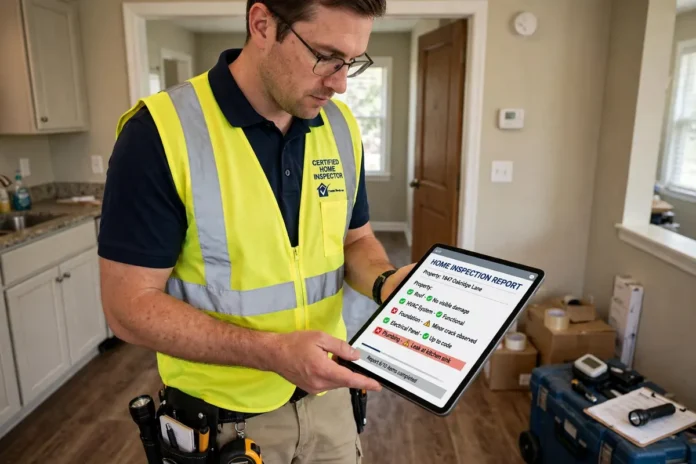
- Home inspection: What condition is the home in? Ordered by the buyer, performed by an inspector, focused on defects, safety, and the systems. It protects the buyer.
- Market analysis (CMA): What price might the home sell for? Prepared by an agent to set or test an asking price — a marketing opinion, not a formal valuation, and not something a lender will lend against.
An appraiser notes visible condition issues, because condition affects value — but that is no substitute for an inspection, and an inspection says nothing about whether the price is fair.
What the Value Affects
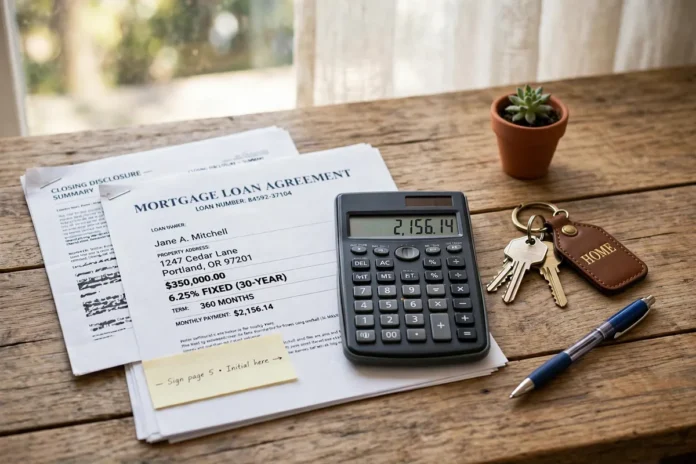
The appraised value feeds directly into the lender’s loan-to-value calculation — the loan amount divided by the value. Confirm the price, and the loan proceeds as planned. Come in lower, and the loan-to-value rises: the buyer may face private mortgage insurance (PMI) the original figures had avoided, need more cash at closing, or see the loan reduced or declined. The appraisal is no formality; the financing structure rests on it.
If the Appraisal Comes In Low
A low appraisal is a problem, not automatically the end of the deal. The usual routes, depending on the contract:
- Renegotiate. The buyer asks the seller to lower the price toward the appraised value. Sellers often prefer this to starting again.
- Pay the gap. The buyer covers the difference between the price and the appraised value in cash, on top of the down payment — requiring spare funds and a genuine belief the home is worth it.
- Challenge the value. If the appraisal contains errors — wrong room counts, missed upgrades, poor comps — the lender can be asked for a reconsideration of value, supported by better comparable sales.
- Walk away. With an appraisal contingency in the contract, the buyer may exit and recover the earnest money; without one, walking away can mean losing the deposit.
How Long It Takes and What It Costs
Ordering to delivery usually takes days to a couple of weeks, depending on workload and access; the visit itself commonly takes under an hour. The fee is often a few hundred dollars, varying with location, size, and complexity, and is payable whether or not the purchase completes.
Preparing for an Appraisal as a Seller
A seller cannot set the value, but can make sure the appraiser sees the home accurately:
- Prepare a written list of upgrades, with dates — a renovated kitchen, a new roof, replaced systems — so nothing is missed.
- Make sure every room, the attic, and any outbuildings are accessible.
- Tidy and clean: condition is noted.
- Mention features that are not obvious, such as owned solar panels or a new water heater.
Following the appraiser around arguing for a price does not help. The evidence does the persuading.
Common Myths
- “The appraiser works for the seller.” No — the appraiser is independent, working to professional standards for neither side.
- “The appraised value is the tax assessment.” No — assessments are for taxation, on a different cycle and basis, and routinely differ.
- “A refinance appraisal is different.” It works the same way: lender-ordered, comp-driven, and setting the loan-to-value.
Frequently Asked Questions
Who orders a home appraisal, and who pays for it?
The lender orders it, to confirm the home supports the loan. The buyer typically pays the fee within the loan costs, but the appraiser remains independent of both sides.
How do appraisers choose comparable sales?
They look for recent sales of homes as similar as possible — same area, similar size, age and style — then adjust each price for differences such as extra rooms, renovations or lot size.
What happens if the appraisal comes in below the agreed price?
Renegotiate the price, cover the difference in cash, challenge the value with better comparable sales through the lender, or withdraw if the contract has an appraisal contingency.
Is an appraisal the same as a home inspection?
No. An appraisal estimates what a home is worth, for the lender; an inspection assesses its condition, for the buyer. A purchase normally involves both.
How long does an appraisal take?
The visit usually takes under an hour for a typical house; the full process — ordering, research, visit and report — takes days to a couple of weeks.
Can a seller influence the appraised value?
Not directly. Listing upgrades with dates, giving access to the whole property, and presenting the home clean and tidy all help the appraiser record its true condition.
This article is general information, not financial advice.