The first serious snowfall of the year exposes every gap in a household’s winter setup at the worst possible moment: the blower that will not start, the shovel with the cracked handle, the empty ice-melt bucket, the driveway edge nobody can find under fresh snow. None of these problems is expensive or difficult in November. All of them are miserable at 6 a.m. in January. Snow removal prep is a single calm-weather session — check the gear, service the blower, stock the supplies, mark the ground and agree the plan — after which the whole season becomes routine instead of emergency.

The Shovel Check: Two Tools, Not One
Most driveways need two different shovels, and November is when to discover whether both still work. A wide push shovel moves light snow quickly across flat ground without lifting — it does most of the season’s work. A smaller lifting shovel handles the heavy, wet band the street plow leaves across the apron, and the piles a pusher cannot move. Check both handles for cracks, blades and wear strips for wear, and any folding handle for a proper lock.
The honest rule of snow shovelling is to push whenever pushing is possible, and to lift small amounts when lifting is unavoidable. Keep a shovel at the door used most, not buried at the back of the garage — the first small clearing is usually done in a hurry, which is exactly how falls happen.
Snow Blower Prep: Start It Before It Snows
A snow blower that has sat since March deserves a proper recommissioning, not a hopeful pull on the storm morning. Work through the manufacturer’s checklist, which for most machines means: check the engine oil and change it if due; replace stale fuel — the most common reason small engines refuse to start — with fresh fuel and any stabiliser the manual specifies; inspect the spark plug; check tyre pressure; look over belts, cables and the auger; and confirm the shear pins are intact, with spares in the garage, since a broken pin stops the machine mid-storm. Then actually start it on a clear day, run the auger and drive, and shut it down knowing it works.
Two safety rules prevent the worst injuries of the season. Never put a hand inside the auger housing or discharge chute — not even with the engine off, since a jammed auger can hold tension and move when the blockage clears. Use the clearing tool supplied with the machine, with the engine stopped and the spark plug lead removed. And never run the engine inside a closed garage; start it outside or with the door fully open. Keep fuel in a proper container, away from ignition sources and out of the house.
Ice Melt: Stock It Early, Use It Sparingly
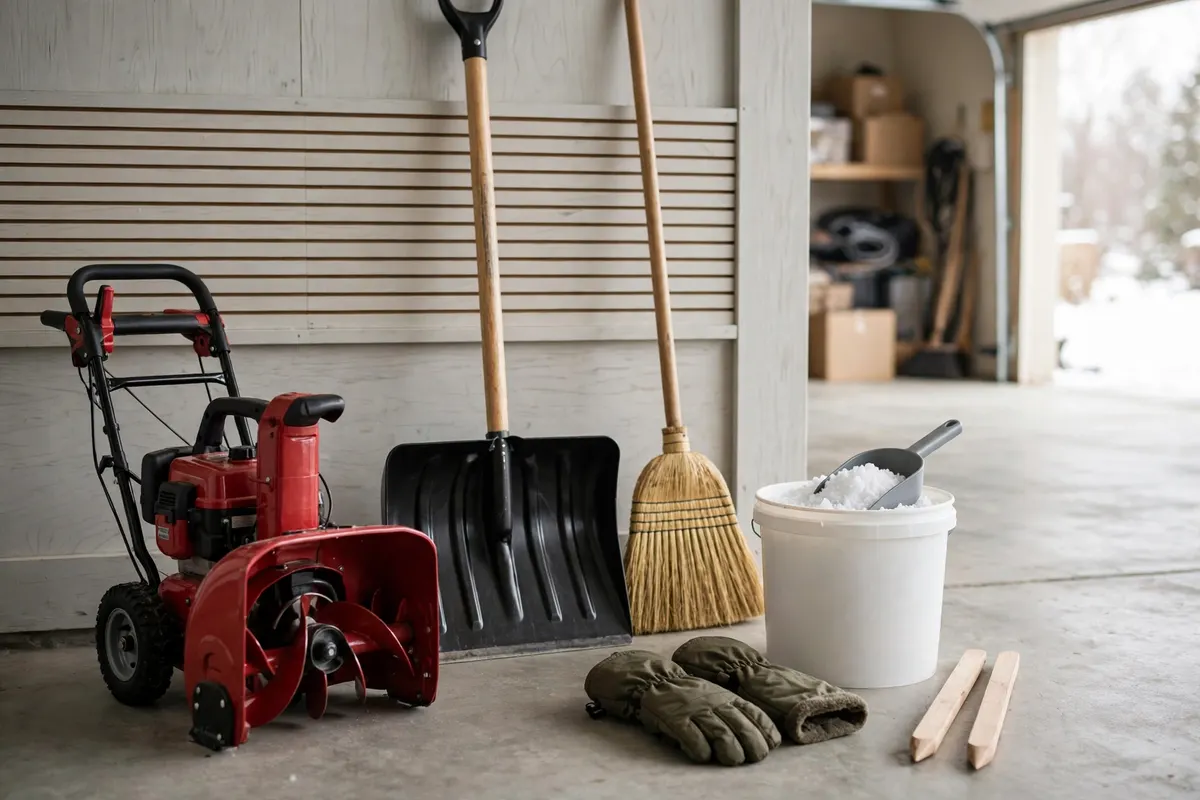
Ice melt bought during a storm costs more and is often unavailable, so stock it in November. Understand what the products do, so the right one lands on the right surface. Plain rock salt (sodium chloride) is cheap and effective down to moderately low temperatures but loses power in deep cold. Calcium chloride works at considerably lower temperatures, acts faster, and is generally the gentler choice — though no chloride is kind to plants when overused. The rules that matter more than the brand: apply a light scattering early rather than a heavy dump on thick ice; sweep up residue in spring; keep melt away from planting beds; and remember sand as the alternative — it adds grip with no chemical load, at the cost of a spring clean-up. Store the bucket sealed and dry, within reach of the door, with a scoop that lives in it.
Mark the Edges Before the Ground Freezes
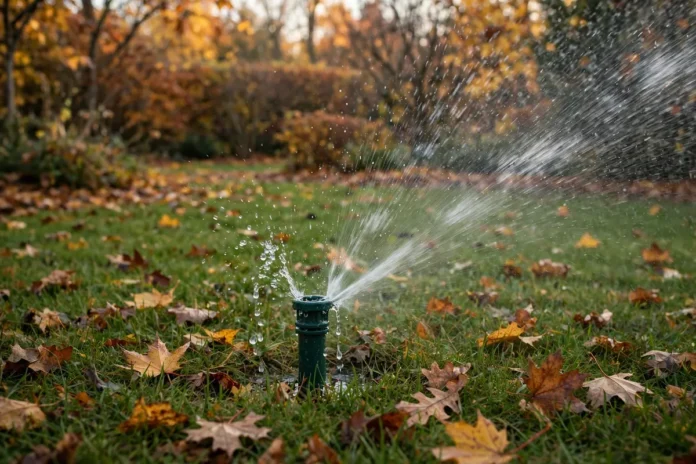
Driveway marker stakes are the cheapest insurance in winter, and they only work if they go in while the ground is still soft. Push a reflective stake along each driveway edge, at the corners of the apron, beside any path that gets cleared, and next to anything at ground level a blower or a hired plow could hit: the mailbox post, low shrubs, sprinkler heads, a low wall. Under snow, a familiar driveway becomes an unmarked field, and the stakes show where grass ends and concrete begins. Anyone clearing then works to the same lines without guessing.
The Plan: Who Clears What, and When
Gear is half the prep; the other half is a plan agreed before the first storm. Clear early and in stages during a long storm rather than once at the end — two light passes are far easier on the body and the machine than one deep one. Clear the paths people actually use first — front steps, the route to the car, the mailbox — and keep any fire hydrant on the street clear as well. Vents and meters must stay uncovered; a furnace or dryer vent buried by a drift is a safety problem, not just an inconvenience. The roof has its own separate checklist, covered in this roof winter check — and the standing rule is that nobody climbs onto a snowy roof, ever; roof snow is handled from the ground or by a professional.
For households that hire the job out, November is when to arrange it: services book up before the first storm, and the agreement should state the trigger depth, what gets cleared (driveway only, or paths and steps too), and the multi-day storm plan.
Clear Safely: The Body Is Also Gear
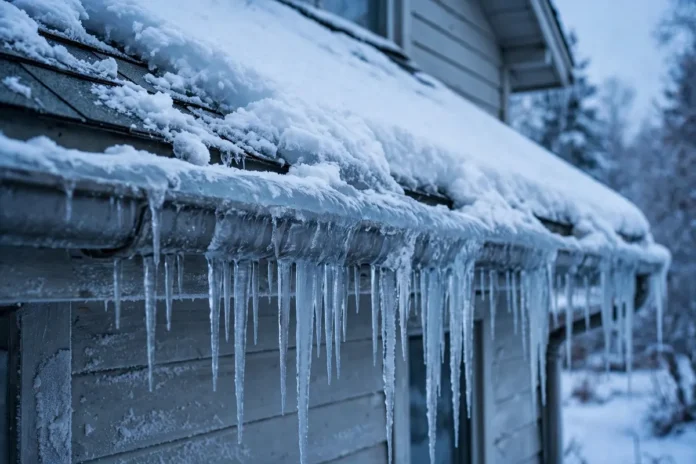
Snow clearing sends people to emergency rooms every winter — strains, falls and cardiac events — and prep includes respecting that. Dress in layers with boots that grip, take breaks before exhaustion rather than after, and switch sides so one shoulder does not take every load. When lifting is unavoidable, bend the knees, keep the load small, and throw snow forward rather than twisting to dump it sideways. Wet snow is dramatically heavier than the same volume of powder. Anyone with a heart condition or a long sedentary stretch behind them should take the conservative route — clear lightly, lean on the blower, or hire the work out — and stop immediately for chest pain, breathlessness or dizziness. Mind the ice underfoot after clearing, too. Finally, clear around parked cars — an exhaust pipe blocked by snow is a carbon monoxide hazard for anyone sitting in a running vehicle — and keep the safety habits from guides like outdoor holiday light safety in mind when decorations and cords share the same wet, icy ground. Snow left on the roof edge is a different problem, covered by this guide to prevent ice dams.
Frequently Asked Questions
When should snow removal prep happen?
On a dry, mild day before the season’s first real storm — ideally in autumn, while the ground is still soft enough for marker stakes and shops still stock parts and ice melt. Everything on the list is harder mid-storm.
Why won’t a snow blower start after sitting all summer?
Stale fuel is the most common cause: petrol degrades in storage and gums up small-engine carburettors. Fresh fuel, a checked spark plug and an oil check fix most no-starts; a machine that still refuses needs a service visit before the season.
Which ice melt is gentlest on concrete and plants?
Calcium chloride is generally the gentler option: it works at lower temperatures, so less is needed. Even so, every chloride melt damages surfaces and planting when overused — apply lightly, apply early, and sweep up residue afterwards. Sand gives grip with no chemistry.
How deep should snow get before clearing it?
Clear in stages during a storm rather than waiting for the full depth. Two passes at a few inches are easier on body and blower than one pass at ten, and a path compacted by feet or tyres becomes ice no shovel handles well.
Is shovelling snow dangerous for the heart?
It is one of the more strenuous household jobs — cold air, heavy loads and sudden effort — and health authorities caution people with heart conditions about it. Anyone in that group should clear lightly, use a blower, or hire it out, and stop at once for chest pain, unusual breathlessness or dizziness.
What should a snow service agreement include?
The trigger depth, which areas are cleared (driveway, apron, paths, steps), how multi-day storms are handled, and the price basis — per visit or per season. Get it in writing in autumn, before the first storm creates a waiting list.