A home warranty is one of the most misunderstood products in a property transaction. It is frequently confused with homeowner’s insurance, yet it works very differently from both insurance and a manufacturer’s warranty. In simple terms, it is a service contract: the homeowner pays an annual premium, and when a covered system or appliance breaks down through normal wear and tear, the warranty company arranges and pays for much of the repair or replacement. This guide explains what a home warranty covers, what it leaves out, what it costs, and the questions worth asking before paying for one.

What a Home Warranty Actually Is
A home warranty is a renewable service contract, usually sold in one-year terms: the homeowner pays a premium, and the provider agrees to repair or replace named systems and appliances that fail through ordinary wear and tear. When something breaks, the homeowner files a claim, the provider sends a contracted technician, and the homeowner pays a fixed service-call fee. The provider then decides, under the contract’s terms, whether to repair the item, replace it, or offer a cash settlement.
Two features define the product. First, it covers breakdowns from use over time — a furnace motor that wears out, a dishwasher pump that fails — rather than damage from a specific event. Second, the homeowner does not choose the contractor — the provider’s network does the work.
Home Warranty vs Homeowner’s Insurance vs Manufacturer’s Warranty
These three products are often mentioned in the same breath, but they cover different risks.
Homeowner’s insurance covers damage from sudden, accidental events — fire, storms, theft, certain water damage from a burst pipe — and liability if someone is injured on the property. Lenders require it. It does not pay when an appliance simply wears out.
A manufacturer’s warranty covers a specific product against defects in materials or workmanship for a limited period after purchase, often one or two years on major appliances and longer on some systems. It is included in the purchase price, and claims go to the manufacturer.
A home warranty sits between them: it covers the repair or replacement of existing systems and appliances when they fail through normal wear and tear, including items long past their manufacturer coverage. In a recently built home, new appliances and systems arrive with manufacturer coverage already in place, which overlaps with a warranty plan in the early years — as the guide to buying a new-build home explains.
What a Home Warranty Covers: Systems and Appliances
Plans are usually tiered. A basic “systems” plan typically covers the major built-in systems of the house:
- Heating and air conditioning
- Electrical and plumbing systems
- Water heater
- Ductwork and ceiling fans
An “appliances” plan typically covers the kitchen and laundry:
- Refrigerator, oven, range and built-in microwave
- Dishwasher and garbage disposal
- Washer and dryer (sometimes an add-on)
Combination plans cover both lists, and providers sell add-ons for items such as a pool or a second refrigerator. The contract, not the brochure, defines the list — two plans with the same name from different providers can cover different items.

What It Does Not Cover: Exclusions and Caps
The exclusions matter as much as the coverage list. Common exclusions include:
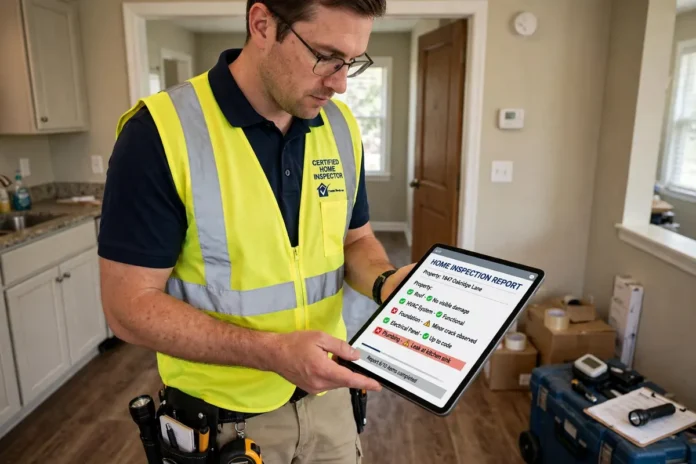
- Pre-existing conditions — faults that existed before the contract started, sometimes including ones a home inspection report would have flagged
- Improper installation or maintenance — damage traced to neglected upkeep or incorrect fitting
- Cosmetic damage — scratches, dents and finishes that do not affect function
- Items under manufacturer warranty — often excluded while the maker’s coverage still runs
- Secondary damage — for example, water damage caused by a failed appliance
Most contracts also set payout caps: a maximum per item, per claim or per term, with the homeowner paying any difference above the cap. Some contracts let the provider offer cash instead of a replacement, based on the provider’s valuation rather than retail price. Reading the cap schedule is the single most revealing step in comparing plans.
What It Costs: Premiums and Service-Call Fees
The first is the annual premium, paid up front or monthly, which varies with the plan tier, the home and the add-ons selected. The second is the service-call fee (sometimes called a trade call fee), a fixed amount paid each time a technician is dispatched. Choosing a lower premium usually means a higher service fee, and vice versa.
As a hypothetical example only: a homeowner pays a $540 annual premium with a $100 service fee. If the water heater fails and a dishwasher motor burns out in the same year, the total is $540 plus two $100 fees — $740 — with the provider covering approved repair costs above the fees, up to the contract caps. With no breakdowns, the cost is the $540 premium alone. Whether the trade is worthwhile depends on the age and condition of the home’s systems.
Seller-Paid Warranties in a Home Sale
Home warranties frequently appear in sales because the seller often pays for the first year. For sellers, a warranty can reduce the risk of a post-sale dispute if something breaks soon after closing. For buyers, it provides a defined route for repairs during the first year of ownership, when the age and habits of the home’s systems are still unknown.
Buyers should read the transferred plan rather than assume it matches the brochure: check the start date (some plans begin at closing, others after a waiting period), the named items and the caps. A warranty is not a substitute for reading the inspection report before completion. The plan normally renews at the buyer’s expense after the first year.
When a Home Warranty Is Worth It — and When It Is Not
A warranty tends to make the most sense when a home’s major systems and appliances are older but still working, when a buyer has little cash reserve after closing, or when the seller pays for the first year. It tends to make the least sense in a newly built home, where manufacturer warranties already overlap, or for owners who prefer to hold their own repair reserve.
The alternative is self-insuring: setting aside a repair fund each year instead of paying a premium. Owners with substantial home equity and savings sometimes prefer that control; owners who would struggle with a sudden large repair bill may value the contract’s predictability more.
Questions to Ask Before Buying
Before paying for any plan, get clear answers to these questions:
- Exactly which systems and appliances are named in this contract?
- What are the payout caps per item and per term, and can the provider substitute a cash payment?
- What is the service-call fee, and is it charged per visit or per item?
- What is the waiting period before coverage starts?
- Which exclusions apply — pre-existing conditions, maintenance records, installation faults?
- Can a sample contract be read in full before signing?
- What happens if the assigned contractor cannot fix the item?
Frequently Asked Questions
Is a home warranty the same as homeowner’s insurance?
No. Insurance covers damage from sudden events such as fire or storms and is usually required by a lender. A home warranty is a service contract covering repairs when named systems and appliances fail through normal wear and tear.
What does a home warranty typically cover?
Most plans cover major systems — heating, cooling, electrical, plumbing and the water heater — and, on appliance or combination plans, kitchen and laundry appliances such as the refrigerator, oven, dishwasher, washer and dryer. The contract’s list is what counts.
How much does a home warranty cost?
Costs have two parts: an annual premium that depends on the plan tier, the home and any add-ons, and a fixed service-call fee paid per technician visit. Lower premiums usually pair with higher service fees, so a written quote for the specific home is essential.
Does a home warranty cover pre-existing problems?
Usually not — faults that existed before the contract began are a standard exclusion, and providers may ask for maintenance records on early claims.
Can a seller buy a home warranty for the buyer?
Yes. Seller-paid first-year warranties are common in home sales. The buyer should still read the transferred contract for its named items, caps, waiting period and renewal cost, because it renews at the buyer’s expense after year one.
Is a home warranty worth it for a new-build home?
Often less so, because new systems and appliances already carry manufacturer warranties that overlap with the plan. It becomes more relevant as that coverage expires.
This article is general information, not financial advice.