Almost every buyer has the same moment: the inspection report arrives, it runs to dozens of pages, and the findings seem to go on forever. The instinct is to assume the house is falling down. It almost never is. Reports are written to be thorough, not reassuring, and a long list is what a careful inspection of even a good home looks like. The skill is in sorting the findings — which few genuinely matter, which are routine maintenance, and which are notes for the future.
What an Inspection Is — and What It Is Not
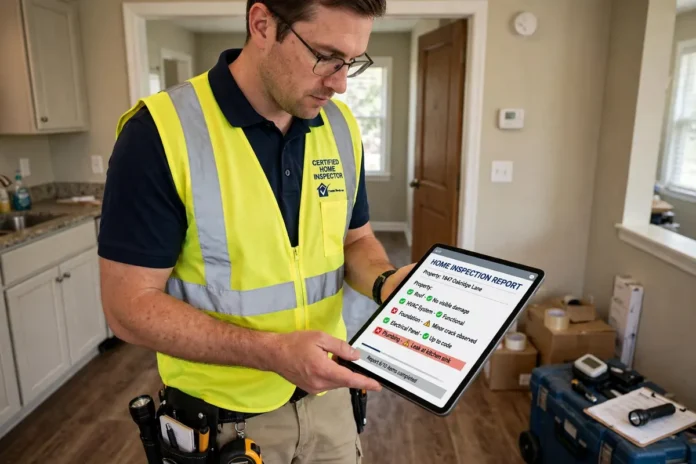
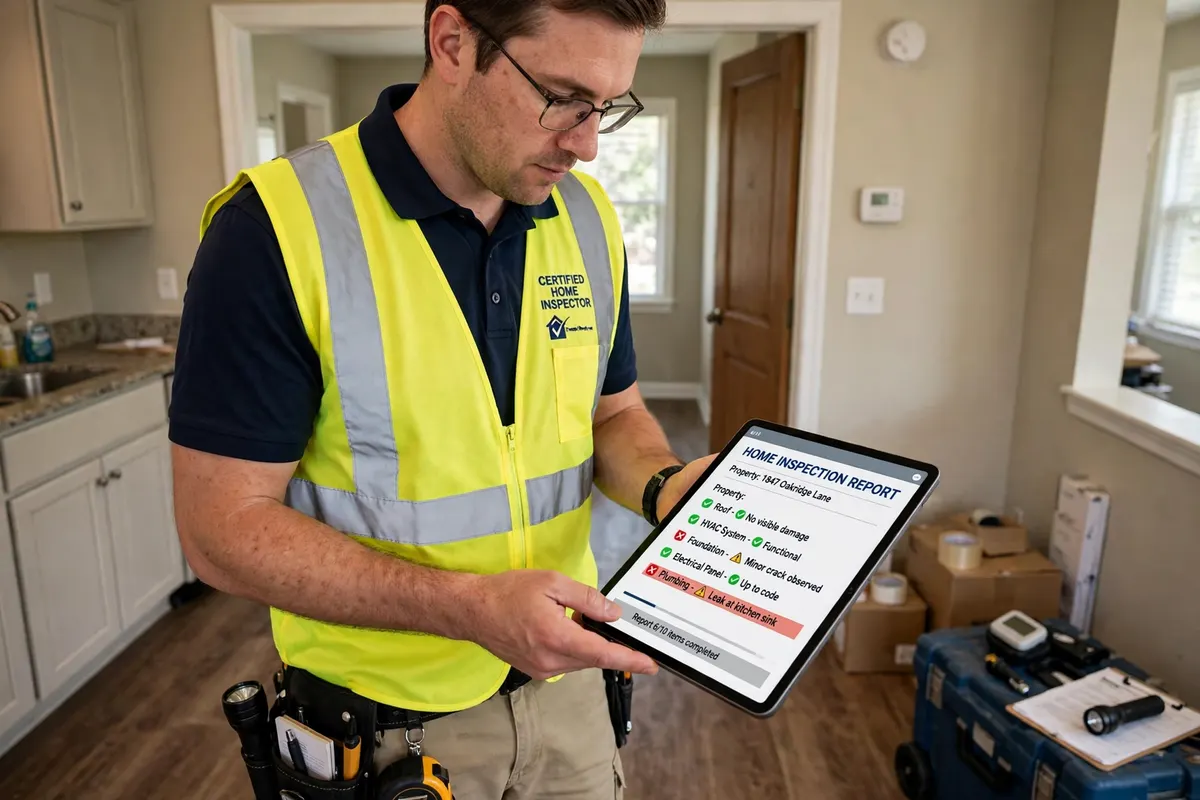
A home inspection is a visual, non-invasive assessment of a property’s condition on the day. The inspector examines what can be seen and safely reached: the roof, the structure, the electrical system, the plumbing, heating and cooling, the attic, and the finishes.
Just as important is what an inspection is not. It is not a pass or fail test — homes do not pass or fail; they are simply described. It is not a code inspection — an inspector notes safety concerns but does not enforce building regulations, and older homes are not expected to meet every current standard. And it is not a guarantee — it cannot promise nothing will break next month. It is a snapshot, and a very useful one, read as that.
How the Report Is Structured
Most reports follow a similar pattern, and recognising it makes the document far less daunting:
- A summary page listing the findings the inspector considers most significant. This is the page to read first.
- Sections organised by system — roof, exterior, structure, electrical, plumbing, heating and cooling, interior, attic — each with observations and photos.
- Photographs of the actual findings, often annotated.
- Recommendations, usually of recognisable types: safety concerns, repairs, items to monitor, and routine maintenance.
A report with fifty findings may contain three that matter financially. The summary page says which ones.
How Findings Are Usually Graded
Inspectors do not all use the same labels, but findings generally fall into four plain-language groups:
- Safety hazards — conditions that could hurt someone: electrical dangers, gas or carbon monoxide risks, missing railings on high drops. These are the top priority.
- Major defects — things broken, leaking, or at the end of their life that cost real money: a failed roof, a cracked heat exchanger, active water intrusion.
- Monitor and maintenance items — things that work but are ageing, or small jobs that prevent bigger ones: sealant to renew, a slow drain, gutters to clean.
- Cosmetic notes — scuffs, tired paint, a sticking door. Worth knowing, rarely worth negotiating over.
Reading with those four groups in mind turns a wall of text into a short priority list and a calm to-do list.
The Systems the Report Covers
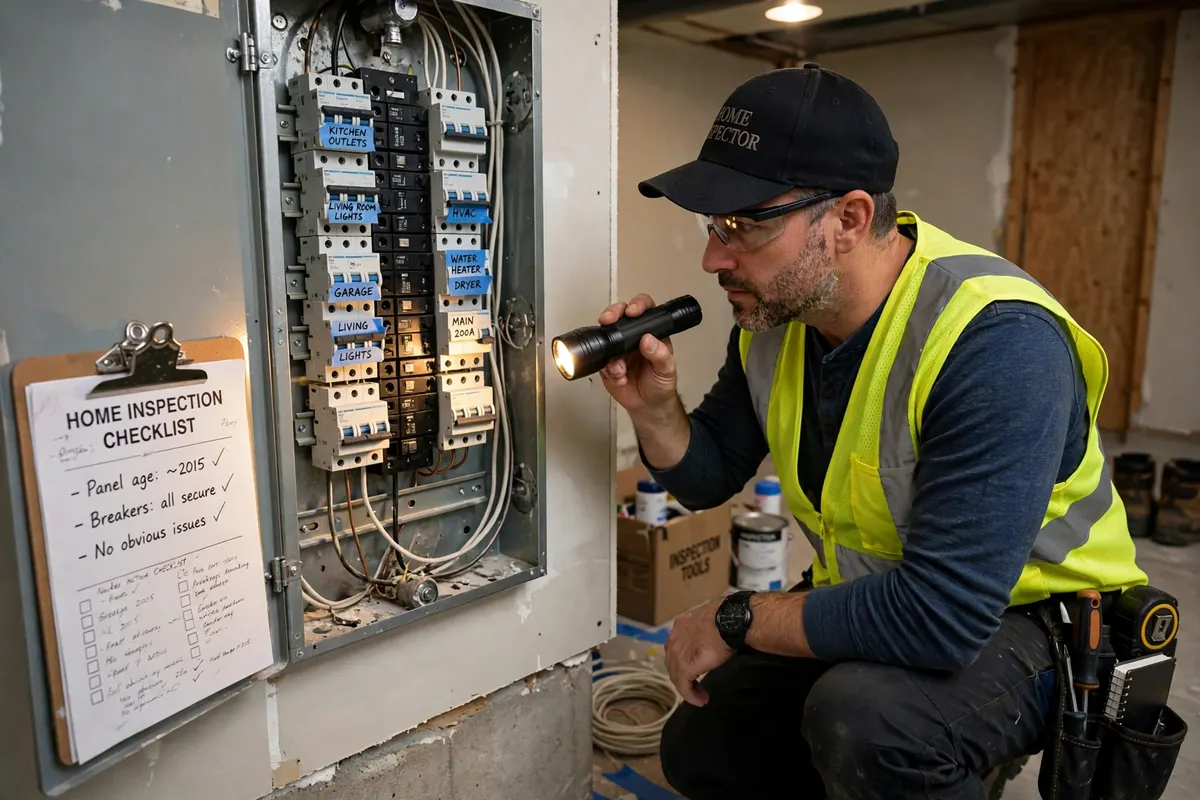
A typical inspection works through the whole house: the roof (covering, flashing, gutters, leaks), the structure and foundation (walls, floors, visible cracks and movement), the electrical system (panel, wiring, outlets, safety devices), the plumbing (supply and drainage, water heater, leaks), heating and cooling (furnace or boiler, air conditioning), the attic and insulation (ventilation, insulation, moisture), the kitchen and bathrooms (appliances, fixtures, water damage), and the exterior and drainage (walls, windows, grading, whether the ground slopes water away from the house). Newly built homes get the same treatment — the inspections in the buying a new-build home guide happen for the same reasons.
The Findings That Genuinely Matter
A short list of categories deserves serious attention in any report:
- Safety problems: exposed or hazardous wiring, double-tapped breakers, gas leaks, missing carbon monoxide detection, anything flagged as an immediate risk.
- Water intrusion: active leaks, long-standing moisture, rot, or mould from a continuing source. Water causes more expensive damage than almost anything else in a house.
- Structural movement: significant foundation cracking, sagging floors, or framing problems — findings that warrant a structural engineer’s view.
- Major systems at the end of life: a roof near failure or a furnace that no longer works — large, near-term costs.
Everything else is usually notable rather than alarming. A report whose serious section is empty is a good report, however long the rest is.
The Routine List Every Good Home Gets
Some findings appear in report after report, including for well-kept homes: missing GFCI outlets in older kitchens and bathrooms, a dripping faucet, minor grading that pushes water toward the foundation, tired caulk around a bath, a sticking window, scuffed paint, a downspout discharging too close to the wall. These are real notes, worth fixing over time — but they are maintenance, not alarming defects. Sellers rarely work through a list of them, and buyers who treat them as deal-breakers will struggle to buy any house that is not brand new. Even then, as anyone weighing should you buy a fixer-upper knows, the question is always scale, not existence.
Reading the Photos and the Inspector’s Language
Two phrases in reports cause more anxiety than they should:
- “Monitor” means the item works today but should be watched — an ageing water heater, early wear on a roof. A diary note, not a warning.
- “Further evaluation recommended” means the inspector found something beyond a visual inspection’s scope and is handing it to a specialist. Not disaster — the question needs a roofer, electrician, or engineer rather than a generalist.
The photographs deserve a slow look, because they show scale. A “crack in the foundation wall” can be a hairline shrinkage crack in a photo, or something wider — the picture, and its grading, tell the real story.
What Inspectors Cannot See
An inspection is visual and non-invasive, so some things sit outside it by design: the inside of walls, underground sewer lines (unless a separate sewer scope is booked), septic systems, wells, and anything hidden behind stored belongings or finished surfaces. Where these matter — an older home with trees near the sewer line, a rural property on septic — separate specialist inspections can be arranged. Knowing the report’s boundary prevents false comfort and false alarm.
Using the Report in Negotiation
The report’s negotiating power works best when focused. Requests built around safety hazards and major systems — roof, structure, electrics, active leaks — are the ones sellers expect and take seriously. Cosmetic requests tend to weaken the credibility of the whole list. Two common mechanisms:
- Seller repairs: the seller fixes agreed items before closing. Simple and visible, but the work’s quality is out of the buyer’s control.
- A repair credit: the price is adjusted so the buyer can have the work done after moving in by their own contractor, to their own standard — often the cleaner option for anything substantial.
Where the report recommends further evaluation, arranging that specialist visit during the inspection period is usually money well spent — a roofer’s or engineer’s written view turns a vague worry into a priced decision.
Re-Inspection and the Report as a Roadmap
If the seller agrees to repairs, a re-inspection lets the inspector confirm the work was done, and done properly, before closing — a small fee for closing the loop.
After moving in, the report should not go in a drawer. Read as a maintenance roadmap, it is a prioritised plan for the first years: the monitor items to watch, the small sealing and drainage jobs that prevent expensive future findings, and a record of every major system’s age and condition. The panic is optional; the list is one of the most useful documents a buyer receives.
Frequently Asked Questions
Is a long inspection report a sign of a bad house?
No. Inspectors are paid to record everything, and even well-kept homes produce long lists of mostly minor notes. What matters is the summary — safety hazards and major defects — not the page count.
What findings in an inspection report should worry a buyer most?
Safety hazards such as electrical dangers and gas or carbon monoxide risks, active water intrusion, structural movement, and major systems — a roof or furnace failed or near the end of its life.
Can a house fail a home inspection?
No. An inspection is not a pass-or-fail test or a code inspection. It describes the home’s condition on the day, which the buyer uses to decide how to proceed.
What does “further evaluation recommended” mean?
It means the inspector found something a general inspection cannot fully assess and suggests a specialist — a roofer, electrician or structural engineer — look at it. A referral, not a verdict.
Should a buyer ask the seller to fix everything in the report?
Usually not. Requests focused on safety and major systems are the most effective; long lists of cosmetic items weaken a buyer’s position and are normally handled after moving in.
What can a home inspector not check?
Anything hidden: the inside of walls, underground sewer lines without a separate scope, septic systems and wells. Those need specialist inspections where they are a concern.
This article is general information, not financial advice.