Buying a first home involves the largest sum of money most people have ever handled, a stack of unfamiliar paperwork and a timeline full of deadlines. A good buyer’s agent is the professional who guides that process day to day — and the difference between a good one and a poor one shows up in the price paid, the problems caught and the stress level along the way. This guide explains what a buyer’s agent actually does, where to find strong candidates, the questions worth asking, and the warning signs to walk away from.

What a Buyer’s Agent Actually Does
The job is broader than opening doors at viewings. A buyer’s agent typically:
- Helps narrow the search to homes that genuinely fit the buyer’s budget, needs and locations, rather than simply sending every new listing.
- Advises on pricing — what comparable homes have actually sold for, and whether an asking price is fair, ambitious or low for a reason.
- Negotiates the offer and counteroffers on the buyer’s behalf, including price, contingencies and timelines.
- Handles and explains the paperwork, from the offer documents to the disclosures and amendments that follow.
- Coordinates the moving parts after an offer is accepted: the inspection, the appraisal, the lender’s requirements and the closing, keeping each deadline on track.
In short, the agent is part researcher, part negotiator and part project manager for the purchase.
Where to Find Candidates
Strong candidates usually come from a few reliable sources. The best starting point is a referral from someone who bought recently in the same area — a friend, colleague or family member who can describe how the agent actually performed, not just that a sale happened. Verified online reviews are the second source; patterns across many reviews matter more than any single glowing or bitter one. The third is a local track record: an agent who regularly sells homes in the target neighbourhoods and price range already knows the stock, the typical pricing and the quirks of the local market.
Interview at Least Two or Three Agents
Choosing the first agent who answers the phone is the most common first-time mistake. Speaking to two or three candidates takes little time and makes differences in experience, communication style and local knowledge obvious. Treat it as a job interview, because it is one: the agent is being hired for a skilled, well-paid role.
The Questions to Ask
Useful questions are specific ones with checkable answers:
- How many buyers did you help buy a home last year? Recent, active experience matters more than years licensed.
- Do you know this neighbourhood and this price range? An agent who works the area can spot overpricing and knows how fast homes there move.
- How will we communicate, and how quickly will you respond? In a fast-moving search, a day of silence can cost a home; agree expectations upfront.
- Who covers for you when you are away? Purchases do not pause for holidays; there should be a named backup.
- Can you explain the buying process and costs to me from start to finish? The clarity of the answer is itself a test.
Local Knowledge Beats Big-Name Branding
A famous brokerage name or a large advertising presence says little about the individual agent’s knowledge of a particular neighbourhood. Pricing a home correctly, knowing which streets flood or which blocks are changing, and understanding how local sellers and their agents behave are skills built street by street. For a buyer, the agent who sold three homes nearby last quarter is usually worth more than the agent whose face is on a billboard across town.
Commission and the Written Agreement
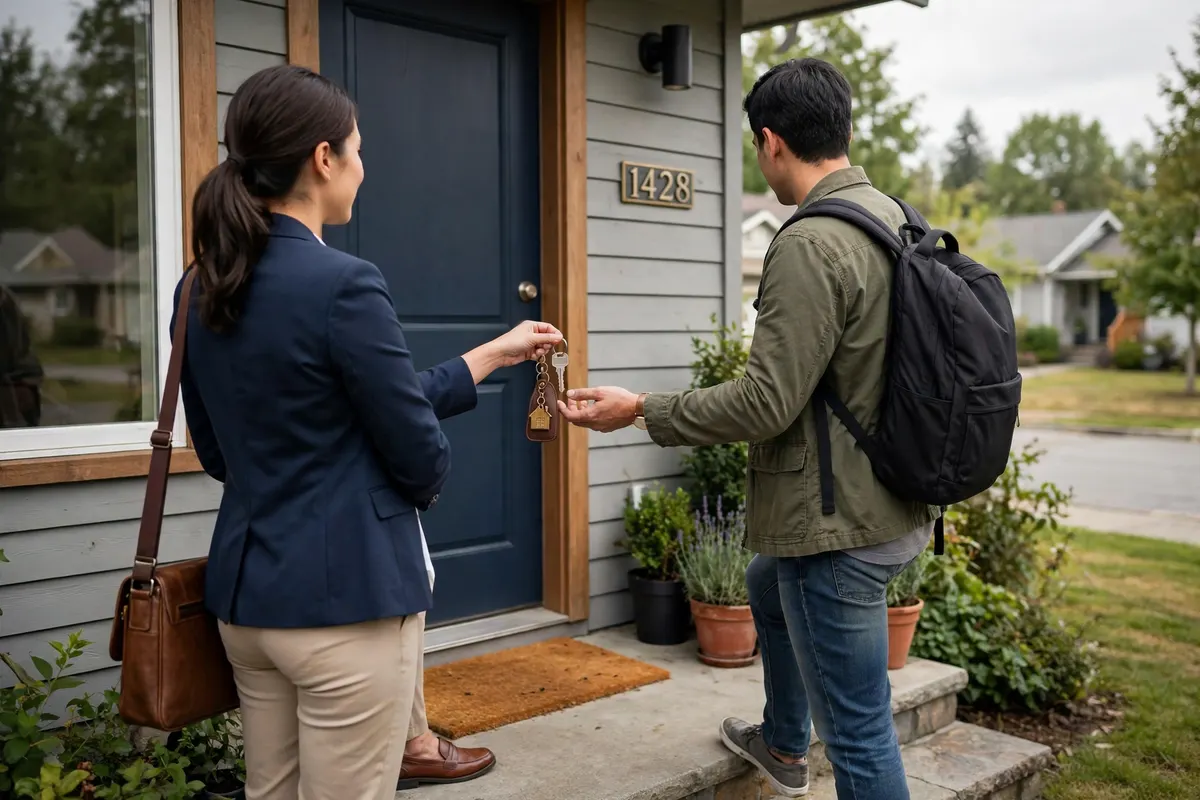
How agents are paid changed in the United States in 2024. Following industry practice changes that took effect that year, buyers typically sign a written agreement with their agent before touring homes, and that agreement sets out how the agent will be compensated. Commissions are negotiable — they always have been, and the 2024 changes made the conversation more explicit. Who ultimately pays the buyer’s agent, and how much, is part of the overall offer negotiation with the seller rather than a fixed rule. A good agent explains all of this plainly, in writing, before asking for a signature.
The Buyer Representation Agreement
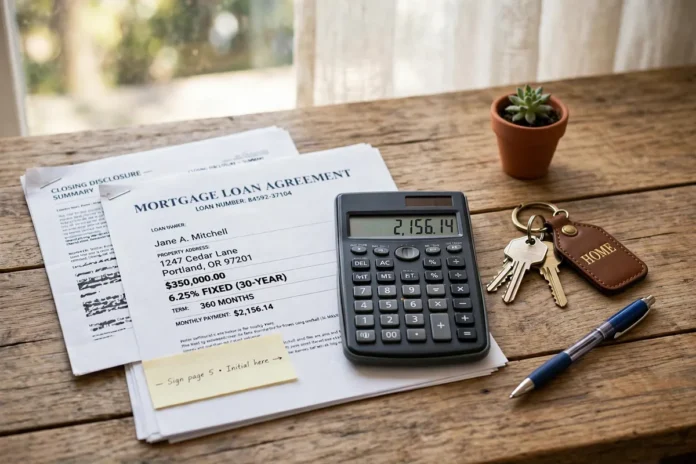
That written agreement — usually called a buyer representation agreement — covers three things: the services the agent will provide, the compensation the agent will receive and how it is paid, and the term of the agreement, meaning how long it lasts and how it can be ended. It protects both sides by putting expectations on paper. Buyers should read it before signing, check the term is reasonable, and ask about anything unclear — an agent who welcomes those questions is demonstrating exactly the transparency the agreement exists for.
Red Flags to Walk Away From
Certain behaviours during the search for an agent predict problems later:
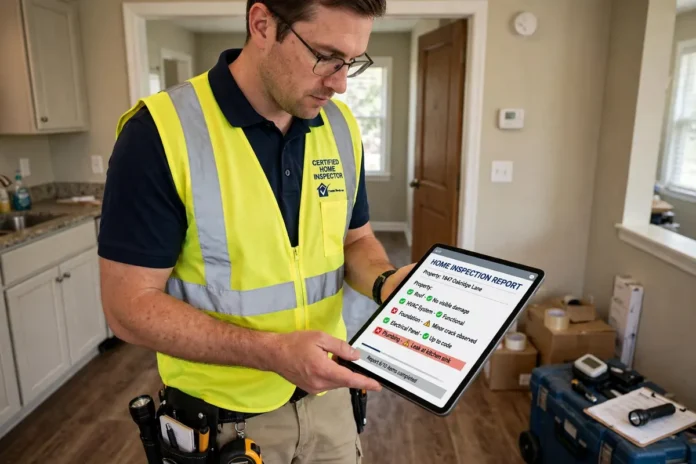
- Pressure to skip the inspection. An inspection protects the buyer; any agent who treats it as an obstacle is working against the buyer’s interest. What an inspection involves, and how its findings should be read, is covered in the guide to how to read a home inspection report.
- Reluctance to put terms in writing. Agreements, offers and promises should exist on paper; vagueness benefits the agent, not the buyer.
- No recent sales. An agent who has not closed purchases lately may be out of practice with current contracts and market pace.
- Poor communication during the interview itself. Slow replies and fuzzy answers while trying to win the business rarely improve after signing.
How the Agent Works With the Rest of the Team
A purchase runs on a small team, and the agent sits at its centre. Most buyers arrange their financing groundwork early — the steps are set out in the guide to how to get pre-approved for a mortgage — and a good agent works directly with that lender, making sure the pre-approval matches the homes being viewed and that loan deadlines align with the contract. The same coordination applies to the inspector, the appraiser and the closing attorney or title company. When interviewing, it is worth asking how the agent keeps everyone informed; a clear answer signals an organised practice, and an organised practice is what carries a purchase to a calm closing.
Frequently Asked Questions
How many agents should a first-time buyer interview?
Two or three is a practical number. It is enough to compare experience, communication style and local knowledge without turning the selection itself into a project.
What does a buyer’s agent do that a buyer cannot do alone?
Beyond finding homes, the agent advises on pricing from comparable sales, negotiates the offer, manages the paperwork and coordinates the inspection, appraisal, lender requirements and closing deadlines.
Do buyers have to sign an agreement with their agent?
In the United States, since the 2024 practice changes, buyers typically sign a written buyer representation agreement before touring homes. It sets out services, compensation and the agreement’s term, and it should be read carefully before signing.
Are real estate commissions negotiable?
Yes. Commissions are negotiable, and the written agreement is where the buyer’s agent’s compensation is spelled out. How it is ultimately covered forms part of the wider negotiation with the seller.
What are the biggest red flags when choosing an agent?
Pressure to skip the home inspection, reluctance to put terms in writing, no recent sales, and poor communication during the interview stage itself.
Does the size of the brokerage matter?
Less than the individual agent’s local knowledge and recent track record. An agent active in the target neighbourhoods usually serves a buyer better than a big brand name without that local experience.
This article is general information, not financial advice.