House hunting without a pre-approval is a bit like shopping without knowing what is in the bank account. Sellers know it too, which is why offers backed by a pre-approval letter are routinely taken more seriously than offers without one. Pre-approval is not a guarantee of a loan, and it is not the final step — but it is the step that turns a hopeful buyer into a credible one. This guide walks through what pre-approval actually is, what a lender will ask for, how the amount is worked out, and what can quietly undo it before closing.
Pre-Qualification and Pre-Approval Are Not the Same Thing
The two terms sound alike and are often used interchangeably, but they carry very different weight. Pre-qualification is the lighter of the two. A lender or an online calculator takes a buyer’s word for the basics — income, debts, rough credit standing — and gives an informal estimate of what might be borrowable. Nothing is verified, no documents are checked, and the estimate can change the moment real figures are examined.
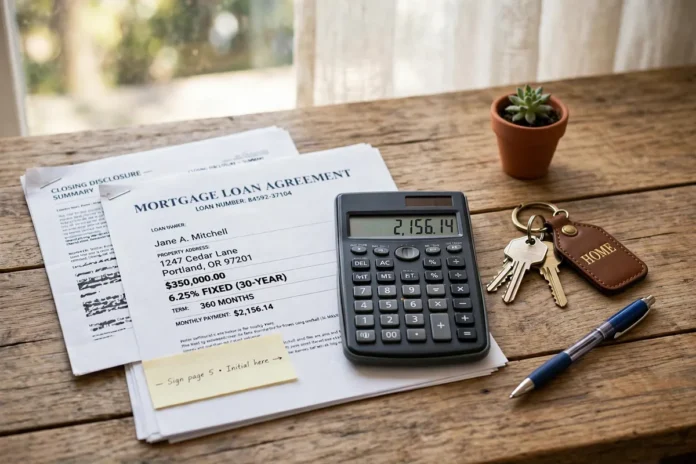
Pre-approval is the verified version. The lender examines actual documents, checks credit properly, and runs the numbers through its underwriting standards. The result is a letter stating that the lender is prepared to lend a specific amount, subject to conditions — usually a satisfactory appraisal of the property eventually chosen, and no major change in the buyer’s finances in the meantime. That letter is what estate agents and sellers ask to see.
Why Sellers Take Pre-Approval Seriously
From a seller’s side, the biggest risk in accepting an offer is the sale falling through weeks later because the buyer’s financing collapses. A pre-approval letter reduces that risk in a way a buyer’s assurance cannot, because a third party — the lender — has already checked the buyer’s income, debts, and credit and put an amount in writing.
In a competitive situation with several offers, that credibility matters. An offer with pre-approval tells the seller the buyer can move quickly and is less likely to withdraw. It does not mean paying more than a home is worth, and it does not replace a survey or an appraisal — but it gets the offer read properly in the first place.
Step 1: Gather the Documents Lenders Typically Ask For
Lenders vary, but the paperwork for pre-approval is broadly consistent. Having it ready before applying speeds everything up:
- Identification — a government-issued photo ID, and sometimes proof of address.
- Proof of income — recent pay stubs, usually covering the last month or two, plus an employment letter or details of the employer. Self-employed applicants are typically asked for more, often two years of business records.
- Tax returns — commonly the last two years, used to confirm that income is steady rather than a one-off good year.
- Bank statements — usually the last two or three months, showing the down payment funds and reserves, and where large deposits came from.
- A list of debts — credit cards, car loans, student loans, and any other regular payments, since these feed directly into the affordability calculation.
- Other assets and obligations — savings, investments, and sometimes documentation for things like child support or rental income.
Step 2: The Credit Check, Explained Plainly
As part of pre-approval, the lender pulls a full credit report — this is a “hard inquiry,” meaning it is recorded on the credit file and can cause a small, temporary dip in the credit score. That is normal and expected; it is the same check any serious loan application involves. It differs from the “soft” checks used by comparison sites or by individuals checking their own score, which leave no mark.
What the lender is looking at is the pattern: whether bills are paid on time, how much of the available credit is in use, and whether there are missed payments, defaults, or collections. A single hard inquiry is a minor event. Several applications for different kinds of credit in a short window can look riskier, which is one reason to handle pre-approval before shopping for a car or opening new store cards.
Step 3: How the Lender Works Out the Amount
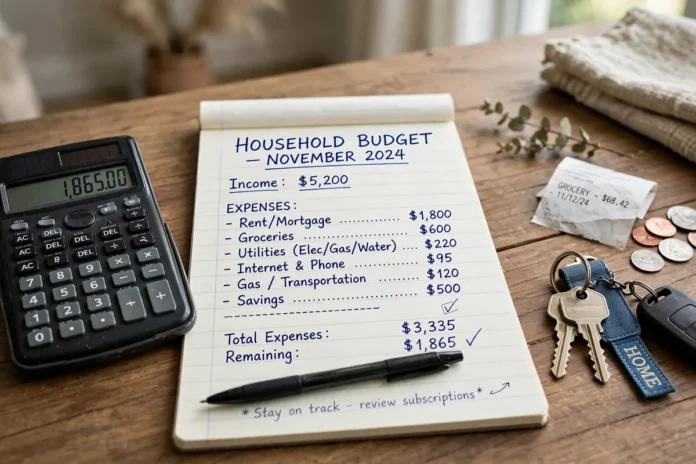
The pre-approval figure is not plucked from the air. The lender looks at income, existing debts, and the relationship between the two — often expressed as a debt-to-income ratio, which compares total monthly debt payments against gross monthly income. The proposed housing cost, including the mortgage payment, property taxes, and insurance, is tested against that picture.
The result is a maximum the lender is comfortable with, which is not the same as a comfortable amount to spend. Buyers are usually better served by deciding their own ceiling first — the guide to how much house can you afford works through that calculation in detail. As a simple hypothetical example: a buyer earning a steady salary with modest monthly debts might be pre-approved for more than they wish to spend once taxes, insurance, and running costs are counted — and the pre-approval amount does not oblige anyone to use all of it.

Step 4: How Long a Pre-Approval Letter Lasts
A pre-approval letter is not open-ended. It often lasts around 60 to 90 days, though the exact period varies by lender. The reason is simple: the documents behind it — pay stubs, bank statements, credit reports — go stale, and the lender wants current evidence before final approval.
If the letter expires before a home is found, it can usually be renewed by supplying updated documents. Buyers starting a long search should ask the lender about the expiry date up front and diarise it, rather than discovering an expired letter on the day an offer needs to go in.
What Can Derail a Pre-Approval
Pre-approval is conditional, and the conditions mostly concern change. The most common ways buyers undo their own approval between letter and closing:
- Taking on new debt — a car loan, a new credit card, or furniture bought on credit changes the debt-to-income picture and can reduce or void the approval.
- Changing jobs — leaving employment, going self-employed, or switching to a lower or less stable income mid-process invites the lender to start again.
- Large unexplained deposits — money appearing in an account without a clear paper trail has to be documented; a gift toward the down payment usually needs a letter from the giver.
- Missing payments — a late payment on any bill during the process can damage the credit picture the approval was based on.
- Co-signing for someone else — the other person’s debt can count against the buyer’s ratio.
The safest course between pre-approval and closing is financial stillness: same job, same accounts, no new credit, and any unavoidable change discussed with the lender before it happens, not after.
Step-by-Step Checklist
- Decide a personal budget ceiling, separate from any lender figure.
- Gather ID, pay stubs, tax returns, bank statements, and a full list of debts.
- Check personal credit reports for errors and correct them before applying.
- Choose a lender and submit the pre-approval application.
- Consent to the hard credit inquiry and answer any follow-up document requests promptly.
- Receive the pre-approval letter; note its amount and expiry date.
- House-hunt within budget, and include the letter when making an offer.
- Keep finances steady — no new debt, no job change, no unexplained deposits — until closing.
One related decision is the size of the down payment itself, which affects both the loan amount and the monthly payment; the guide to buying a house with a low down payment sets out the trade-offs. Handled in the right order — budget first, documents ready, finances steady — pre-approval is a straightforward process that puts a buyer in the strongest position a seller can ask for, short of cash.
Frequently Asked Questions
What is the difference between pre-qualification and pre-approval?
Pre-qualification is an informal estimate based on figures the buyer provides, with nothing verified. Pre-approval involves the lender checking documents and credit, and produces a letter stating an amount the lender is prepared to lend, subject to conditions.
Does getting pre-approved hurt a credit score?
The lender’s hard inquiry can cause a small, temporary dip in a credit score. It is a normal part of any serious loan application and is generally minor compared with the benefit of having a verified approval when making an offer.
How long does pre-approval take?
It depends on the lender and how quickly documents are supplied. With paperwork ready, the process is often a matter of days rather than weeks, though complex income — such as self-employment — can take longer to verify.
How long is a pre-approval letter valid?
Often around 60 to 90 days, varying by lender. After that, the letter can usually be renewed with updated pay stubs, bank statements, and a fresh credit check.
Can a pre-approval be denied after it is issued?
Yes. It is conditional. New debt, a job change, missed payments, or large unexplained deposits can all lead a lender to reduce the amount or withdraw approval before closing. Keeping finances unchanged is the safest approach.
Does pre-approval guarantee a mortgage?
No. Final approval still depends on conditions such as the appraisal of the chosen property and the buyer’s financial position staying materially the same. Pre-approval is a strong, verified indication — stronger than pre-qualification — but not a final loan commitment.
This article is general information, not financial advice.