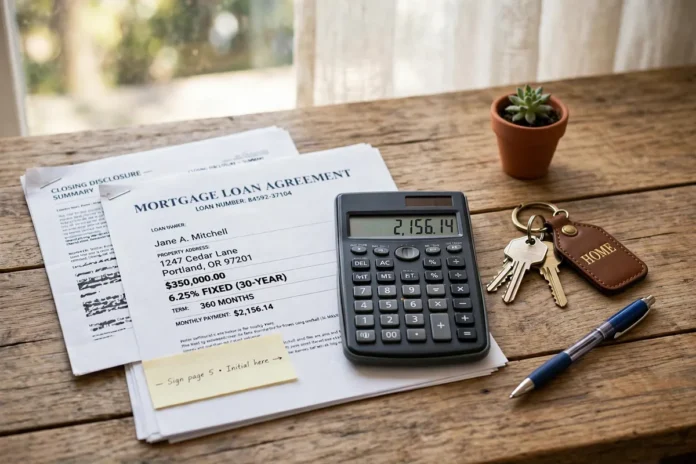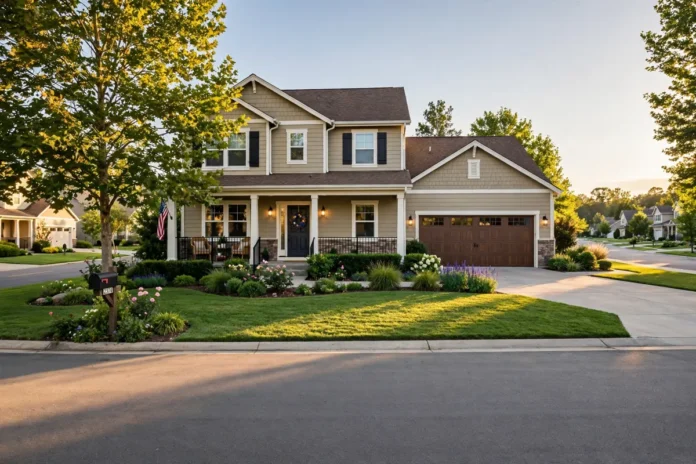
Almost every homeowner asks the same question at some point: how much is my house worth? Maybe you are thinking about selling, refinancing, or simply curious after watching a neighbor’s home sell in a weekend. The honest answer is that no single tool gives you one perfect number. A home’s value is a range, and the method you use to estimate it decides how wide — and how trustworthy — that range is.
This guide walks through seven practical ways to estimate your home’s value, from free two-minute checks to a full professional appraisal. Used together, they will get you within a few percentage points of what a real buyer would likely pay. The dollar figures mentioned are general examples to explain the process, not a valuation of your property.
1. Start With an Online Home Value Estimator
Automated valuation tools on the big property portals are the fastest starting point. You type in your address and get an instant estimate built from public records, tax data, and recent sales nearby. Treat that number as a rough compass heading, not a destination. These tools cannot see that you remodeled the kitchen last spring or that your street is quieter than the one two blocks over, and their estimates commonly land 5–10% above or below the eventual sale price — sometimes more for unusual homes.
Use two or three different estimators and look at the spread between them. If all three cluster in a similar range, you have a reasonable first ballpark. If one is wildly higher, it is usually working from outdated or mismatched data.
2. Compare Recently Sold Homes Near You (Comps)
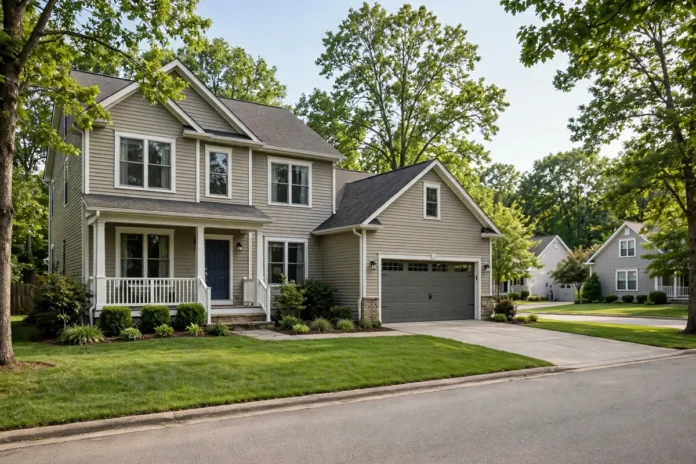
Comparable sales — “comps” — are the backbone of every serious valuation. The idea is simple: your home is worth roughly what similar homes nearby actually sold for recently. Look for sales from the last three to six months, within about a mile, and match on the basics:
- Size: within roughly 20% of your home’s square footage
- Bedrooms and bathrooms: the same count, or adjust for differences
- Age and condition: a renovated 1990s home is not a true comp for an untouched one
- Lot and location: corner lots, busy roads, and school districts all move prices
Then make small adjustments. If a comp has one more bathroom, it might be worth a few thousand dollars more; if it lacks your finished basement, adjust the other way. This is exactly the exercise appraisers do, and even a careful amateur version will usually beat an algorithm’s guess. Remember that listing prices are wishes — only sold prices count as evidence.
3. Calculate Price Per Square Foot
A quick cross-check is the price-per-square-foot method. Divide the sale prices of comparable homes by their living area to get a local rate — say, $210 per square foot in a typical suburb, though it varies enormously by region — then multiply by your home’s square footage. It is a blunt instrument: it treats a renovated kitchen and a dated one as identical, and it ignores lot size entirely. Still, if your other estimates say $420,000 and the per-square-foot math says $310,000, something in your assumptions needs a second look.
4. Ask a Local Agent for a Comparative Market Analysis
Most real estate agents will prepare a comparative market analysis (CMA) for free, hoping to earn your business if you sell. A good CMA goes deeper than a homeowner can: agents see interior photos of comps, know which sales involved concessions or rushed sellers, and can judge how your home honestly stacks up. Ask the agent to show you the three to five comps behind the number rather than accepting a single figure — the reasoning matters more than the result. There is no obligation to list with them, and getting a second CMA from another agent is a fair way to test the range.
5. Order a Professional Appraisal
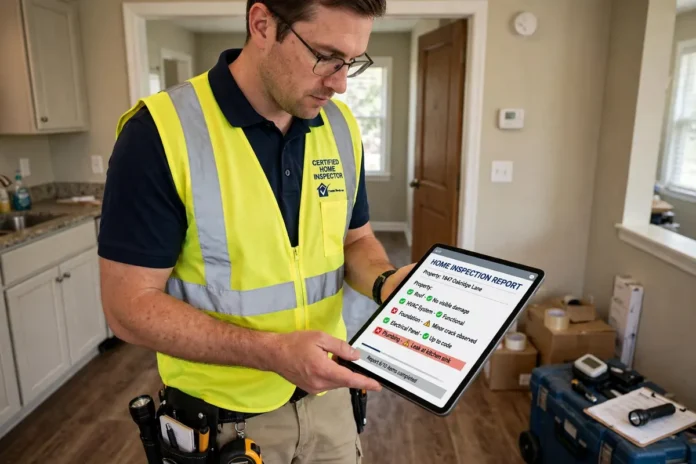
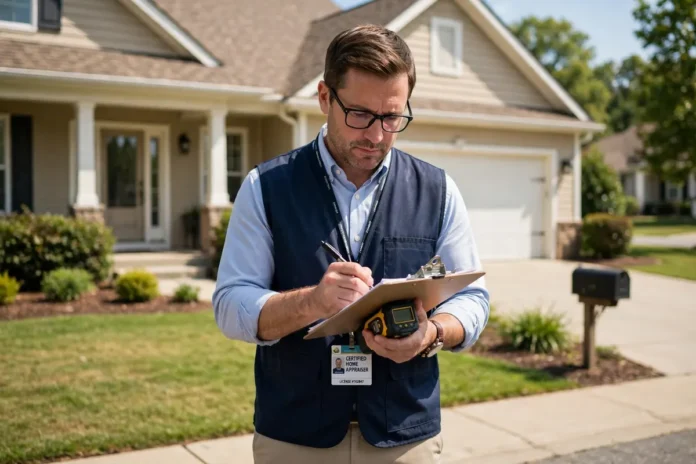
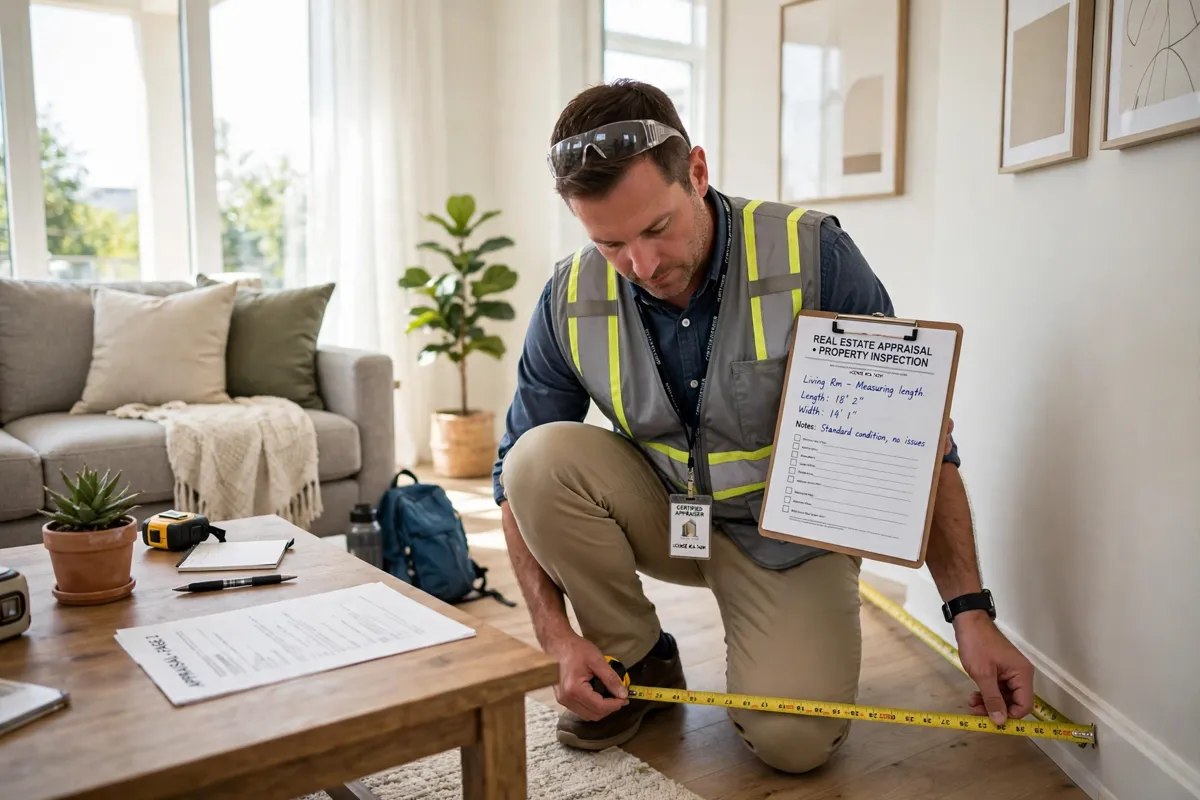
When the number really matters — for a refinance, a divorce settlement, an estate, or pricing a home you are definitely selling — a licensed appraiser is the gold standard. An appraisal typically costs a few hundred dollars (often in the $300–$600 range as a general example) and involves an in-person inspection, measurements, photographs, and a formal report built on adjusted comparable sales. Lenders rely on appraisals because they are independent and documented. If you are selling, an appraisal also protects you from the classic trap of overpricing, sitting on the market, and eventually accepting less than you would have with a realistic starting price.
6. Factor In What Buyers Actually Pay For
Two identical floor plans can sell for very different prices because value lives in the details. When you estimate, honestly account for the things buyers reward and punish:
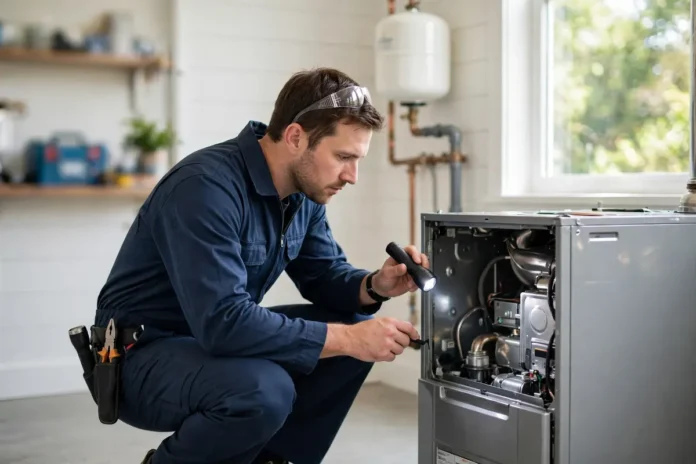
- Condition: a roof near the end of its life or an aging furnace can shave real money off offers
- Updates: modern kitchens and bathrooms support higher prices — our guide to upgrades that add value to a home when selling breaks down which projects buyers reward most
- Layout: open living space and a workable home-office corner are worth more than they were a decade ago
- Outdoor space: a usable yard, deck, or patio photographs well and appraises well
- Location quirks: backing onto a highway hurts; a quiet cul-de-sac helps
Pricing psychology matters too. The famous Breaking Bad house in Albuquerque shows both extremes: listed at nearly $4 million on the strength of its TV fame, it drew little interest, then relisted far lower and sparked a bidding war that carried it well above the new asking price. Asking price is a strategy, not a fact — the market always has the final vote.
7. Check Your Tax Assessment — Then Adjust It
Your property tax assessment is freely available from your county, and it is worth a look, but handle it carefully. Assessments are mass-produced for tax purposes, updated on a cycle that can lag the market by years, and in many areas they are deliberately set at a fraction of market value. If your home is assessed at $350,000 and your locality assesses at roughly 85% of market value, the implied market value is around $410,000 — a useful sanity check, nothing more. Also remember that assessments matter beyond curiosity: taxes are one of the hidden costs of buying a house that catch new owners off guard every year.
FAQ
How accurate are online home value estimates?
They are a useful starting point but commonly miss the final sale price by 5–10% or more, because they cannot see your home’s condition or updates. Always cross-check with real comparable sales.
How much does a professional appraisal cost?
As a general example, most single-family appraisals fall in the $300–$600 range, depending on your area and the home’s complexity. Your lender will usually order it during a refinance or purchase.
Do renovations increase my home’s value dollar for dollar?
Rarely. Most projects return a portion of their cost at resale — often somewhere between 50% and 85% for popular midrange updates, as a general example. Condition and location usually matter more than any single project.
How often should I check my home’s value?
Once or twice a year is plenty for general awareness. Check more carefully when you plan to sell, refinance, drop private mortgage insurance, or challenge your tax assessment.
The bottom line: start with the free tools, verify with real comparable sales, and bring in an agent or appraiser when a decision depends on the number. A home’s value is not a mystery to solve once — it is a range to narrow until you are confident enough to act on it.