A new-build home promises a lot: no previous owners, modern layouts, energy-efficient construction and the chance to choose finishes before moving in. It also works differently from buying an existing home at almost every step — the pricing, the contract, the timeline and even the person sitting across the table. Buyers who arrive with a resale mindset often discover the differences late. This guide walks through what changes, and the questions worth asking before signing. A useful starting point is knowing the budget ceiling first — the guide to how much house you can afford covers that groundwork.
The Model Home Is Not the Base Price
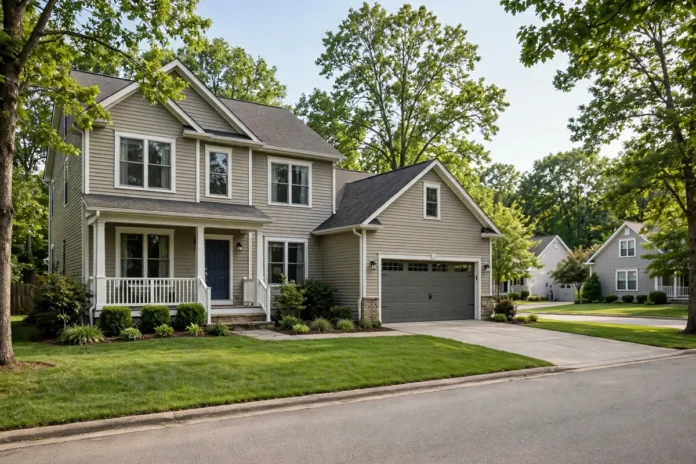
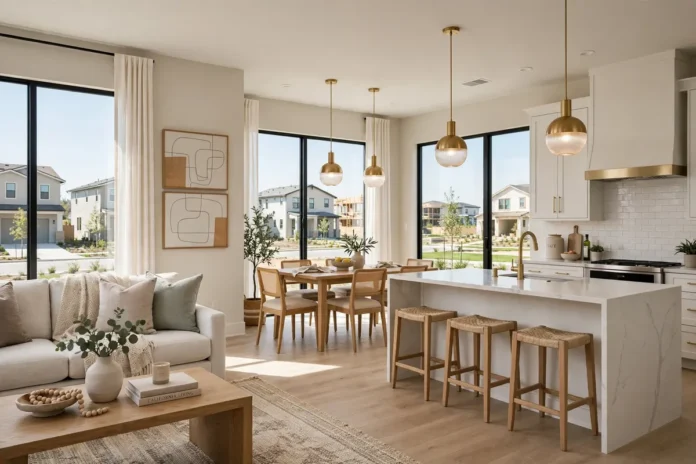
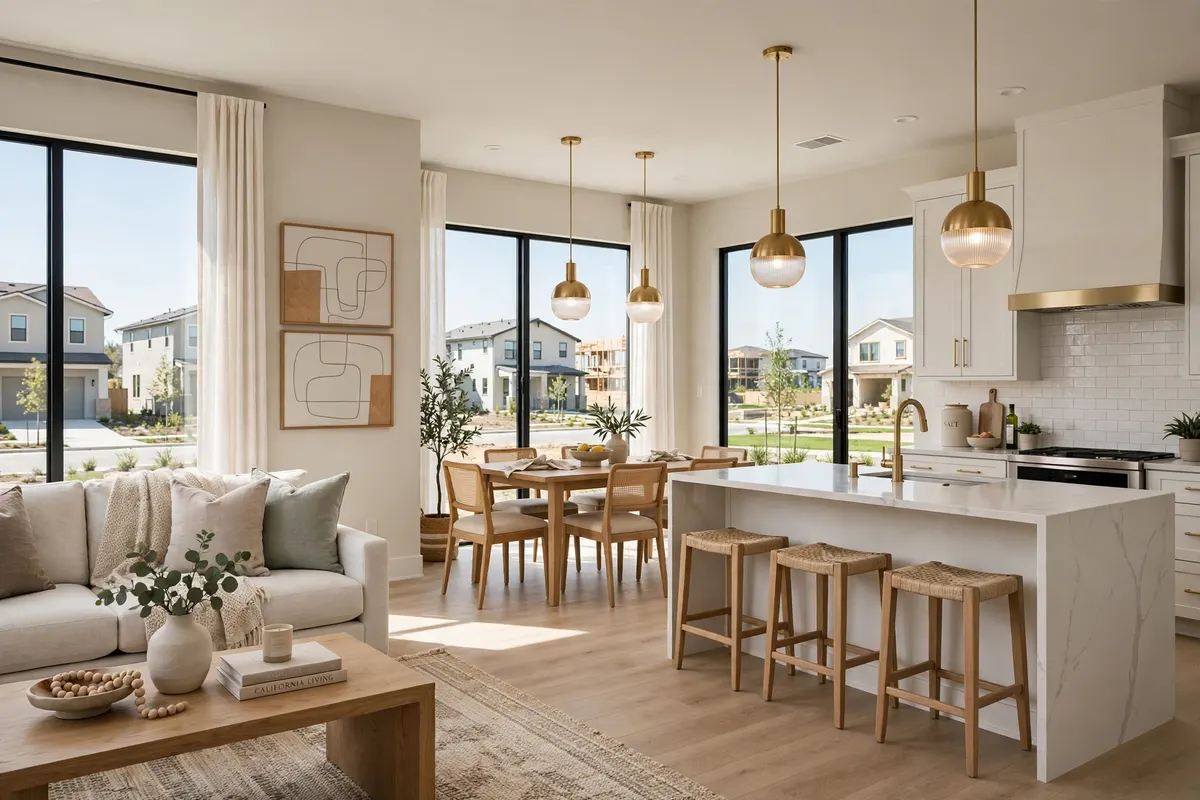
The show home is the builder’s best advertisement, and it is dressed accordingly. Upgraded flooring, premium worktops, fitted wardrobes, landscaped gardens and designer lighting are all commonly on display — and many of them are not included in the advertised base price. The headline figure usually buys the standard specification, which can look noticeably plainer than the version on tour.
The practical step is to ask, room by room, what in the model home is standard and what is an upgrade, and to request the standard specification list in writing. The gap between the toured home and the base home is where most new-build budgets quietly break, so settle it before any emotional commitment to a plot.
Upgrades: Cheaper During Construction or Later?
Some upgrades are far easier and cheaper to add while the home is being built. Anything structural or hidden — extra power sockets, additional lighting circuits, upgraded insulation, plumbing for an extra bathroom, floor heating — costs much more to retrofit once walls are closed and floors are laid. If the budget forces choices, spend during construction on what cannot easily be changed later.
Other items are often cheaper, or at least competitively priced, after moving in: freestanding appliances, window treatments, shelving, and many decorative finishes can be sourced independently. A clearly hypothetical example makes the point: adding a socket-and-lighting package during construction avoids paying an electrician later to open finished walls and make good — the disruption, not just the parts, is what the construction-stage price avoids. Get upgrade prices in writing, with decision deadlines, because builders lock choices at set build stages; a late change may be refused or carry a fee.

Builder Contracts and Timelines
A builder’s contract is not a standard resale contract, and it is written by the builder. Key areas to read carefully include what specification is actually promised, what happens if the design or materials change, the completion mechanism, and the remedies if the home is late or defects appear. Builders commonly reserve the right to substitute materials of similar quality and to vary dimensions slightly. Independent legal review before signing is widely recommended for exactly this reason: the contract is one-sided by design.
Timelines deserve equal scepticism, because construction depends on weather, labour, materials and inspections. Delays are common. Contracts often work with estimated completion windows and long-stop dates rather than fixed move-in days. Buyers should avoid locking moving dates, school starts or a lease end too tightly against an estimated completion date, and ask what notice the builder must give as completion approaches.
Deposits and Earnest Money
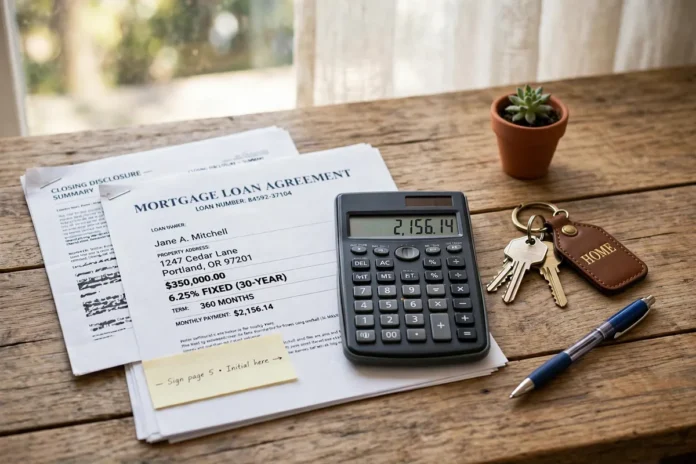
Money paid upfront also differs from resale. In a resale purchase, earnest money is typically held in escrow and its return conditions are spelled out in a standard contract. With new construction, deposits may be staged — a reservation or deposit amount at contract, further sums at construction milestones — and the refund conditions follow the builder’s contract, which can be stricter. Buyers should know exactly how much is due at each stage, who holds the money, and under what circumstances any of it is refundable before paying the first amount.
Inspections Still Matter
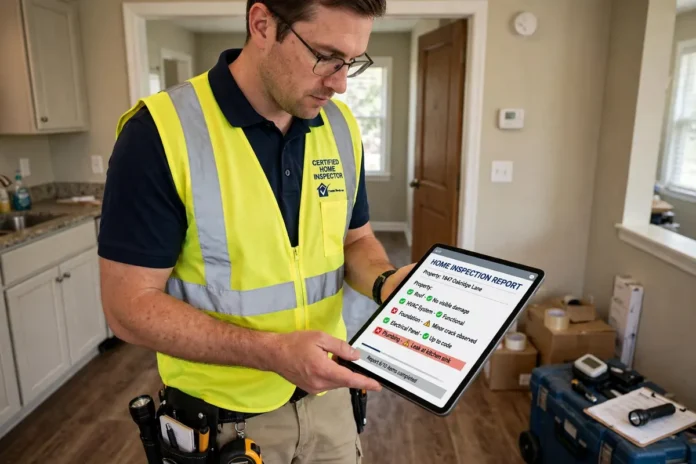
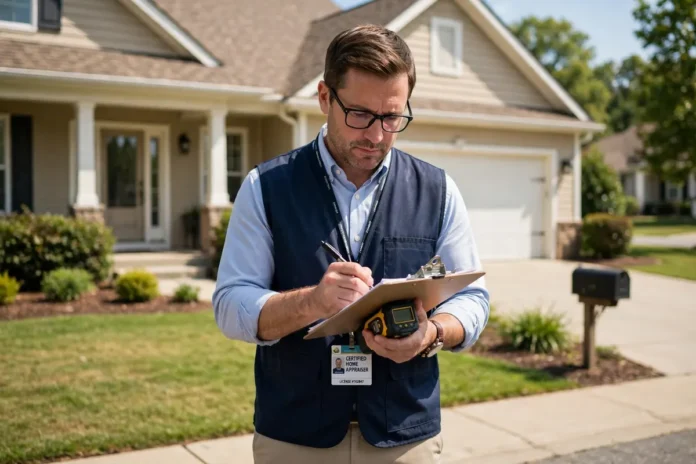
A brand-new home is not automatically a flawless home, and independent inspections are just as relevant as with resale, because defects are easier to fix before surfaces are finished. Two stages stand out. A pre-drywall inspection, carried out while framing, wiring and plumbing are still visible, can catch issues that will be hidden for the life of the home. A final inspection before closing checks finishes, systems and completion against the specification. Builders vary in how they handle third-party inspections, so access should be confirmed in writing at contract stage rather than assumed. After moving in, most builders run a walkthrough process for cosmetic defects; noting issues promptly and in writing protects the buyer’s position.
Builder Warranties, in Plain Language
New-build homes typically come with a builder warranty, and many are backed by a third-party warranty programme. Coverage usually works in tiers: shorter coverage for workmanship and materials; medium-term coverage for major systems such as plumbing, electrical and heating; and the longest coverage for major structural elements. Exactly what is covered, for how long, and through whom varies by builder and programme, so the warranty document itself — not the brochure summary — is what counts. Buyers should check who provides the warranty, what happens if the builder ceases trading, how claims are made, and what maintenance obligations on the homeowner keep the coverage valid.
HOA Fees and New-Development Assessments
New developments frequently come with a homeowners association, and in a partially built community the fees can be deceptively low at first: early budgets may be calculated before all amenities are open or while the developer still subsidises costs. Buyers should ask for the current budget, what the fees cover, how they are expected to change as the development completes, and whether any special assessments are planned for roads, lighting or shared facilities. The full picture sits alongside the other ownership costs outlined in the guide to the hidden costs of buying a house.
The Closing Timeline
Closing on a new build often happens in two pulses: a long wait while construction finishes, then a short, intense completion window once the builder declares the home ready. Mortgage rate locks and approvals obtained early may expire before a delayed completion, and extensions can cost money. Buyers selling an existing home at the same time should plan for a gap in either direction and avoid assuming the two transactions will land on the same day.
Questions to Ask the Builder’s Sales Agent
The most important fact about the sales office is the simplest: the sales agent works for and represents the builder, not the buyer. Their job is to sell the builder’s homes on the builder’s terms; their advice is not independent, however helpful they are. Many buyers therefore involve their own agent or legal adviser — where a buyer’s agent is used, registration on the first visit can be required, so clarify that before touring. Useful questions, whoever asks them:
- What exactly is included in the base price, and can that specification be provided in writing?
- Which items in the model home are upgrades, and what is the full upgrade price list?
- What deposit is due, at which stages, and when is it refundable?
- What is the estimated completion window, and what happens if the builder overruns it?
- Are independent pre-drywall and final inspections permitted?
- Who provides the warranty, what does it cover, and for how long?
- What are the current HOA fees, and are special assessments expected?
Frequently Asked Questions
Is the price of a new-build home negotiable?
Sometimes, but builders often prefer to hold the headline price and negotiate on upgrades, closing-cost contributions or included options instead. What is available varies by market conditions and how much of the development remains unsold — always worth asking.
How long does it take to build a new home?
It varies widely with the size of the home, the stage at which it was bought and construction conditions. Delays are common, which is why contracts usually give estimated windows rather than fixed dates. Keep plans flexible around the estimate.
Should a new-build home be inspected if it is brand new?
Yes. A pre-drywall inspection can catch framing, wiring or plumbing issues before they are covered up, and a final inspection checks the finished home against the specification.
What does a builder warranty usually cover?
Typically, shorter coverage for workmanship and finishes, medium-term coverage for major systems, and longer coverage for structural elements. The exact terms vary, so the warranty document itself should be read before signing, not just the summary.
Is the builder’s sales agent acting for the buyer?
No. The sales agent represents the builder. Buyers who want independent advice commonly involve their own agent or lawyer, and should clarify any registration rules before the first visit to the sales office.
What extra costs come with a new development?
Beyond the purchase price, buyers may face upgrade costs, HOA fees that can rise as the development completes, and possible special assessments for shared infrastructure. Asking for the HOA budget and planned assessments in writing helps avoid surprises.
This article is general information, not financial advice.