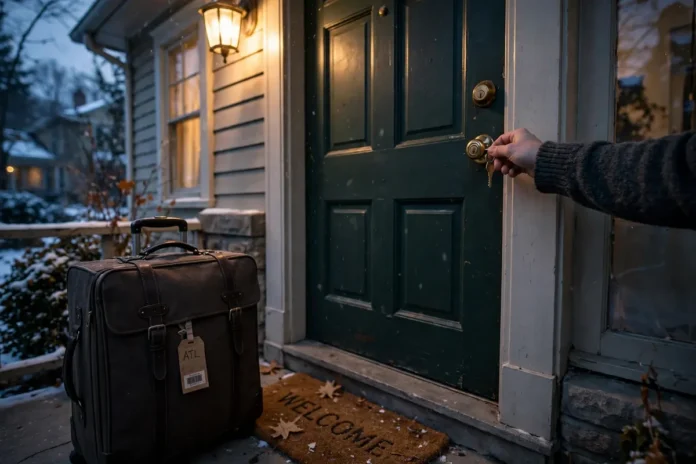
An empty house is at its most vulnerable during the holidays, when trips are longest and the signs of absence are easiest to spot: a dark home every evening, parcels stacking up on the porch, a driveway that never changes. Most of the risk, though, is not only about burglary. A slow leak, a burst pipe or a tripped heating system can do more damage in a week away than any intruder. This checklist works through the preparation in the order it matters — appearance, access, water, heat and backup — so the house is looked after even when nobody is in it. It is the mirror image of getting a home ready for visitors; the hosting side is covered in the guide to prepare your home for holiday guests.
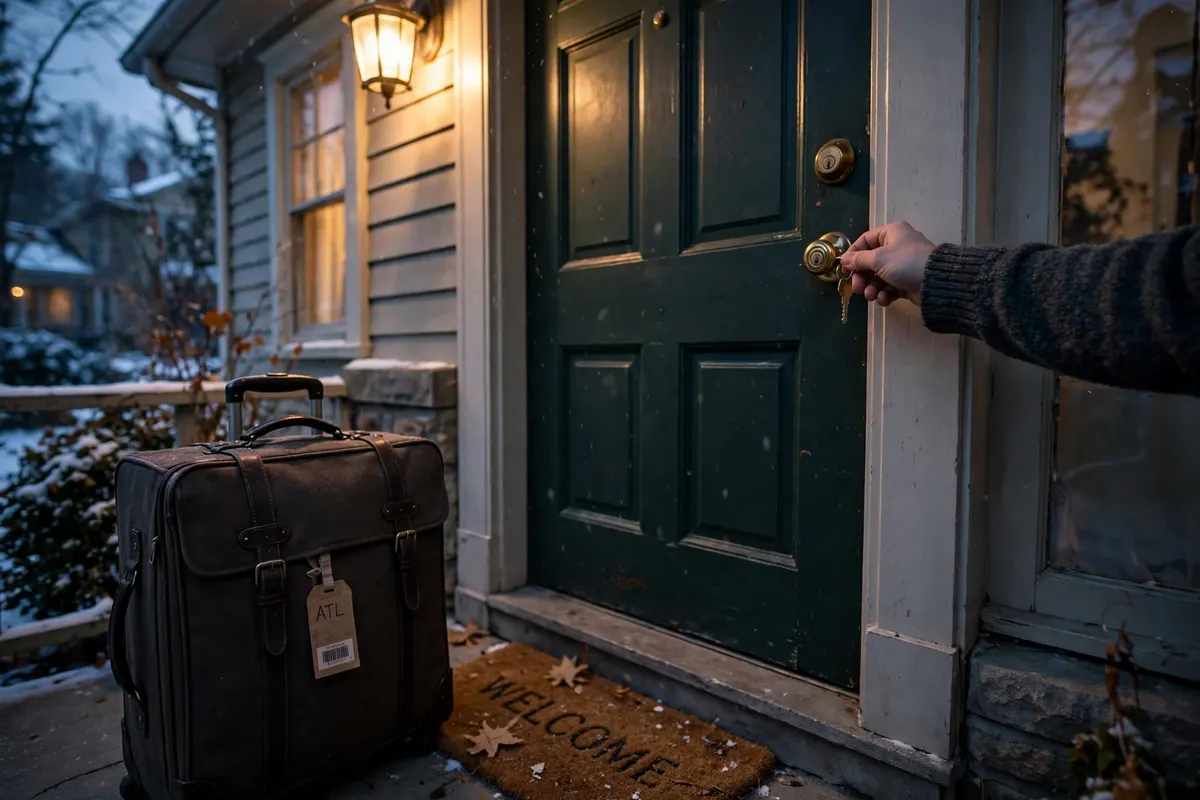
Locking up and leaving a house empty for the holidays — a few hours of preparation protects it while nobody is home. (Illustrative image)
Make It Look Lived-In
A house that follows its normal rhythm attracts no attention. Light timers are the simplest tool: set lamps in two or three rooms to come on at varied times in the evening rather than one fixed switch-on, because a single light appearing at exactly 6 p.m. every night reads as a timer, not a household. Smart plugs do the same job and can be varied from a phone while away. Curtains and blinds are best left in their usual positions, part-open where they normally are, rather than shut tight for a week — closed blinds in daylight are themselves a signal.
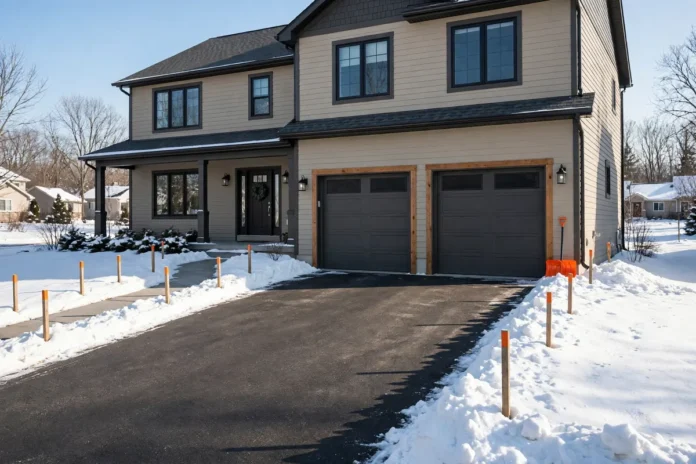
Outside, the aim is an unchanged picture. A car left on the driveway helps; if the car is going too, asking a neighbour to park there occasionally works just as well. Deliveries are the biggest giveaway, so pause them where possible: USPS Hold Mail can stop the post for the trip, and parcel orders are better delayed or redirected to a collection point than left on the porch. Keep the porch and doorstep clear, and if snow is likely, arrange for the path to be cleared — an untouched snowy driveway announces an empty house to the whole street.

A lamp on a varied timer schedule keeps a quiet house looking lived-in after dark. (Illustrative image)
Keep the Trip Off Social Media
Holiday photos are part of the fun, but posting them in real time tells anyone watching that the house is empty and for roughly how long. The safer habit is simple: enjoy the trip, post the pictures after returning home. The same applies to countdown posts and check-ins. Nothing about this needs paranoia — just a delay.
Locks, Windows and the Garage
Work around the house once, testing every lock rather than assuming. All doors and windows should be locked, including upstairs windows and any reachable from a flat roof or extension. The garage deserves special attention: lock the door between the garage and the house, and either use the garage door’s manual lock or disconnect the automatic opener, since an opener can be triggered or the door forced more easily than most people expect. Spare keys hidden under mats, stones or plant pots should come indoors for the trip — those hiding places are the first ones checked.
Water: The Quiet Risk
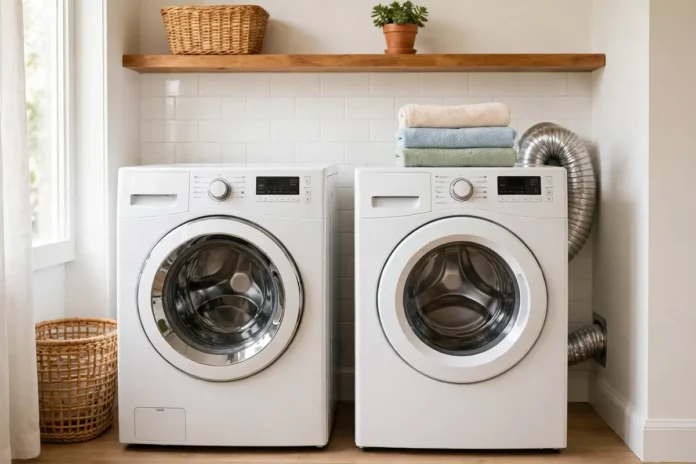
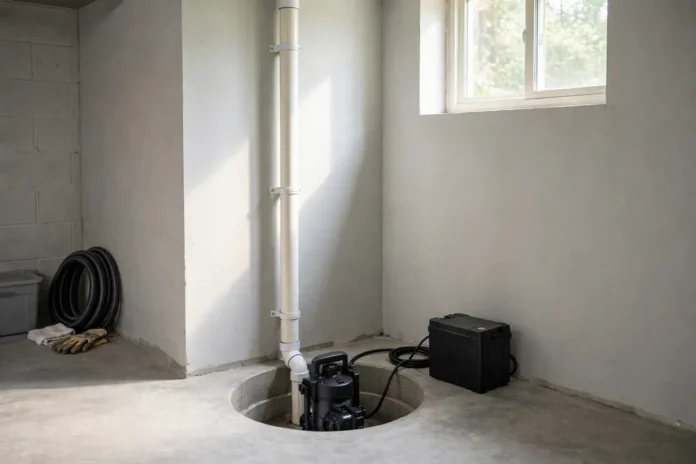
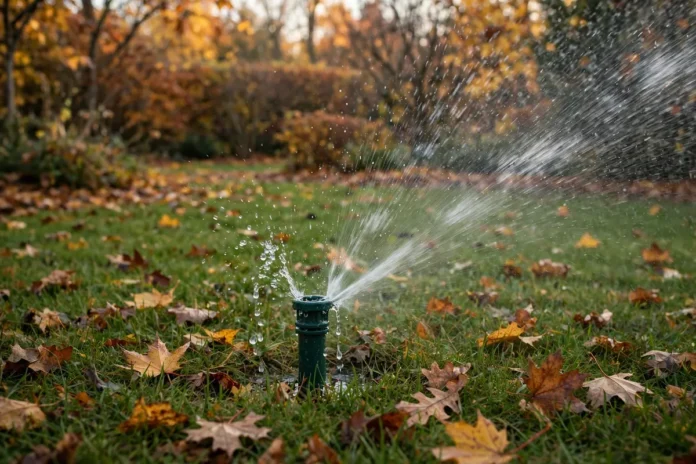
Water damage is the most common disaster in empty homes, and the prevention is quick. The strongest step is shutting off the main water supply at the stopcock before leaving; with no water in the pipes under pressure, a failed joint can only drip what is already in the system. At minimum, turn off the supply valves to washing machines and dishwashers, whose hoses are a frequent failure point. Check under sinks and around the water heater for any sign of an existing leak before the trip, set the water heater to its vacation or low setting if it has one, and in cold weather leave taps able to drain if the system is shut down for a long absence.
Heating: Protect the Pipes
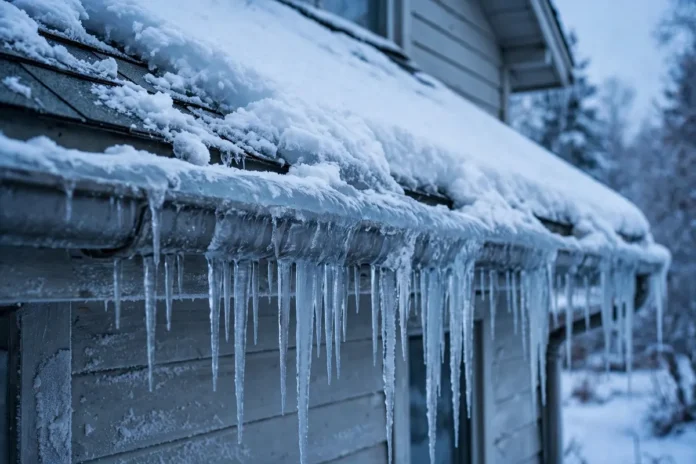
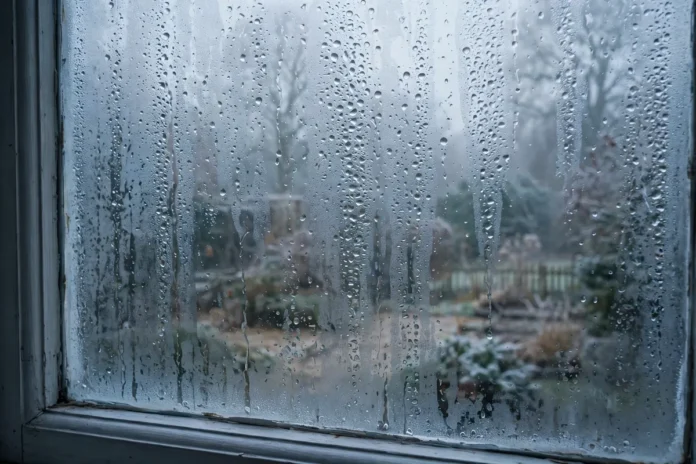
Turning the heat off entirely to save money is a false economy in a cold climate. Keep the thermostat set to around 55°F (13°C) or higher for the whole trip: that background warmth is what keeps pipes in external walls and unheated corners from freezing. For pipes in kitchen and bathroom cabinets on outside walls, leaving the cabinet doors open lets warm room air circulate around them. These steps pair with the broader cold-snap preparation in the winter storm home prep checklist.
Electricity and Fire Safety
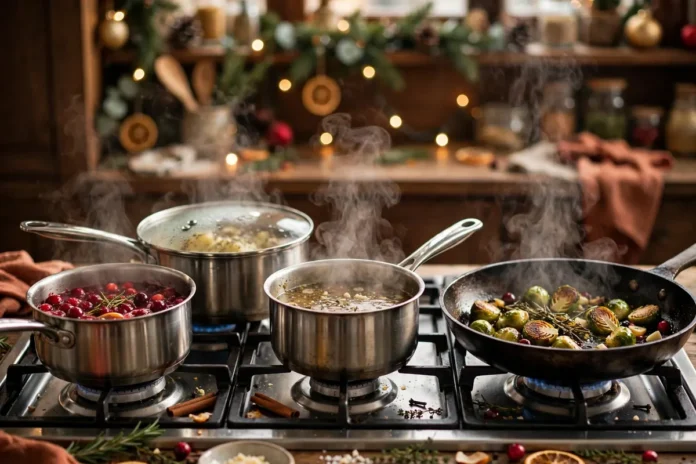
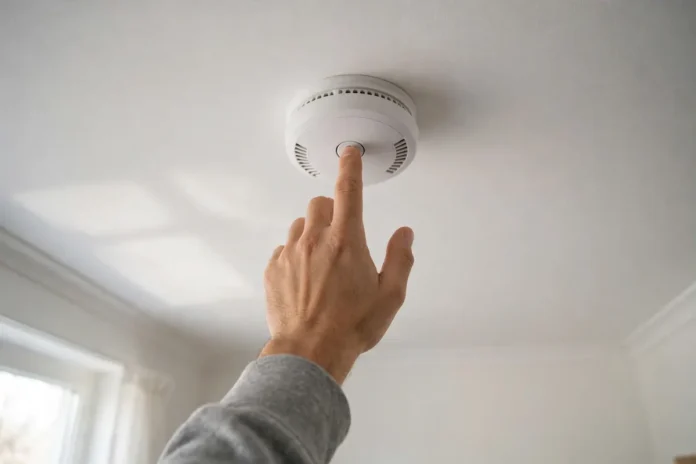
Unplug non-essential appliances — televisions, chargers, kettles, decorative lights — which removes both a small fire risk and wasted standby power. Anything left plugged in deliberately, such as the fridge, should have clear space around it. Check the oven and hob are off, confirm no candles are lit anywhere, and test the smoke and carbon monoxide alarms before leaving; an alarm nobody hears is still the device most likely to alert a neighbour or a monitoring service.
Alarms, Cameras and Monitoring
If the house has an alarm, arm it on the way out and tell the monitoring company the dates of the trip and who holds a key. For cameras, check batteries or power, confirm the storage or subscription is active, and make sure the app alerts reach a phone that will actually be looked at. Giving a trusted neighbour view-only access, where the system allows it, means someone local can check a live feed if an alert comes in at an awkward hour.
Leave a Key With Someone Trusted
One reliable person nearby is worth more than every gadget on this list. Leave a key and a phone number with a neighbour or friend, and ask for three things: a walk-through every few days, bins brought in after collection, and a quick look at the porch for anything unexpected. Plants get watered as a side benefit. Tell them where the stopcock and fuse box are — if anything does go wrong, the first minutes matter.
Pets, Plants and the Small Things
Pet arrangements should be settled well before departure, whether that is a sitter, boarding, or a neighbour feeding a cat — and the house instructions (alarm code, stopcock, vet number) written down in one place for whoever comes in. Empty the fridge of anything that will spoil, take the rubbish out last thing, and run the dishwasher so nothing sits dirty for a week.
Insurance and a Photo Inventory
Before a long trip, a quick photo or video walk-through of each room creates a dated inventory of valuables and furnishings, stored somewhere accessible away from the house. It also pays to check the home insurance policy’s conditions for empty properties: some policies limit cover or add conditions once a home is unoccupied for an extended period, often measured in weeks, so for a long absence the policy wording — or a call to the insurer — is worth checking rather than assuming cover is unchanged.
The Final Walkthrough Before Leaving
On the day itself, one slow circuit of the house catches everything: windows and doors locked, water and heat set, timers running, alarms about to arm, keys with the neighbour, porch clear, fridge emptied, bags by the door. Five unhurried minutes at this point are the cheapest protection on the whole list.
Frequently Asked Questions
Should the main water be shut off when leaving a house empty?
For trips of more than a few days, yes — it is the single most effective protection against water damage, since a burst pipe or failed hose then has no pressurised supply behind it. At minimum, close the valves to the washing machine and dishwasher.
What temperature should an empty house be kept at in winter?
Around 55°F (13°C) or higher. That level protects pipes in cold areas of the house while using far less energy than normal heating. Turning the heat off completely risks frozen and burst pipes, which cost far more than the saved heating.
How can an empty house be made to look occupied?
Light timers on varied schedules in more than one room, curtains left in their normal positions, mail and deliveries paused or redirected, the porch kept clear, and a car on the driveway — the homeowner’s own or a neighbour’s parked there occasionally.
Is it a good idea to post holiday photos while away?
It is safer to post after returning. Real-time posts and check-ins show that the house is empty in a way that is hard to control once shared, however careful the privacy settings.
Should a neighbour be given a key?
Yes — one trusted person with a key, a phone number, and knowledge of the stopcock and fuse box can catch small problems before they become large ones. Asking for a walk-through every few days, plus bins and porch checks, covers most situations.
Does home insurance still cover a house left empty?
Usually, but many policies add conditions or limits after a property has been unoccupied for an extended period. The period varies by policy, so checking the wording before a long trip — rather than assuming — is the safe approach.