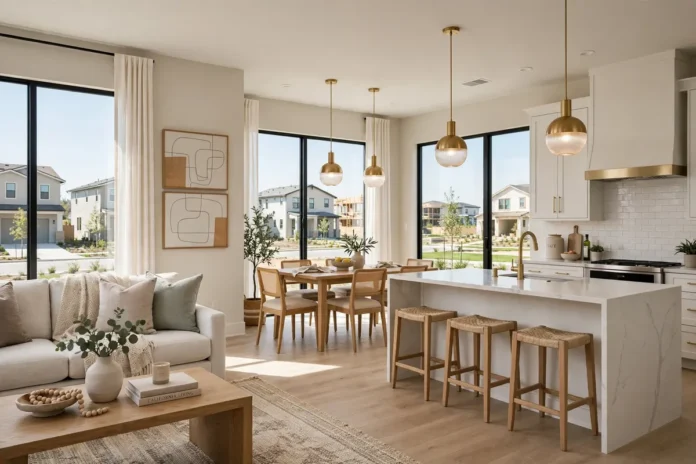
Fixer-uppers are tempting. A house with good bones in a great location, priced below its neighbours, promising a home shaped exactly to your taste and, if all goes well, worth considerably more when the work is done. Television makes it look fast and profitable. Real life is slower, messier, and more expensive than the shows suggest, and plenty of buyers who expected a bargain have ended up with a money pit instead.
This guide gives you the honest pros and cons of buying a fixer-upper, how to estimate the work realistically, what the inspection must cover, and when to walk away. This is general education, not financial advice, and renovation costs vary widely by location, property condition, and the scope of work, so treat any figures here as illustrative thinking tools rather than quotes.

1. The Honest Pros
The biggest advantage of a fixer-upper is price. Homes that need work typically sell for less than comparable renovated homes, which can put you into a neighbourhood or school district that would otherwise be out of reach. If the discount is larger than the cost of the work, you build equity as you renovate, ending up with a home worth more than you have spent on it in total.
Control is the second advantage. Renovating lets you choose the layout, finishes, and fixtures rather than living with someone else’s taste or paying to redo a recent renovation you never liked. You can prioritise what matters to you, whether that is a better kitchen, an extra bathroom, or energy-efficient systems, and phase the work over time as money allows. For buyers who enjoy projects and have skills, time, or trusted tradespeople, a fixer-upper can also be genuinely satisfying: the house becomes yours in a way a turnkey home rarely does.
There can be less competition, too. Many buyers want move-in-ready homes, so a property that needs work may attract fewer offers, giving you more room to negotiate on price and terms. Our guide to how to negotiate a home price covers the tactics that matter most when you are bidding on a home that needs work.
2. The Honest Cons
The main disadvantage is cost uncertainty. Renovation estimates are guesses until walls are opened, and older homes routinely hide problems: outdated wiring, old plumbing, damp, poor insulation, or structural issues that only appear mid-project. A kitchen refresh can reveal a subfloor that needs replacing; a bathroom update can reveal a leak that has damaged framing for years. Each surprise adds cost and time.
Time is the second cost. Renovations disrupt daily life, especially if you live in the house while work goes on. Dust, noise, missing kitchens or bathrooms, and tradespeople in your home for weeks or months wear patience thin. Projects also run late for reasons outside your control, from material delays to permit waits to contractor scheduling, and a project planned for two months can easily take four.
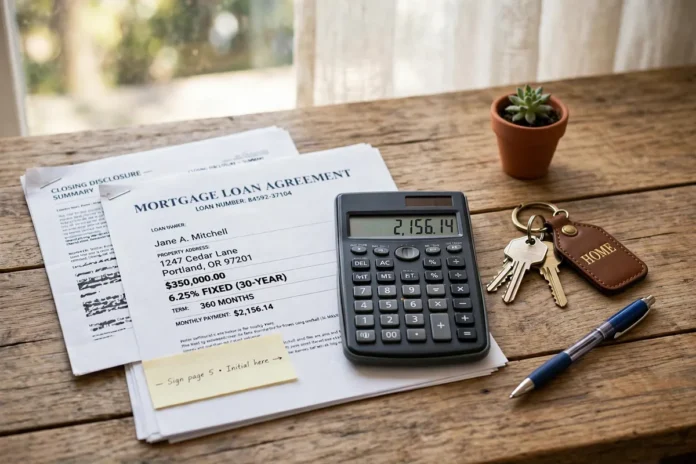
Financing adds another layer. Some lenders are cautious about homes in poor condition, and renovation loans have their own rules, inspections, and paperwork. If the home is uninhabitable, standard mortgages may not apply at all, and insurance can be harder or more expensive to arrange. Finally, not all renovations add value. Over-improving for the neighbourhood, choosing highly personal finishes, or spending heavily on features buyers do not value can leave you with a nicer home that is still hard to sell for what you spent.
3. How to Estimate the Renovation Scope Realistically
Before offering, separate the work into three buckets: cosmetic, functional, and structural. Cosmetic work, painting, flooring, fixtures, and fittings, is the most predictable in cost and the easiest to phase. Functional work, replacing a roof, a heating system, or old wiring, costs more and usually cannot wait. Structural work, foundations, load-bearing walls, major damp or subsidence, is the most expensive and the most uncertain, and it should make you pause hardest.
Get real numbers before you commit. Ask contractors for written estimates for the major items, not ballpark guesses over the phone, and get more than one quote for anything significant. Price materials yourself for the cosmetic work so you understand where the money goes. Then add a contingency on top of the total: experienced renovators commonly allow a generous percentage extra for surprises, and for older homes that percentage should be larger, not smaller. If the numbers only work with zero contingency and everything going perfectly, the deal does not work.
Also think about which improvements genuinely add value. Our guide to upgrades that actually add value explains where renovation money tends to pay back and where it does not. Kitchens and bathrooms usually matter most, but the best return often comes from fixing what is broken, a leaking roof, single glazing, an inefficient heating system, before spending on anything decorative.
4. Inspection Essentials Before You Offer
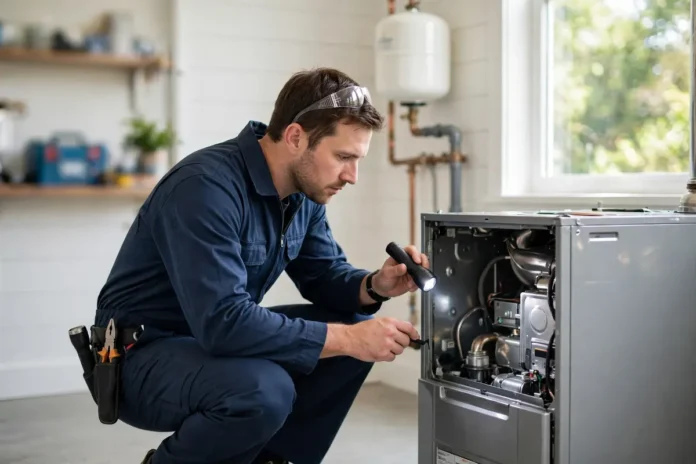
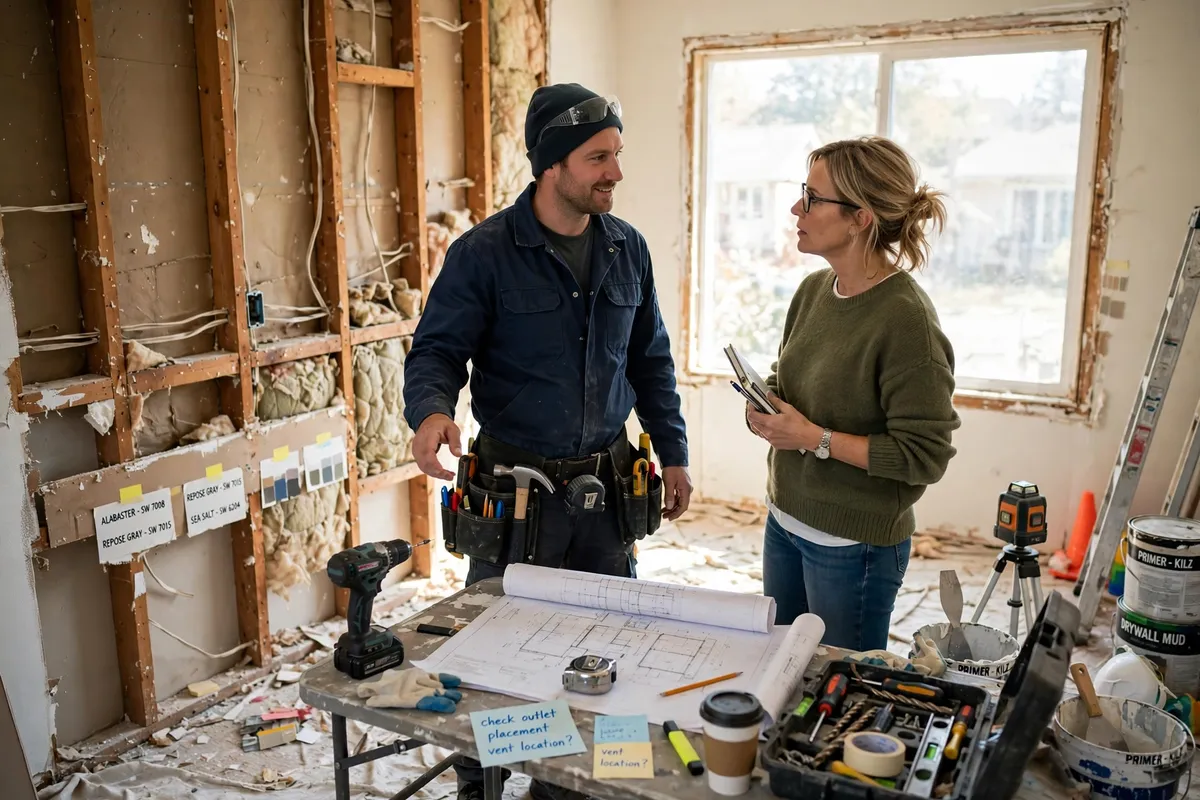
A thorough inspection is non-negotiable for a fixer-upper, and it should go beyond a standard general inspection where the property warrants it. At minimum, understand the condition of the roof, the foundation and structure, the electrical system, the plumbing, the heating system, and any signs of damp, pests, or mould. For older homes, specialist checks, such as an electrical survey, a drainage survey, or a structural engineer’s report, are money well spent, even when they cost extra.
Read the inspection report properly, not just the summary. Note which issues are urgent, which are expected for the property’s age, and which are flagged for further investigation, then cost the urgent items before you finalise your offer. Inspection findings are also legitimate negotiating material: a documented roof replacement or rewiring need is a factual basis for a price discussion or a seller credit, handled fairly and with evidence rather than as a vague demand for a discount.
Pay attention to permissions and paperwork too. Unpermitted past work, boundary questions, listed or protected status, and local planning rules can all affect what you are allowed to change. If the renovation you have in mind needs permission, check early that it is plausible, not after you own the house.
5. When a Fixer-Upper Is a Bad Idea
Some fixer-uppers should be walked away from, however tempting the price. Walk away if the structural problems are severe or unclear, if the renovation cost plus the purchase price exceeds the value of comparable renovated homes nearby, or if you would need to borrow so much that the monthly payments strain your budget. Walk away if you cannot live elsewhere during major work and the house will be uninhabitable, or if your timeline is rigid: a job that must finish by a fixed date is a bad fit for renovation uncertainty.
Also be honest about your own capacity. A fixer-upper demands decisions, supervision, and tolerance for disruption. If you have no time to manage a project, no trusted tradespeople, and no appetite for dust and delays, a home that needs only cosmetic work, or a move-in-ready home, is the better choice. There is no shame in that; the most expensive fixer-upper is the one bought for the wrong reasons.
Questions to Ask Before Offering
Use these questions as a final checklist before you commit. How long has the property been on the market, and has the price already been reduced? What do comparable renovated homes nearby actually sell for? Which repairs are urgent, and what are the written estimates for them? Can you live in the home during the work, and if not, where will you live and what will that cost? Does the work need permits, and are they obtainable? And finally, if the renovation costs significantly more than expected, can you still afford the home? If any answer is unclear, get clarity before offering, not after.
For a sense of what budget-friendly renovation actually looks like room by room, our guide to bathroom remodel ideas on a budget shows how to plan a single room well, which is a good test of whether bigger renovation work suits you.
Frequently Asked Questions
Is buying a fixer-upper cheaper than buying a renovated home?
Often, but not always. The purchase price is usually lower, yet renovation costs, surprises, and the cost of temporary living arrangements can close the gap. Compare the purchase price plus realistic renovation costs, including a contingency, against the price of comparable renovated homes before deciding.
What is the most important inspection for a fixer-upper?
A thorough general inspection is essential, plus specialist checks where warranted: structure and foundations, roof, electrical, plumbing, heating, and damp or pests. For older homes, a structural engineer’s report is often the single most valuable extra check.
How much contingency should I budget for renovations?
Experienced renovators commonly allow a generous contingency above contractor estimates, larger for older homes where hidden problems are more likely. If the project only works with no contingency at all, it is a sign the numbers are too tight.
Can I live in a fixer-upper while renovating?
It depends on the scope. Cosmetic work is usually livable, though dusty and disruptive. Major work involving kitchens, bathrooms, structure, or whole-house systems often makes living there impractical, so budget for alternative accommodation in those cases.
Conclusion
A fixer-upper can be a smart buy: a lower price, a better location, a home shaped to your taste, and equity built through your own work. It can also be a costly mistake when the scope is underestimated, the structure is unsound, or the budget has no room for surprises. The difference is rarely luck. It is homework: honest estimates, a serious inspection, a real contingency, and a clear-eyed answer to what the finished home will actually be worth. Do that work before you offer, and remember this is general education, not financial advice. A fixer-upper bought with clear numbers and realistic expectations is a project; one bought on optimism alone is a gamble.