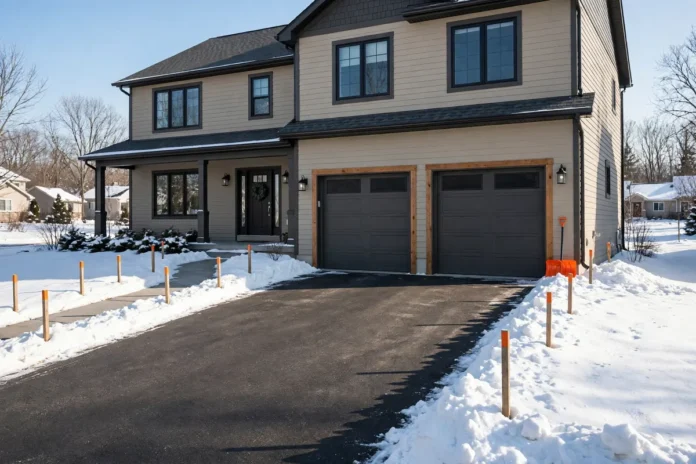
The garage is the most neglected room in winter preparation. It is where pipes freeze, where the car refuses to start, where the cold creeps into the rooms above and beside it — and where a weekend of focused work pays off all winter. Unlike the whole-house checklist, the garage has its own logic: it is a workspace, a storage room, a car park and a buffer zone between outside and inside, all at once. This guide works through it in that order — storage, insulation, safety — so that by the first hard freeze, the garage is doing its job instead of undermining the rest of the house.
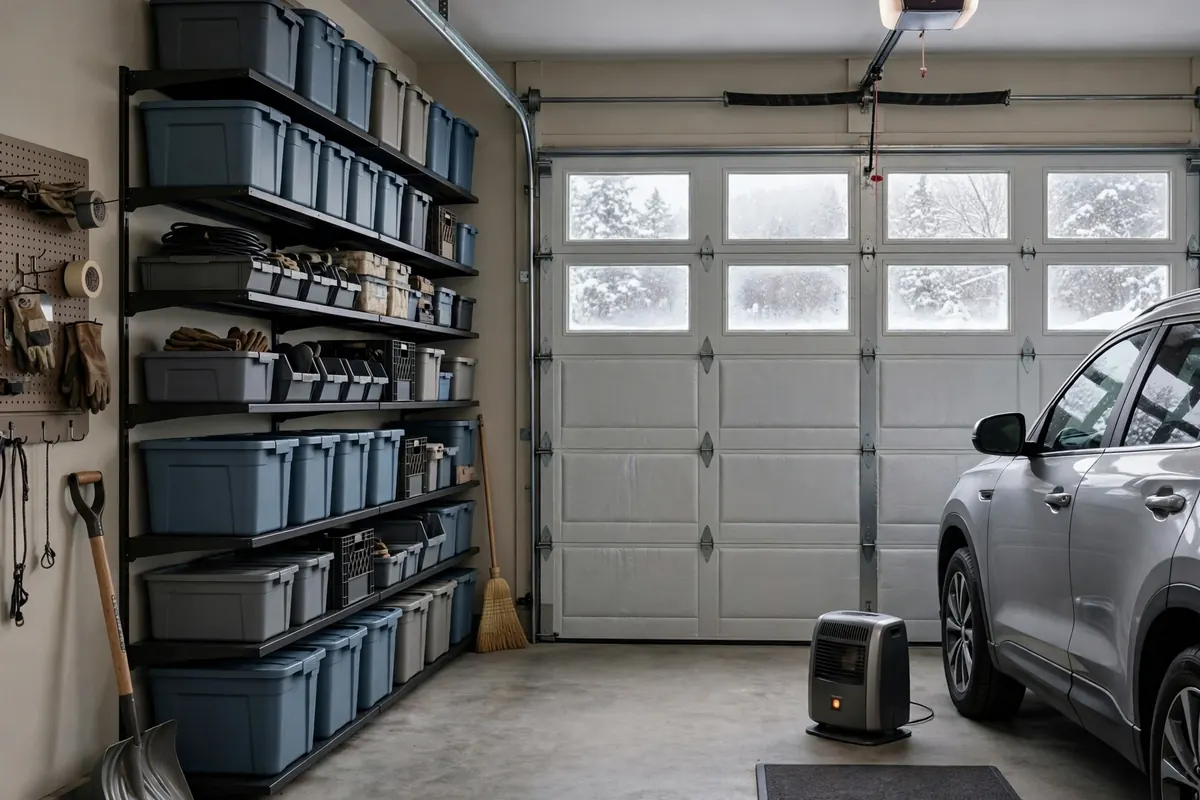
Step 1: Clear, sort and store properly
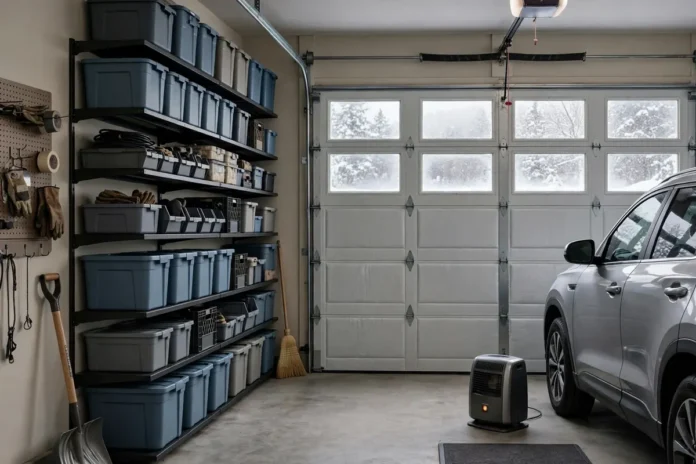
Start by taking everything out of the way and sorting honestly: keep, donate, bin. Winter punishes clutter — things left on a cold concrete floor absorb damp, cardboard boxes soften and collapse, and anything you need in January (the snow shovel, the de-icer, the jump leads) must be reachable without moving three other things. Put storage on the walls, not the floor: heavy-duty shelving, hooks for tools, and clear labelled bins for seasonal gear. Anything that hates cold and damp — paint, adhesives, batteries, liquids in glass — comes inside the house; a freezing garage ruins paint and can crack containers. While you are at it, sweep the floor and check the concrete for cracks that will widen with freeze-thaw cycles; a tube of concrete filler now beats a repair in spring.
Step 2: Insulate the door and seal the drafts
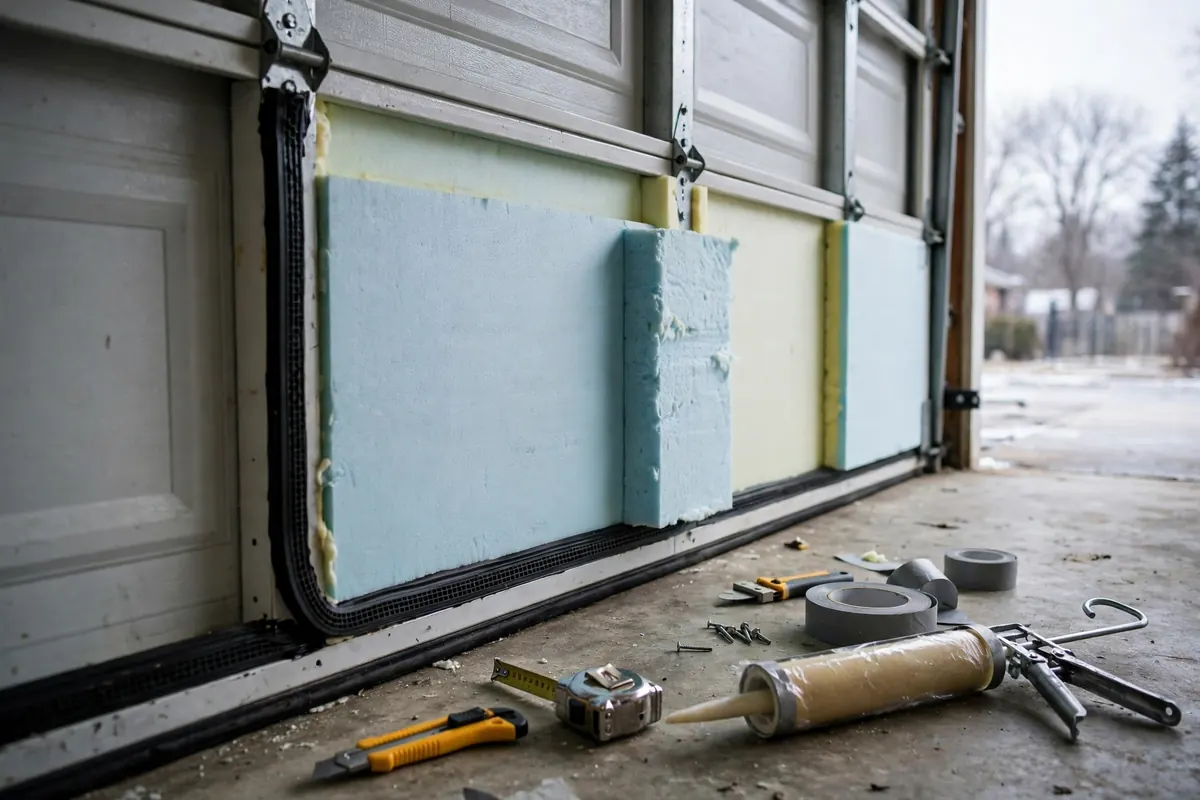
An uninsulated metal garage door is, thermally, a hole in the wall. If your door is uninsulated, fit insulation panels (foam board kits are made for standard sectional doors) — it is a half-day job that noticeably warms the space and protects anything stored there. Then seal: replace the worn bottom seal on the door, add weatherstripping around the frame, and check the door between garage and house — that door should be solid, self-closing and weatherstripped, because it is also a fire and carbon-monoxide barrier. If the garage has a side door or windows, seal those too; the same draft-hunting trick works here (a hand held near the frame on a windy day tells you everything). For a full-house version of the same thinking, see our winterize your home checklist, which covers the rest of the envelope.
Step 3: Protect pipes, cars and kit
Any water pipe running through or above the garage gets foam insulation sleeves — garage pipes freeze first because nobody notices them until the tap stops. If the garage has a tap, drain it and shut it off from inside for the season. For the car: check the battery (cold is what kills a weak battery), top up antifreeze/coolant to the correct mix, switch to winter washer fluid, and keep the tank reasonably full. Store summer kit — lawnmower, garden tools — cleaned, dried and oiled, with fuel drained or stabilised per the manual; a mower left with stale fuel is a spring repair bill.
Step 4: Make it safe in the dark months
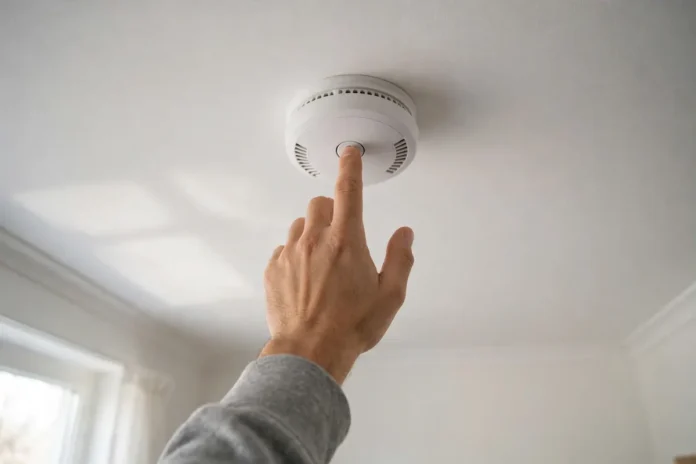
Winter means more garage use in darkness, so safety is part of the job: replace dead bulbs with bright LEDs, add a motion-sensor light over the door, and make sure the garage door opener’s auto-reverse works (a simple test with a block of wood under the closing door). Keep a fire extinguisher rated for the garage, accessible and in date — and never run a car engine in a closed garage, even briefly. Finally, if your garage holds a carbon-monoxide source (a car, a heater), a CO detector in the garage and one in the adjoining room is cheap insurance. The same safety-first logic applies to the rest of the house — see our curb appeal weekend jobs for exterior safety checks.
FAQ
What is the most important garage winter job?
Insulating and sealing the garage door, plus insulating any water pipes in the garage — those two prevent the most common winter damage.
Should I heat my garage in winter?
Usually not to house temperature; a small, safe heater for occasional work is enough for most people. Insulation and sealing matter far more than heating an uninsulated space.
Can paint and batteries stay in the garage over winter?
Paint, adhesives and many batteries do badly in freezing temperatures — store them inside the house instead. Check labels; some products crack or separate after a hard freeze.
How do I stop my garage door freezing shut?
A fresh bottom seal, silicone spray on the seal, and clearing ice from the threshold before a freeze all help. Never force a frozen door open — it can damage the opener.