Twice a year the clocks change, and twice a year the house quietly falls out of sync. In the United States, daylight saving time ends at 2:00 a.m. on Sunday, November 1, 2026, when clocks go back one hour — the “fall back” that gives everyone an extra hour of sleep and leaves every manual clock in the house wrong. Phones and computers adjust themselves, but wall clocks, ovens, microwaves, car dashboards and thermostats do not. This checklist covers the whole job in one pass, so the house is set for the darker evenings ahead.
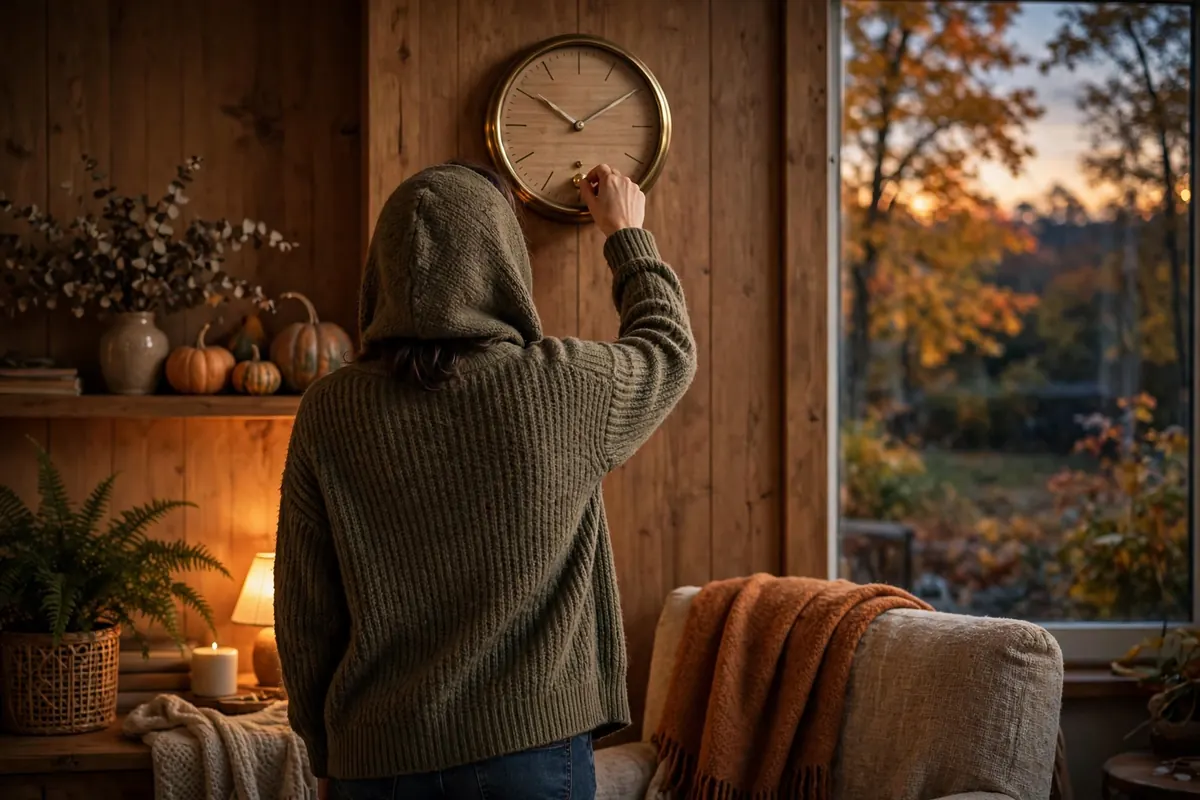
Clocks: every manual clock, in one pass
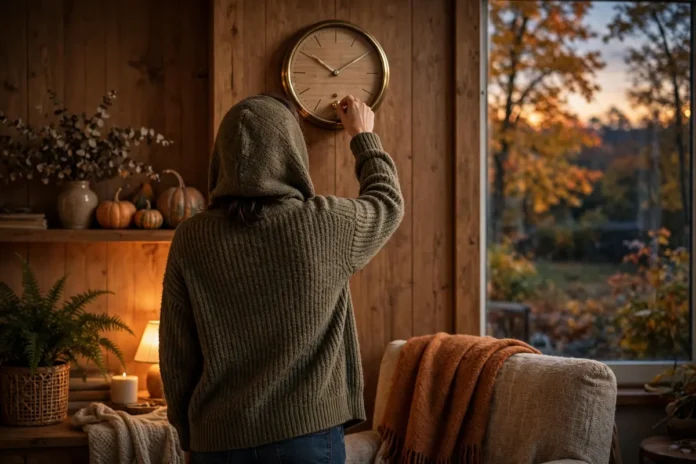
Walk the house with a single purpose: every clock that does not update itself. Wall clocks, bedside alarm clocks, the oven and microwave, the coffee maker, the car dashboard, the garage remote panel, and any plug-in timers. Do them all on Saturday evening, before bed, so Sunday morning is not a puzzle of conflicting times. While you are at it, check that alarm times are still right — an alarm set for 7:00 a.m. before the change still rings at 7:00 a.m. after it, but a manual alarm clock that was never adjusted will ring an hour late. If your home has smart devices, confirm they actually updated; a smart thermostat or security camera on the wrong time stamps everything wrong for weeks.
Safety first: batteries and detectors

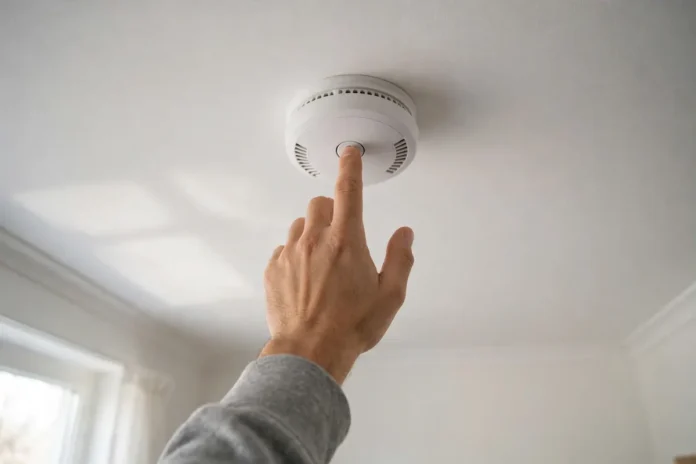
The clock change is the fire services’ traditional reminder for a reason: change the batteries in every smoke detector and carbon monoxide detector now, and test each one. Detectors themselves expire — most smoke detectors should be replaced every 10 years, CO detectors every 5–7 — so check the manufacture date printed on the back while you are up there. If a detector is past its date, replace the unit, not just the battery. The same pass should cover the home’s other seasonal safety basics, which are covered in full in the winterize your home checklist.
Timers, thermostats and lights for darker evenings
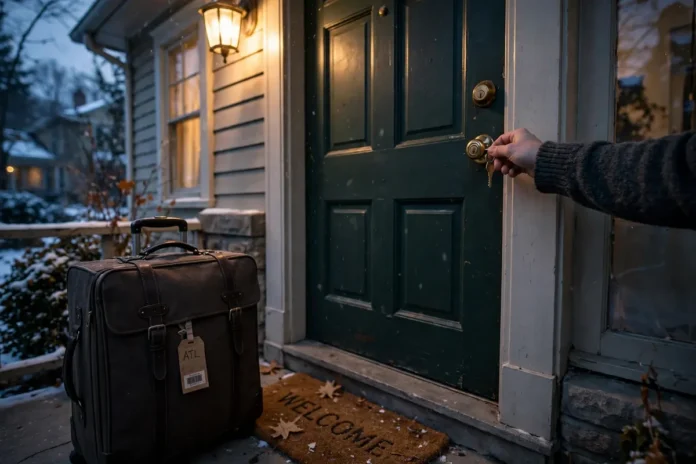
With sunset suddenly an hour earlier, the house’s rhythms change overnight. Reset outdoor-light timers and porch lights so they come on at the new dusk — a dark porch at 5:30 p.m. is both unwelcoming and a security gap. Adjust the thermostat schedule for the new pattern of light and for colder nights: most households can shift heating to start slightly earlier in the evening and let it run a little lower overnight. Check that security cameras, doorbell schedules and any automated blinds are on the new time, and set the car’s clock before Monday’s commute, not during it. Finally, use the extra hour honestly: darker evenings are when the house shows its draughts, so note any cold spots for the winter fixes in the garage winter ready guide.
FAQ
When do the clocks go back in 2026?
In the United States, daylight saving time ends at 2:00 a.m. on Sunday, November 1, 2026 — clocks go back one hour.
Should I change smoke detector batteries when the clocks change?
Yes. It is the standard reminder: fresh batteries in every smoke and carbon monoxide detector, plus a test of each unit.
Do I need to change my phone or computer clock?
No — connected devices update automatically. Manual clocks (wall, oven, microwave, car) need changing by hand.
Why do I need to reset light timers?
Because sunset is suddenly an hour earlier: timers set for the old dusk leave porches and gardens dark at the new one.