The first fire of the season is one of autumn’s small pleasures — and one of the year’s most underestimated risks. Chimney fires, carbon monoxide leaks and stray sparks all cluster in the first weeks of fireplace season, when systems that sat idle all summer are suddenly asked to work. The good news: almost every one of those risks is preventable with a short pre-season checklist, done before the first match, not after the first smell of smoke.
Inspection and sweep first, fire second
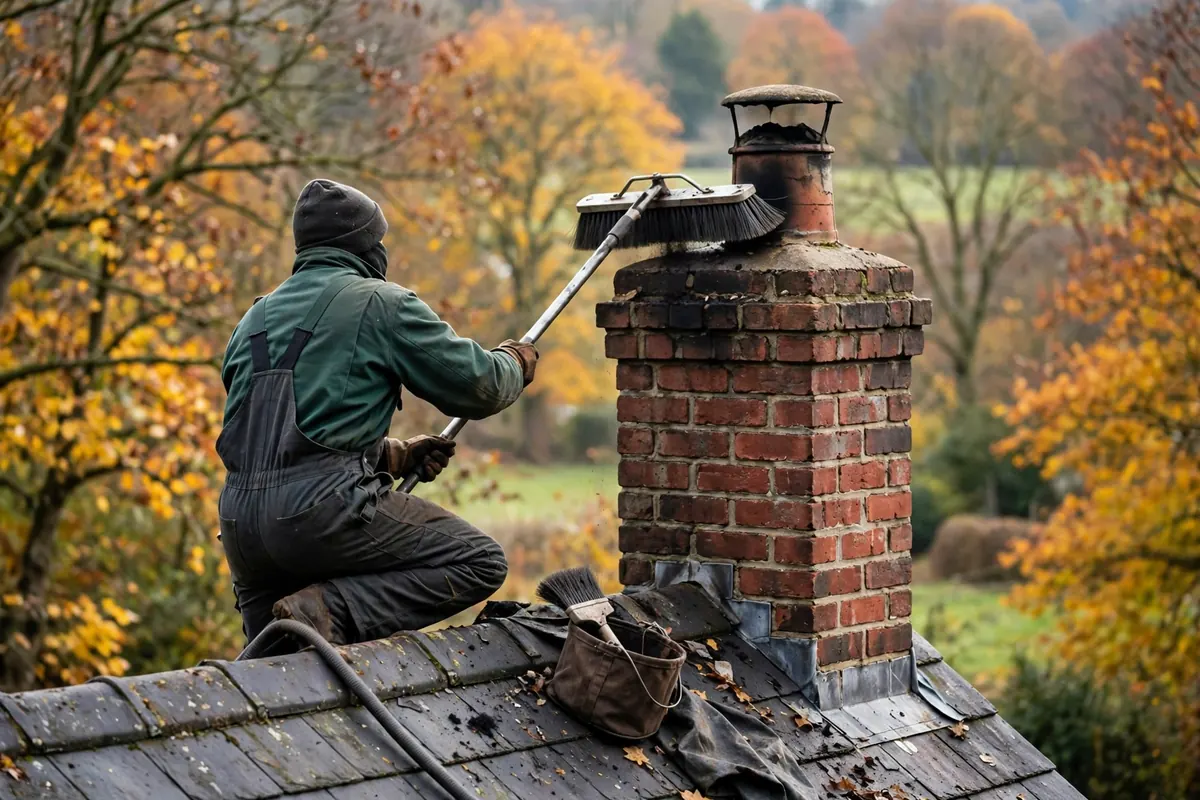
Book a chimney inspection and sweep every year before the heating season, and have it done by a qualified sweep. The sweep removes creosote — the tarry, flammable residue that builds up inside the flue and is the fuel for most chimney fires — and the inspection checks for cracks, blockages (birds’ nests are a classic summer surprise), a damaged cap, and a damper that actually opens and closes. If the chimney has not been used in a year or more, do not light a “test” fire first: a blocked or damaged flue can push smoke and carbon monoxide back into the room. The cap deserves its own look: it keeps rain, animals and debris out, and a missing or rusted cap is a cheap fix that prevents expensive damage. Gas fireplaces need their own annual service too — burners, ignition and ventilation — by a qualified technician, not a DIY guess.
Wood, detectors and the room around the fire
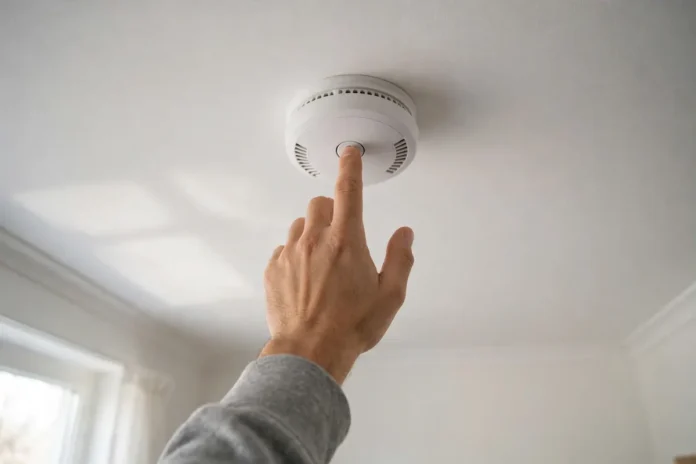
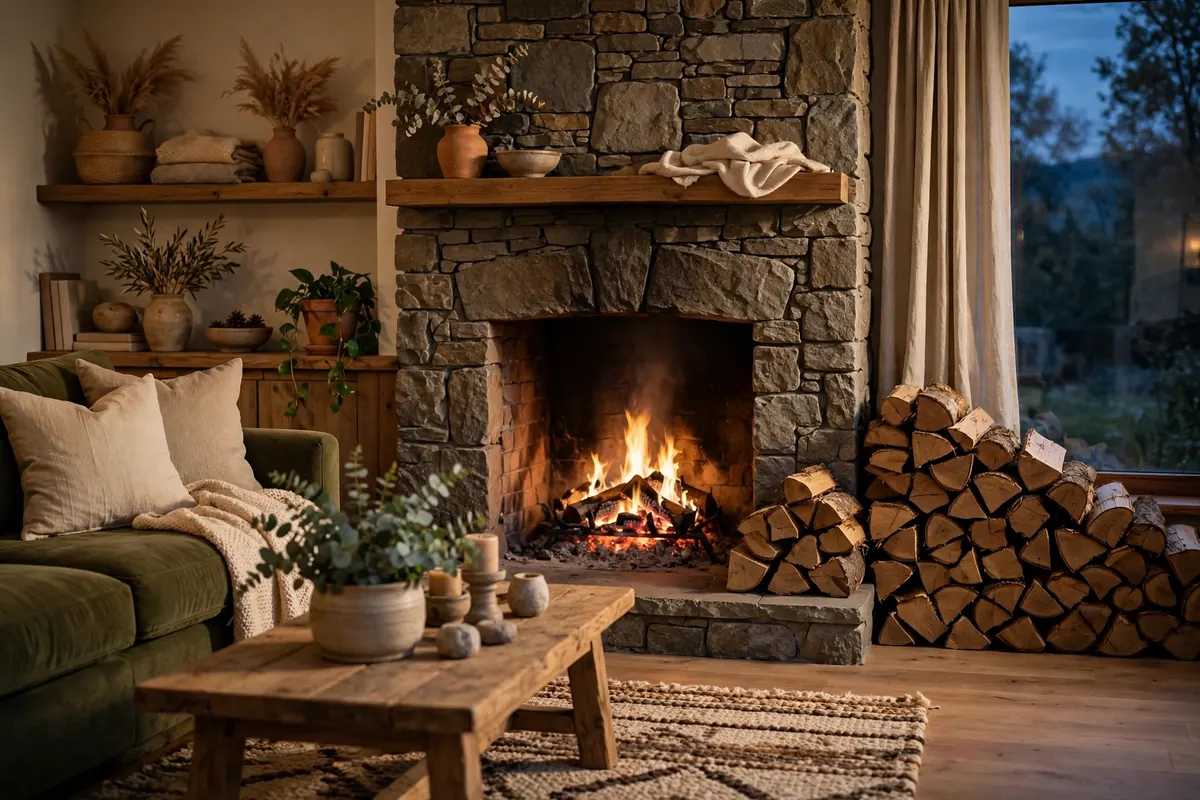
Burn only seasoned, dry hardwood — it burns hotter, cleaner and leaves far less creosote than wet or soft wood, and never burn treated timber, painted wood or household rubbish, which release toxic fumes. Store wood outside, covered, away from the house wall. Inside, the safety perimeter matters: nothing flammable within three feet of the fireplace opening, a proper fireguard if children or pets are around, and a working carbon monoxide detector in the room and near bedrooms — CO is colourless and odourless, and a blocked flue is exactly how it enters a home. Keep a fire extinguisher accessible and know how to close the damper to starve a chimney fire of air while you call the fire service. The same seasonal-safety thinking runs through the site’s winterize your home checklist. And the fall back home checklist pairs naturally with this one.
FAQ
How often should a chimney be inspected and swept?
Once a year, before the heating season, by a qualified chimney sweep — more often if you burn fires frequently.
What is creosote and why is it dangerous?
Creosote is the flammable tarry residue left inside the flue by burning wood. Thick build-up is the fuel for most chimney fires; sweeping removes it.
What wood should I burn in a fireplace?
Only seasoned, dry hardwood. Wet wood, softwood, treated timber and painted wood burn dirtier, leave more creosote and can release toxic fumes.
Do I need a carbon monoxide detector with a fireplace?
Yes — in the room with the fireplace and near bedrooms. CO is colourless and odourless, and a blocked flue can push it into the home.