Conventional wisdom says never sell in winter. The conventional wisdom is half right: winter brings fewer buyers, shorter days and weather that fights your curb appeal. But it misses the other half — the buyers who do show up in winter are usually serious, motivated and working to a deadline, and with less competition on the market, a well-presented home can stand out in a way it never would in spring. This guide weighs both sides honestly, so you can decide on your situation rather than the season’s reputation.
The case for selling this winter
Winter buyers are a filtered group. Nobody browses casually in January: the people viewing homes are relocating for work, upsizing for a growing family, downsizing after a life change, or working to a lease or school deadline. That seriousness shows up in negotiations — fewer low-ball curiosity offers, more genuine intent. Competition is also thinner: with fewer homes listed, yours gets more attention per viewing, and in markets where roughly 43% of listings have recently seen price cuts, a correctly priced winter listing can look like the sensible choice rather than one of fifty. If your home shows well in winter — good heating, good light, a warm interior — the season can actually flatter it. And if you are buying your next home too, winter’s buyer-friendly conditions apply on that side as well, as explained in this guide to buy a house before year-end.

The case for waiting until spring
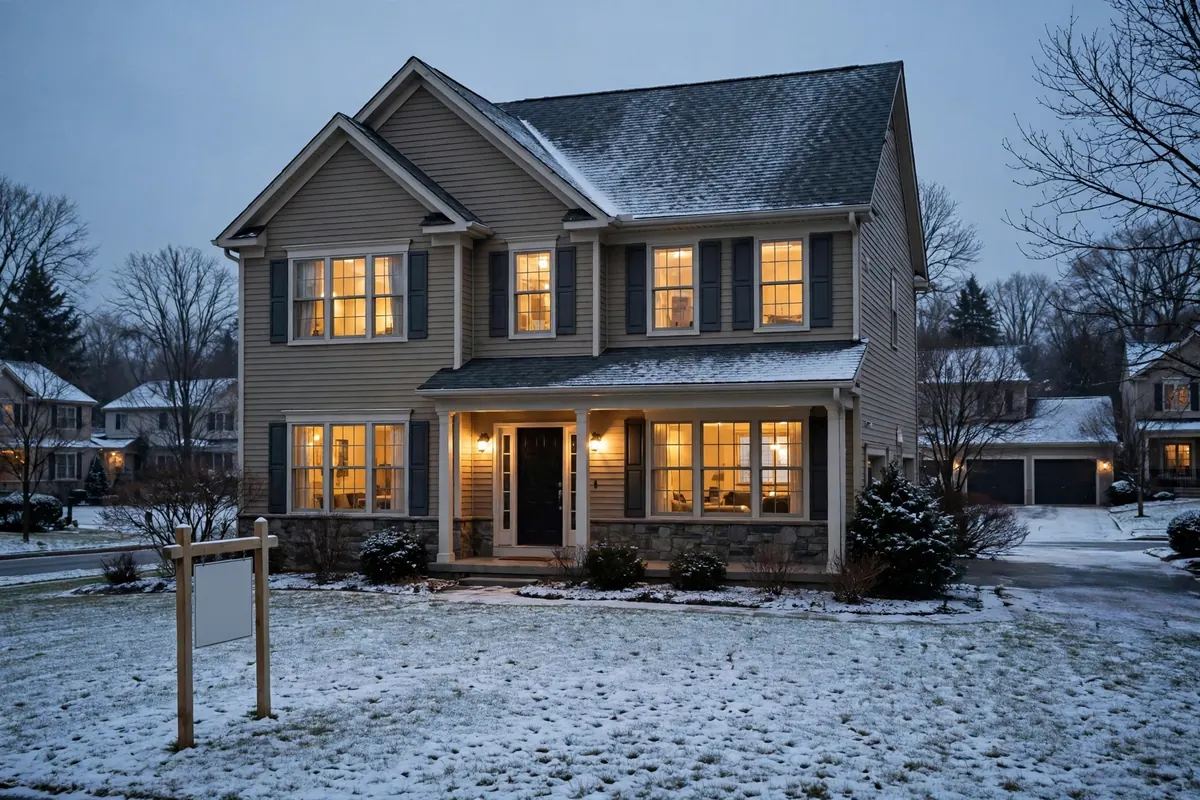
The counter-arguments are real. Buyer numbers drop, so a slow first fortnight is normal and should not trigger a panic price cut. Gardens look their worst, daylight for photos is scarce, and snow or ice can cancel viewings outright. Pricing discipline matters more in winter than in spring: an overpriced winter listing does not get “found” by volume — it sits, and sitting listings accumulate the stigma that follows them into spring. Presentation has to work harder: professional photos taken in good light (ideally before the worst weather), warm interior lighting for every viewing, clear paths and a safe, dry entrance, and honest disclosure of anything winter hides, like a roof issue under snow. Staging still pays — see these home staging tips for the highest-return moves.
FAQ
Is winter a bad time to sell a house?
Not necessarily. Fewer buyers, but more serious ones, and less competition. Pricing and presentation matter more than in spring.
Do winter homes sell for less?
They can, if overpriced or poorly presented — but a correctly priced, well-lit home sells in any season. Winter discounts usually reflect pricing mistakes, not the season itself.
How should I present a home for winter viewings?
Warm lighting, clear and safe paths, professional photos in good light, and a warm interior temperature for every viewing.
Should I wait until spring if I am not in a hurry?
If you can wait and your home’s best feature is its garden or outdoor space, spring may serve you better. If you need to move, winter’s serious buyers are a genuine advantage.