Every autumn, buyers hear the same pitch: buy before the year ends, or miss out. Sometimes that advice is sound; sometimes it is just urgency dressed as wisdom. The truth for late 2026 sits in between, and it depends on three things that have nothing to do with the calendar: what rates are doing, what prices are doing in your market, and whether your own finances are ready. This guide separates the real year-end factors from the invented ones, so you can decide on math rather than momentum.

The case for buying now
There are genuine year-end advantages. Sellers who list in late autumn are often motivated — a house on the market in November or December usually has a reason to sell, and motivated sellers negotiate. Price cuts are widespread: roughly 43% of active listings have seen a price cut in recent reporting, which gives buyers room that spring buyers rarely get. And with rates having just ticked down for the first time in 9 weeks (Freddie Mac’s 22 October survey put the 30-year fixed at 7.32%, down from 7.40%), the direction of travel has at least paused — a small comfort, but a real one. If you find the right house at the right price, waiting for a hypothetical better market is not a strategy; it is a gamble. mortgage rates fell for the first time in 9 weeks
The case for waiting
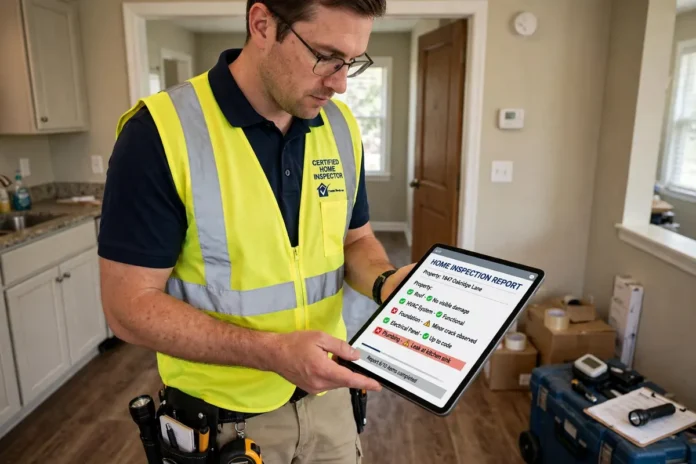
The honest counter-arguments are just as strong. Rates remain above 7% — historically high — and one week’s 0.08-point drop does not change affordability in any meaningful way (on a $400,000 loan, about $22 a month). Inventory in late autumn is thinner, so choice is narrower, and the “year-end tax benefit” is widely oversold: mortgage-interest and property-tax deductions help only if you itemise, and for many buyers the standard deduction is still the better deal — a tax question for your own accountant, not a sales agent. Rushing a purchase to hit an arbitrary date is how buyers skip inspections, overpay, or buy the wrong house. The calendar is not a financial advisor.
The real deadlines that matter
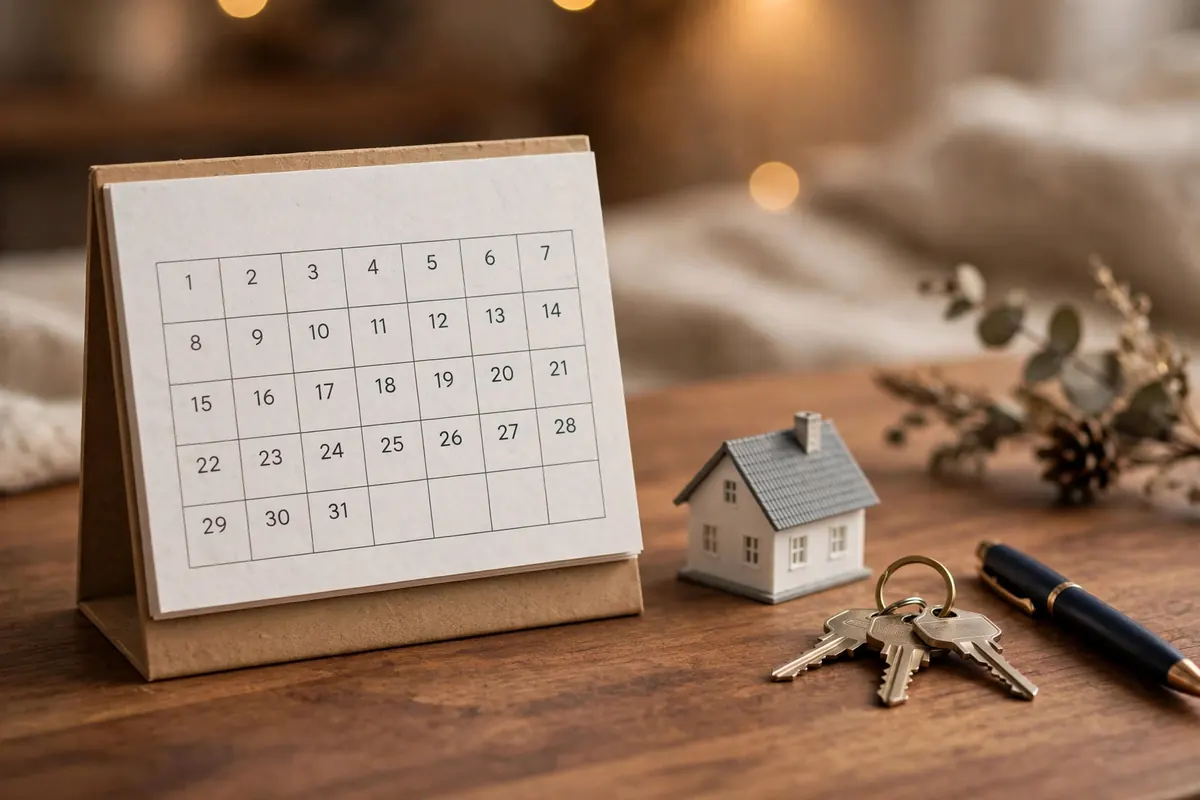
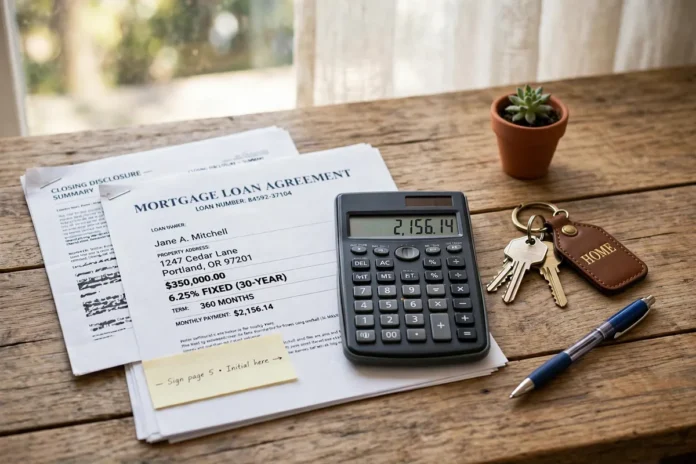
If you do decide to buy this year, these are the deadlines that actually bite: lender timelines (a typical closing takes 30–45 days, so a mid-November contract is the realistic cutoff for a pre-Christmas close), rate-lock expiry (locks usually run 30–60 days — know yours), and moving logistics (movers book up and charge more around the holidays). Tax-year items — closing before 31 December for any deduction to count in 2026 — matter only if itemising benefits you, which you should confirm before counting on it. Before any of this, get the full picture of what buying actually costs beyond the price. hidden costs of buying a house And, if you are new to the process, the step-by-step path from saving to keys. first-time home buyer guide
This article is general information, not financial advice — rates, tax rules and market conditions vary, and your own lender and tax professional should confirm anything that affects your decision.
FAQ
Is it better to buy a house before the end of the year?
It depends on your market and finances, not the calendar. Late-autumn sellers are often motivated and price cuts are common, but rates remain above 7% and inventory is thinner.
Does buying before year-end save on taxes?
Only if you itemise deductions and the mortgage-interest/property-tax deductions beat the standard deduction for you. For many buyers they do not — check with a tax professional before counting on it.
How long does closing take if I buy in November?
Typically 30–45 days, so a mid-November contract is the realistic cutoff for a pre-Christmas close. Confirm your lender’s timeline and rate-lock expiry.
Should I wait for mortgage rates to fall?
No one can predict the next reading. Buy when you can afford the home comfortably at today’s rate; treat any future refinance as a bonus, not a plan.