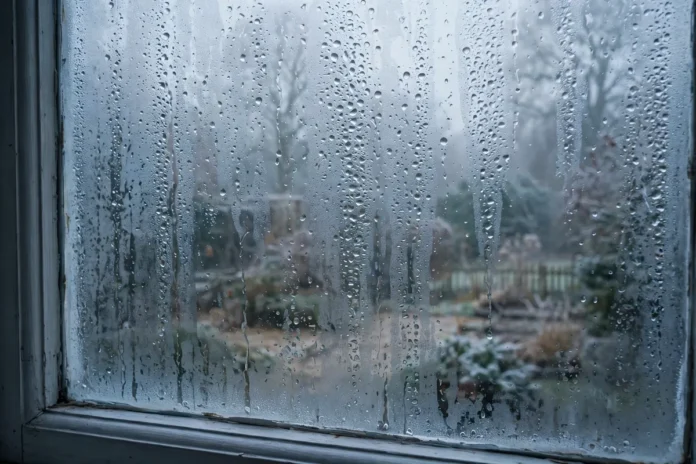
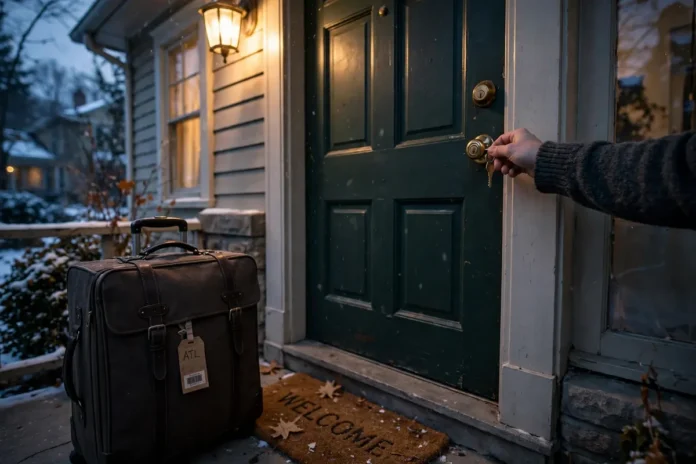
A winter storm rarely arrives without warning. Forecasts usually give two to three days of notice, and that window is the difference between a home that rides out the weather comfortably and one that ends up with frozen pipes, a cold house, or water damage after the thaw. Storm preparation is not complicated, but it does have an order: supplies and heating first, the exterior second, and a clear plan for a power outage before the snow starts falling.

48 to 72 Hours Before: Supplies, Food and Water
Start with the basics the household would need if nobody could leave for two or three days: food that needs little or no cooking, bottled water for drinking, and any prescription medication that might run out mid-storm.
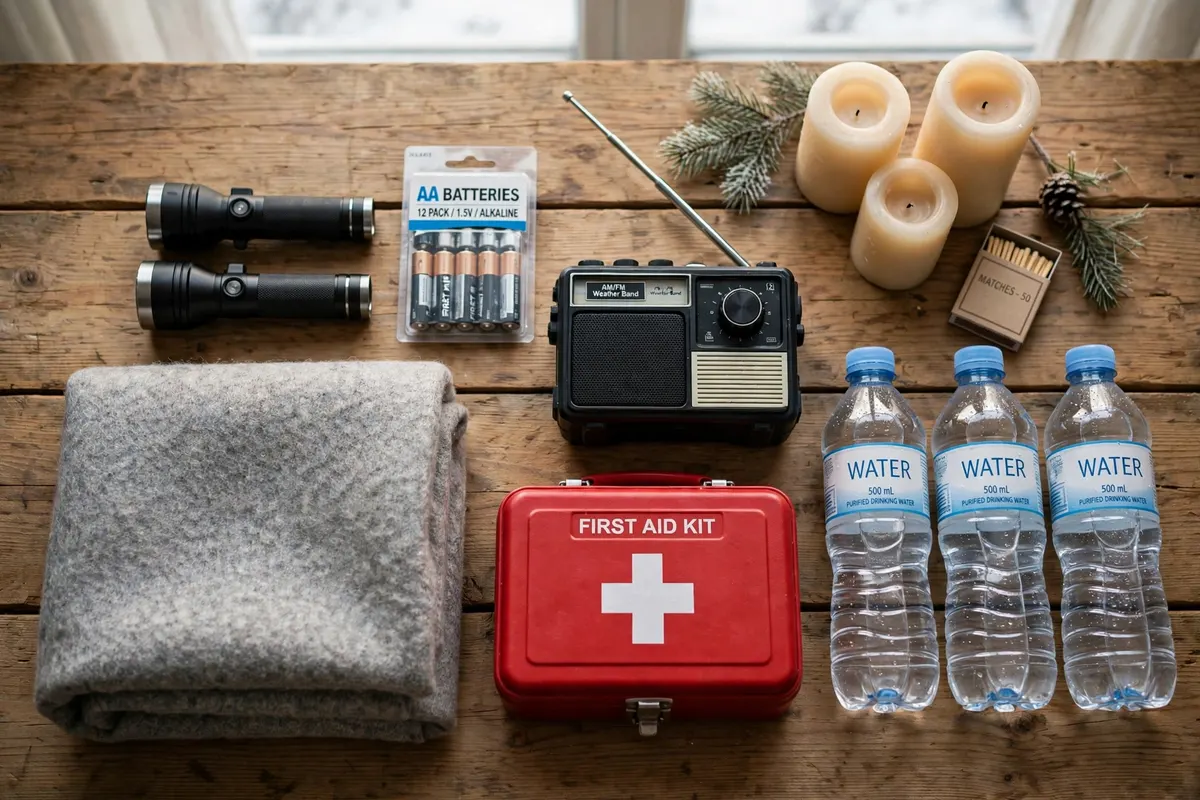
Charge phones, power banks and rechargeable lanterns while the grid is up. Check flashlight batteries — one flashlight per person is a sensible minimum — and keep a battery-powered radio available for weather updates. If the home relies on a well pump, fill bathtubs and large containers with water for flushing, since the pump stops when the power does.
Check the Heating System Before It Is Needed
A day or two ahead of the storm, run the heating through a full cycle and confirm it heats normally — a furnace that fails mid-storm can leave a house cold for days, since emergency call-outs during severe weather are slow. Replace a dirty filter, check that vents are open and unblocked, and make sure there is enough fuel — oil, propane or firewood — to last well beyond the forecast storm period.
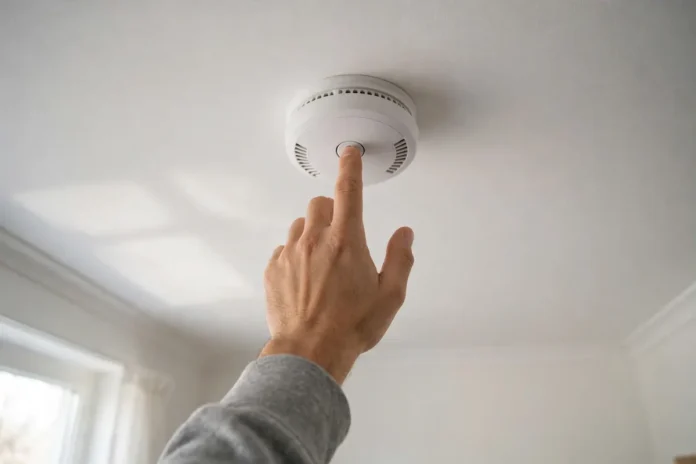
Anyone who has not yet done the seasonal checks should work through a proper furnace maintenance checklist now, while there is still time to book a technician if something sounds wrong. Keep the area around the furnace clear, and test carbon monoxide detectors before the heating runs continuously.
Protect the Pipes Early
Frozen and burst pipes are the most common expensive outcome of a winter storm. Insulate exposed pipes in the basement, crawl space and garage, seal drafts where pipes run along exterior walls, and disconnect and drain outdoor hoses before temperatures drop. The full routine is covered in the guide to prevent frozen pipes this winter.
During the storm, hold the thermostat steady rather than letting the house cool overnight, open cabinet doors under sinks on exterior walls, and let vulnerable faucets drip slowly during the coldest hours. If pipes do freeze, gentle thawing methods apply — never an open flame.
Exterior Prep: Gutters, Branches and Loose Items
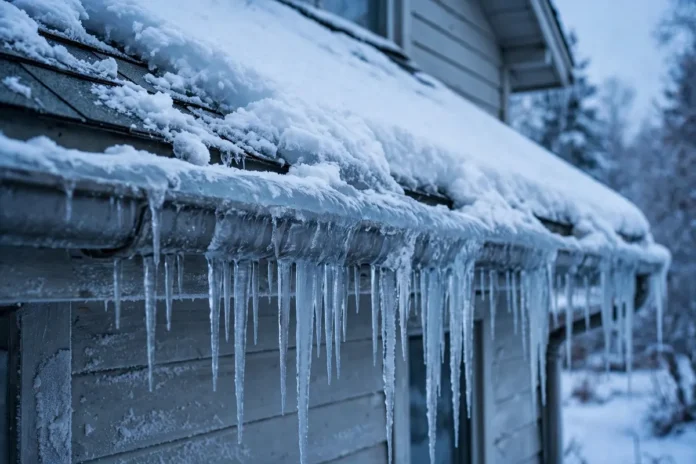
Outside, the priorities are water and wind. Clear gutters and downspouts so melting snow has somewhere to go — a blocked gutter encourages ice dams — and check downspouts direct water away from the foundation.
Look up before looking around: dead or overhanging branches over the roof, driveway or power line should be trimmed back by a professional if there is time — snow-loaded limbs are a leading cause of storm damage. Anything the wind can move should be secured or brought in: patio furniture, bins, garden tools and holiday decorations. Stack firewood near an accessible door, park vehicles in the garage where possible, and make sure snow tools are ready — shovel, ice melt, and a roof rake if the home has one.
Power-Outage Readiness and Generator Safety
Assume the power may go out and plan the outage before it happens. Keep flashlights and batteries in known places, avoid relying on candles where they can be knocked over, and know which refrigerator foods must be used first. A full freezer holds safe temperatures far longer than a half-empty one, so group frozen food tightly.
Portable generators need strict handling. A generator must never be run indoors, in a garage, or in any enclosed or partly enclosed space — its exhaust contains carbon monoxide, which is colourless and odourless and can kill within minutes. Generators belong outdoors, well away from windows, doors and vents. Let the engine cool before refuelling, store fuel outside living spaces, and never connect a generator to household wiring without a proper transfer switch fitted by an electrician — backfeeding can injure utility workers. Working carbon monoxide detectors on every level are the safety net.
During the Storm
Once the storm arrives, the job is mostly monitoring. Keep the heating steady, maintain the faucet drips during the coldest stretch, and check vulnerable pipes periodically. Conserve phone battery, and keep refrigerator and freezer doors closed as much as possible during an outage.
Stay off the roads unless travel is essential, and treat every downed power line as live — never approach one, and report it to the utility. Watch the roof from the ground: deep, heavy snow adds real weight, and older or flatter roofs are the most vulnerable. Inside, listen for unusual creaks and watch for new cracks, which can signal stress. Clear snow from around exterior vents and the furnace intake and exhaust — a blocked furnace vent can shut the system down or push exhaust gases back inside.
After the Storm: Check for Damage
When the weather clears, walk the property slowly and look before touching. Check the roof from the ground for missing shingles, branches resting on it, and gutters pulled away by ice.
Inside, check the attic and ceilings for leak stains, test every faucet for full water flow (a trickle can mean a partly frozen pipe), and look in the basement or crawl space for water — some bursts only reveal themselves as things thaw. Clear snow away from the foundation as it melts. After an outage, perishables held above safe refrigerator temperatures for more than a few hours should be discarded rather than risked.
A Note on the Car and Garage
If travel cannot be avoided after the storm, the car should carry a blanket, water, a phone charger, a small shovel and something for traction, and the fuel tank should stay at least half full through storm season. In the garage, keep ice melt and tools within easy reach, and never warm up a vehicle inside a closed garage — exhaust builds up fast in an enclosed space.
Winter Storm Prep Checklist at a Glance
- ☐ Stock food, drinking water and medication for two to three days
- ☐ Charge phones and power banks; check flashlights and batteries
- ☐ Run the heating through a full cycle; replace a dirty filter; confirm fuel supply
- ☐ Test carbon monoxide detectors on every level
- ☐ Insulate exposed pipes; disconnect and drain outdoor hoses and faucets
- ☐ Clear gutters and downspouts; check drainage away from the foundation
- ☐ Trim dangerous branches (professional job); secure or store outdoor items
- ☐ Plan generator placement outdoors, away from windows and vents — never indoors or in a garage
- ☐ During the storm: steady heat, dripping faucets, vents kept clear of snow
- ☐ After the storm: photograph damage, test all faucets, check attic, ceilings and basement for leaks
Frequently Asked Questions
How far in advance should a home be prepared for a winter storm?
Most preparation fits into the 48 to 72 hours before the storm arrives: stocking supplies, checking heating and fuel, insulating pipes and securing the exterior. A few jobs, such as major tree work, need booking earlier.
What is the most common damage from a winter storm?
Burst pipes from freezing water are among the most common and most expensive. Roof damage from snow load and fallen branches, and water damage from ice dams, are also frequent.
Can a portable generator be run in a garage with the door open?
No. A generator must never run in a garage, even with the door open, or in any enclosed or partly enclosed space. Exhaust carbon monoxide can build to lethal levels quickly. Generators belong outdoors, well away from windows, doors and vents.
Should faucets drip during a winter storm?
Yes, during the coldest hours. A slow drip from faucets served by exposed pipes keeps water moving and relieves pressure if ice begins to form. Opening cabinet doors under sinks helps warm air reach the plumbing.
How much water should be stored before a storm?
A common planning guideline is about one gallon per person per day for drinking and basic hygiene, for at least two to three days.
What should be checked first after the storm passes?
Safety first: stay away from downed lines, then photograph any visible damage for insurance. Test every faucet for full flow, check ceilings and the attic for leaks, and look in the basement or crawl space for water from pipes that split as they thawed.