The asking price of a house is not a fixed price. It is an opening number, and in most markets there is room to negotiate, sometimes a little, sometimes a lot. Yet many buyers, especially first-time buyers, either pay the asking price without question or negotiate in ways that weaken their offer. Learning how to negotiate the best price when buying a home can save you thousands of dollars, and it starts long before you make an offer.
This guide walks through ten practical negotiation tips, from research to closing, and explains when to push, when to compromise, and when to walk away. The examples here are general education, not financial advice, and your local market conditions and your agent’s guidance should always shape your final decisions.

1. Know the Market Before You Offer
Negotiation power depends on the market. In a buyer’s market, where homes sit unsold for weeks, sellers are more flexible. In a seller’s market, where homes sell in days with multiple offers, aggressive low offers usually fail. Before offering, ask your agent for the local picture: average days on market, the ratio of sale price to asking price, and how many comparable homes are currently for sale. This context tells you whether you are negotiating from strength or whether a clean, fast offer matters more than a lower price.
2. Study Comparable Sales, Not Just the Listing
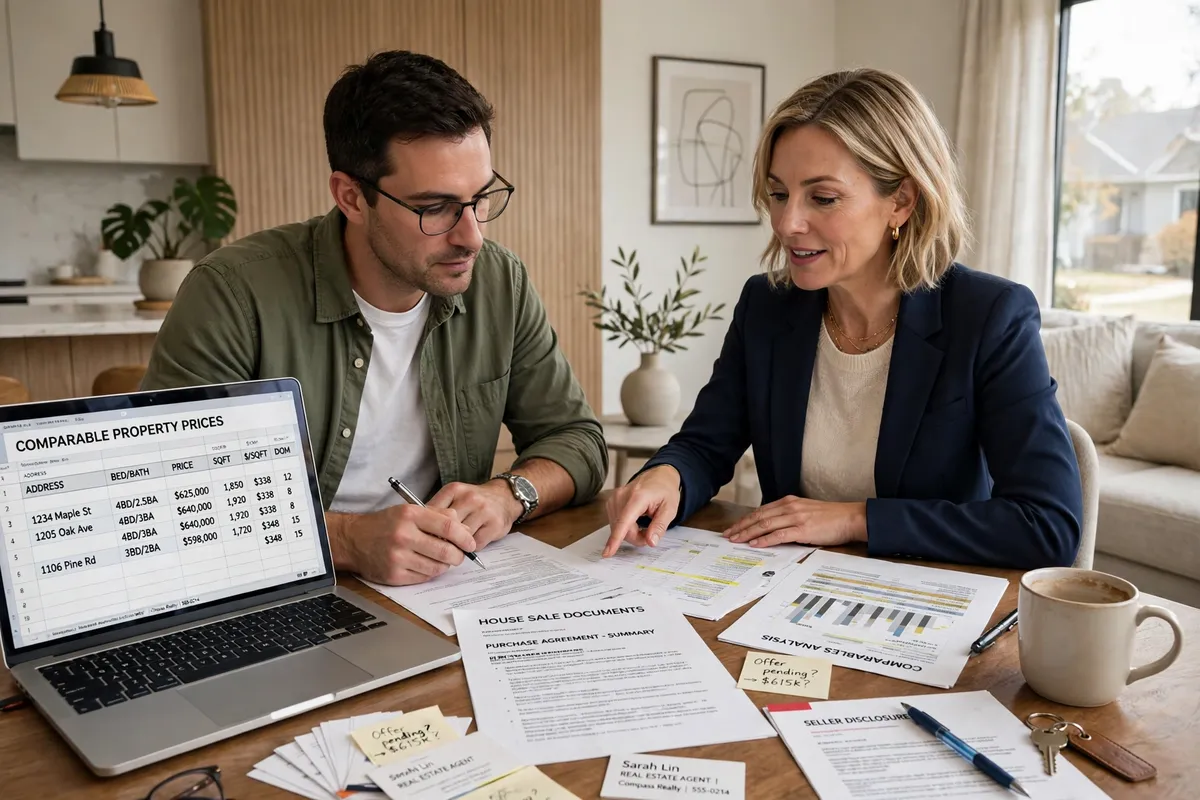
The strongest negotiating tool you have is evidence. Ask your agent for recent comparable sales, known as “comps”: similar homes in the same area that sold in the last three to six months. If comparable homes sold for less than the asking price, you have a factual basis for your offer. If they sold for more, you know the price may already be fair. Our guide on how much your house is worth explains how sellers and agents arrive at these values, and understanding their side makes your negotiation sharper.
3. Get Pre-Approved, Not Just Pre-Qualified
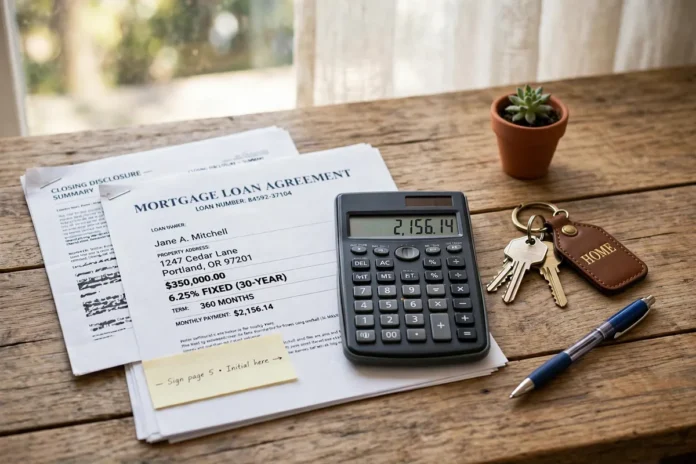
A mortgage pre-approval shows the seller you are a serious buyer who can actually complete the purchase, and it gives you a firm budget ceiling. Sellers often prefer a slightly lower offer from a pre-approved buyer over a higher offer that might fall through. Pre-approval also protects you: it stops you from offering more than a lender will support, which is a common cause of failed deals. If you are new to the process, our first-time home buyer guide walks through pre-approval and the other steps from saving to moving in.
4. Look for the Seller’s Motivation
Every seller has a reason, and understanding it is negotiating gold. A home that has been on the market for months, a seller who has already bought elsewhere, a vacant property, or an estate sale all suggest flexibility. Listing history, price reductions, and the time of year can all hint at motivation. A seller who needs speed may accept a lower price for a fast, certain closing, while a seller in no rush may hold firm. Your agent can often learn these details through the listing agent, professionally and politely.
5. Make Your First Offer Strategic
Your first offer sets the tone. Offering far below asking price can insult a seller and end the conversation, while offering full price immediately leaves money on the table. A sensible opening offer is usually a few percent below what you believe the home is worth, supported by comparable sales, with room to move up to your true maximum. Always decide your walk-away number before you negotiate, when you are calm, not in the heat of a counter-offer. Write it down and stick to it.
6. Negotiate More Than the Price
Price is only one part of a deal. If a seller will not move on price, you can often win value elsewhere: ask for repairs to be completed, appliances or furniture to be included, a longer or shorter closing timeline to suit the seller, or a credit toward closing costs. A $5,000 closing-cost credit is worth exactly $5,000 to you, but it may feel easier for a seller to grant than a $5,000 price cut, because it does not change their headline sale price. Creative terms frequently close deals that price alone cannot.
7. Use the Home Inspection as Leverage, Fairly
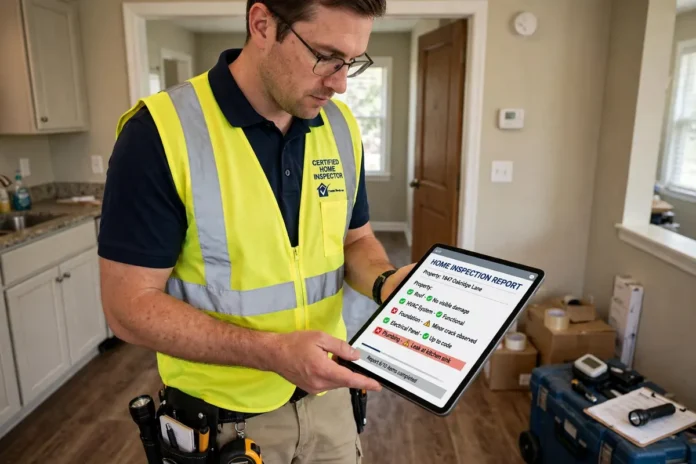
The inspection is not a tool for renegotiating a price you already agreed, but it is a legitimate moment to address genuine problems. If the inspection reveals a faulty roof, old wiring, or plumbing issues, you can reasonably ask for repairs or a credit. Focus on significant, safety-related, or expensive items rather than a long list of minor defects, which can irritate a seller and stall the deal. A focused, evidence-based request, backed by the inspection report and repair estimates, is far more persuasive than a vague demand for a discount.
8. Keep Emotions Out of It
Falling in love with a house is the fastest way to overpay for it. Sellers and their agents can sense urgency, and bidding against yourself out of excitement is a classic mistake. Visit the home twice, view it at different times of day, and always have a backup option in mind. If you know you can walk away, you negotiate with genuine confidence. Remember that there will always be another house, but an overpayment stays with you for the life of the mortgage.
9. Mind the Appraisal Gap
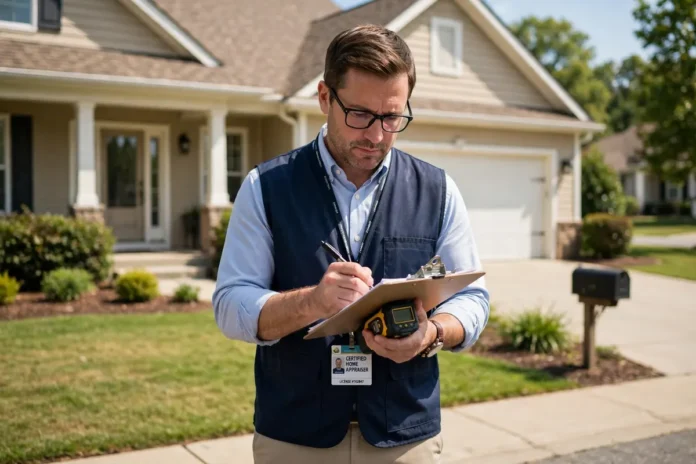
Even if a seller accepts your offer, the lender’s appraisal must support the price. If the home appraises below your offer, the lender may not fund the full amount, leaving you to cover the gap or renegotiate. This is another reason comparable sales matter: an offer far above recent sales risks an appraisal problem. Discuss appraisal-gap strategies with your agent and lender before you offer, so a low appraisal becomes a planned scenario rather than a crisis.
10. Know When to Walk Away
The most powerful negotiating move is the willingness to walk away, and the hardest one to make. If the price exceeds your walk-away number, if the inspection reveals problems the seller will not address, or if the terms stop making sense, leaving the deal is not failure, it is discipline. Homes that fall through often return to the market later, sometimes at a lower price. Protecting your budget matters more than winning any single negotiation.
Closing Costs: The Forgotten Part of the Deal
Many buyers focus entirely on the purchase price and forget that closing costs, taxes, insurance, and moving expenses add thousands more. Our guide to the hidden costs of buying a house lists the expenses buyers most often miss. When you negotiate, think in terms of total cost, not just headline price: a seller credit toward closing costs can be worth more to your cash flow than an equal price reduction.
Frequently Asked Questions
How much below asking price should I offer on a house?
There is no universal percentage. In a buyer’s market, offers a few percent below asking are common, while in a competitive seller’s market, offers at or above asking may be necessary. Base your offer on comparable sales and local market conditions, not on a fixed discount rule.
Can I negotiate after the home inspection?
Yes, for genuine issues the inspection uncovers. You can ask the seller to complete repairs or provide a credit, ideally with the inspection report and repair estimates as evidence. Focus on significant problems rather than minor cosmetic items.
Is it rude to negotiate a house price?
Not at all. Negotiation is a normal, expected part of buying a home, and sellers and agents expect it. A respectful, evidence-based offer is professional, not offensive. What damages negotiations is an unrealistic offer with no supporting evidence.
What if the seller rejects my offer outright?
Stay calm and ask your agent to find out why. The seller may have had a better offer, a deadline, or a concern about your terms rather than your price. You can often return with adjusted terms, or simply move on to another property with your budget intact.
Final Thoughts
Negotiating a home price is a skill, not a talent, and it rewards preparation more than aggression. Research the market, ground your offer in comparable sales, get pre-approved, decide your limits in advance, and negotiate terms as well as price. Do that, and you will buy with confidence, knowing you paid a fair price for a home you genuinely wanted, not a price set by excitement or pressure.