Buying your first home is equal parts exciting and paperwork. This first time home buyer guide breaks the whole journey into ten manageable steps, from the day you start saving to the day you carry boxes through your own front door. None of the steps are difficult on their own — the stress usually comes from not knowing what happens next, and in what order.
You do not need a perfect salary, a perfect credit score, or a 20% deposit saved before you begin. You need a realistic budget, patience, and a plan. Here is the plan. Any dollar figures below are general examples to illustrate the process, not financial advice.

Step 1: Check Your Financial Starting Point
Before browsing a single listing, look honestly at three numbers: your credit score, your monthly debts, and your savings. Lenders typically want to see a credit score in at least the mid-600s for many loan programs, though requirements vary, and higher scores unlock better rates. Your debt-to-income ratio — all monthly debt payments divided by gross monthly income — generally needs to stay below roughly 43–50% including the future mortgage payment, as a common lender guideline. Knowing these numbers early turns “someday” into a timeline.
Step 2: Decide What You Can Actually Afford
A common rule of thumb suggests keeping your total housing payment near or below 28% of your gross monthly income, but your real budget is personal: childcare, commuting, and lifestyle all compete for the same paycheck. Work backwards from a monthly payment you can live with comfortably, not the maximum a lender offers. And remember the purchase price is only the headline — our breakdown of the hidden costs of buying a house covers the closing costs, taxes, insurance, and moving expenses that surprise so many first-time buyers.
Step 3: Save the Deposit and Closing Costs
First-time buyers often qualify for loans with deposits well below 20% — some programs start around 3–5% down, as a general example — but you will also need roughly 2–5% of the price for closing costs, plus a cushion for moving and the first months of ownership. Automate a monthly transfer into a separate savings account so the fund grows without willpower. If buying still feels several years away, it is worth running the numbers in our renting vs buying a home comparison to see which path genuinely fits your timeline.
Step 4: Get Mortgage Pre-Approval
Pre-approval means a lender has verified your income, debts, and credit and committed to a loan amount, subject to the property checking out. In competitive markets, sellers routinely ignore offers without it. Gather recent pay stubs, tax returns, bank statements, and ID before you apply, and compare at least two or three lenders — rates and fees differ more than most buyers expect, and even a small rate difference adds up over a long loan.
Step 5: Find a Buyer’s Agent You Trust
A good buyer’s agent costs you nothing directly in most transactions (their commission is typically negotiated as part of the sale) and earns their keep many times over: pricing advice, access to new listings, negotiation, and a calm head when a bidding war heats up. Interview two or three, ask how they work with first-time buyers, and choose someone who explains things patiently rather than rushing you.

Step 6: House Hunt With a Written Wish List
Split your wish list into “must-have,” “nice-to-have,” and “deal-breaker.” Location, commute, and layout are hard to change; paint colors and light fixtures are easy. Visit homes at different times of day, check water pressure and phone signal, and take photos — after five viewings, kitchens blur together. When you find a contender, research what similar homes nearby sold for; our guide on how much a house is worth explains how to use those comparable sales so you offer with evidence, not emotion.
One more tip for this stage: judge the neighborhood, not just the house. Drive the street on a weekday evening and a weekend morning, check the commute in real traffic, and note the distance to the shops, schools, or transport you will actually use. A slightly smaller home in a location that fits your daily life almost always beats a bigger one that adds an hour to every day — and location is the one feature of a home you can never renovate.
Step 7: Make an Offer and Negotiate
Your agent will help you set a price and terms: deposit amount, contingencies, and closing timeline. The contingencies that protect first-time buyers most are the inspection contingency (the right to renegotiate or walk away after the inspection), the appraisal contingency (protection if the home appraises below the price), and the financing contingency. In a slow market you may also ask the seller for help with closing costs or included appliances — the worst they can say is no.
Step 8: Book the Home Inspection
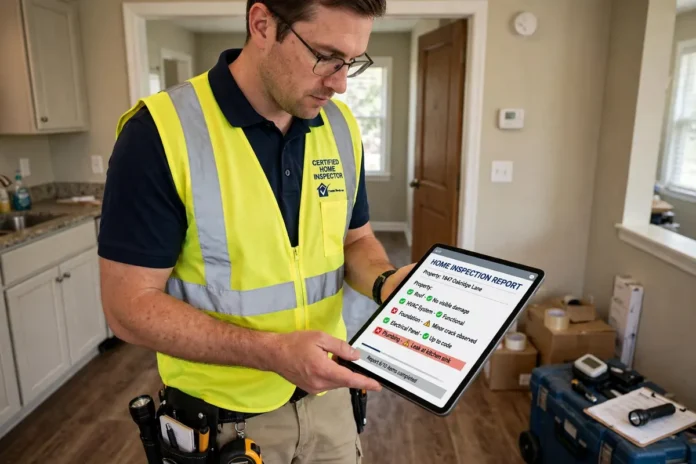
Never skip this step, even on a home that looks perfect. A licensed inspector examines the roof, structure, plumbing, electrical, heating, and cooling systems and flags issues from minor leaks to major safety hazards. Attend the inspection if you can: it doubles as a free education in how your future home works. Serious findings become the basis for repair requests or price credits before you are legally committed.
Step 9: Close the Sale
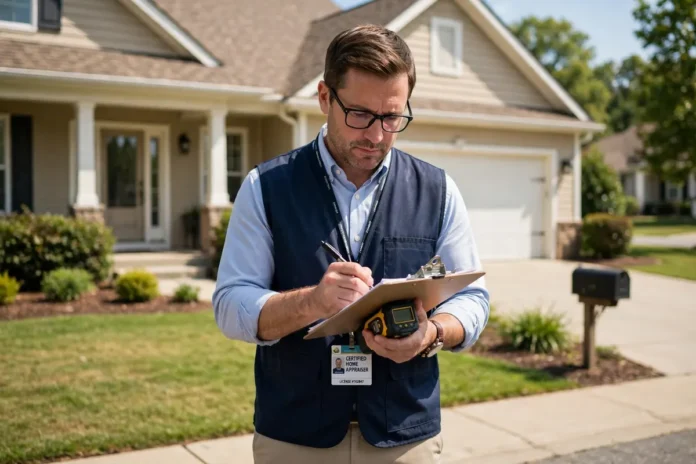
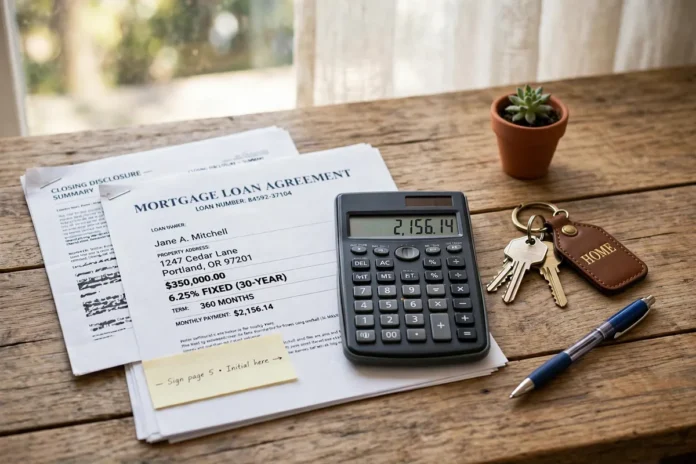
Between offer acceptance and closing day — often 30 to 45 days — the lender finalizes your loan, an appraisal is completed, and a title search confirms the seller can legally sell. A few days before closing you will receive a closing disclosure listing every cost; compare it carefully with your earlier estimates and ask about anything unexpected. On the day itself you sign a tall stack of documents, transfer your funds, and receive the keys.
Step 10: Move In — and Protect Your Investment
Change the locks, locate the water shut-off and breaker panel, and set up utilities in your name. Then build the habit that separates relaxed owners from stressed ones: a small monthly set-aside for maintenance and repairs, because water heaters and roofs age on their own schedule regardless of yours. Keep your closing documents somewhere safe — you will want them at tax time and again when you eventually sell.
FAQ
How much deposit do first-time buyers really need?
Many loan programs allow around 3–5% down as a general example, though a larger deposit lowers your monthly payment and can remove mortgage insurance sooner. You will also need separate funds for closing costs.
How long does buying a first home usually take?
Saving takes as long as it takes, but the active purchase — from pre-approval to keys — commonly runs two to four months, with closing itself taking about 30–45 days after your offer is accepted.
Should I wait until I have a 20% deposit?
Not necessarily. Waiting avoids mortgage insurance, but home prices and rates move too. Run your own numbers for both paths rather than following a blanket rule.
What credit score do I need to buy a house?
Requirements vary by program, but many lenders work with scores in the mid-600s and above as a general guideline. A higher score usually means a better interest rate, so improving yours before applying can pay off.
The bottom line: buying your first home is a sequence, not a leap. Check your numbers, save steadily, get professional help at the right moments, and protect yourself with inspections and contingencies. Step by step, it is very doable — and the day the keys are in your hand, every form will feel worth it.