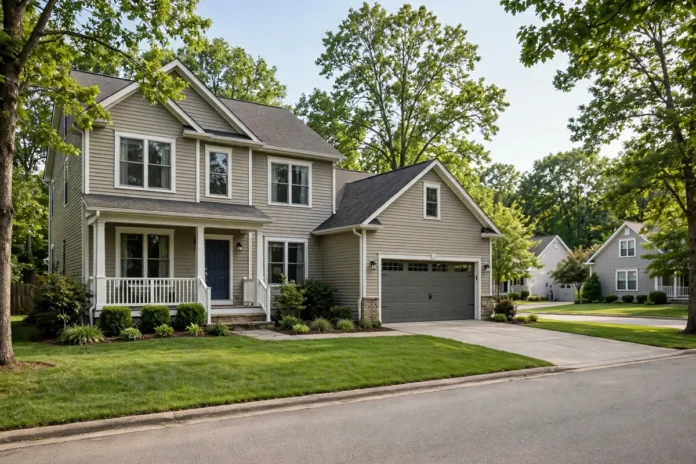
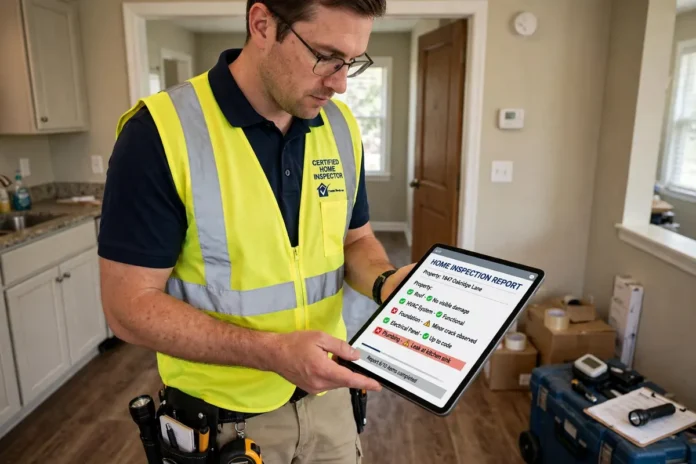
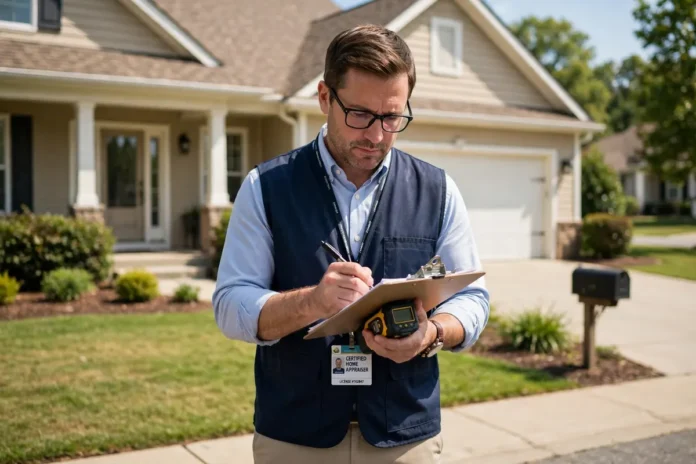
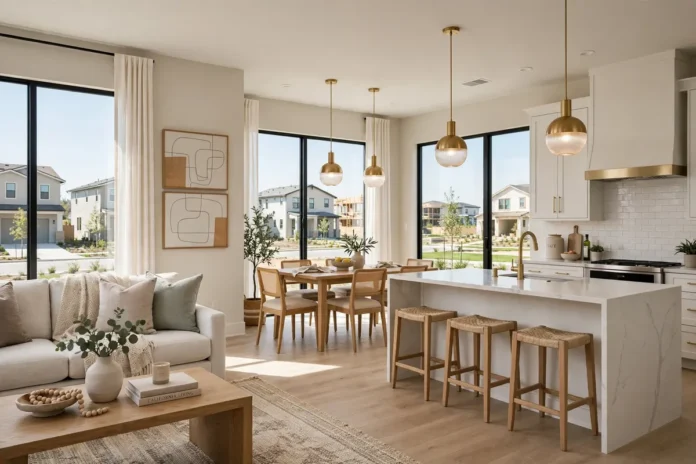
The renting vs buying a home debate is usually framed as a simple money question: rent is “throwing money away,” a mortgage is “an investment.” Real life is less tidy. Rent buys flexibility and freedom from repairs; buying builds long-term equity but ties up your savings and your weekends. The right answer depends less on slogans and more on three things: how long you will stay, what the full costs look like, and what you want your life to look like.
This guide compares both paths honestly, with general example figures to show the math — it is educational information, not financial advice, and your local prices will differ. If you lean toward buying, our first time home buyer guide walks through every step of the process once you decide.
The Real Cost of Renting
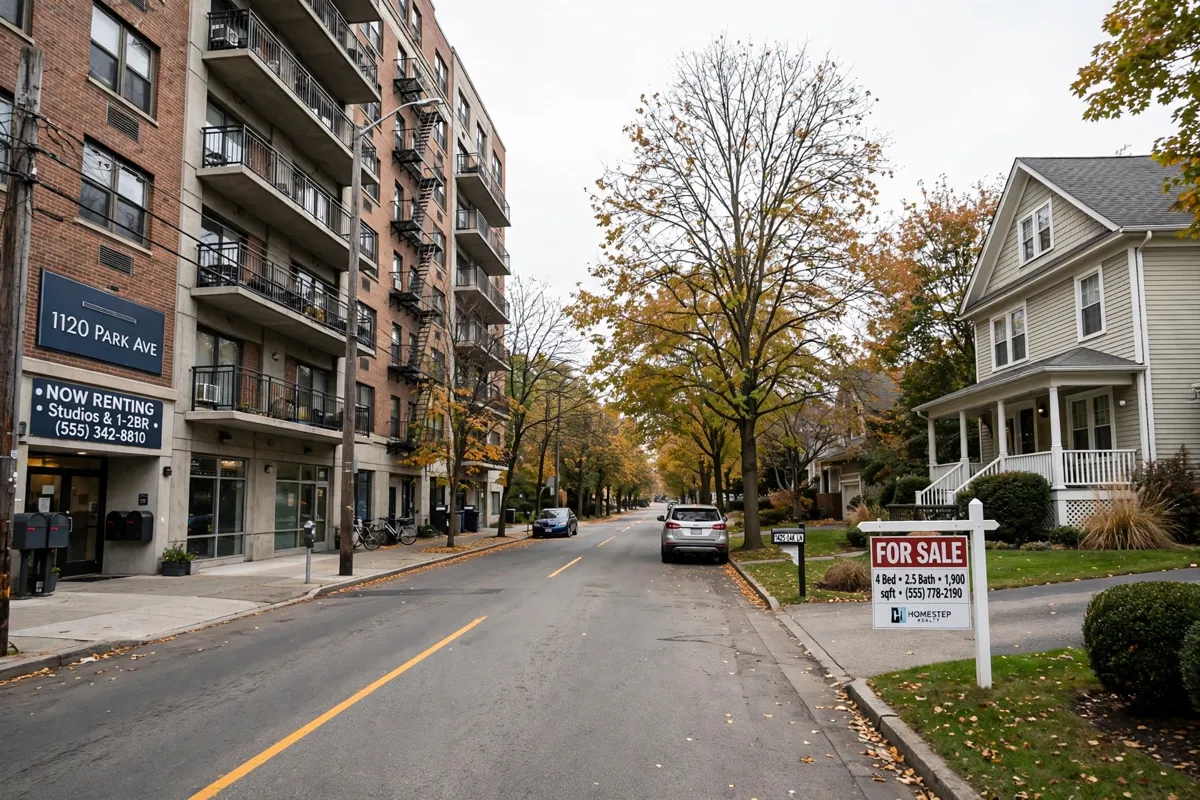
Rent looks simple — one monthly payment — but it has its own fine print. Over a typical lease you might pay a security deposit, possible agency or application fees, renter’s insurance, and moving costs each time you relocate. Rents also rise: increases of a few percent a year are common in many markets as a general pattern, which means the “cheap” option gets more expensive on a schedule you do not control. What rent never includes is equity — at the end of ten years of perfect payments, you own exactly what you owned at the start. What it does include is valuable: your landlord handles the roof, the boiler, and the 2 a.m. plumbing emergency.
The Real Cost of Buying
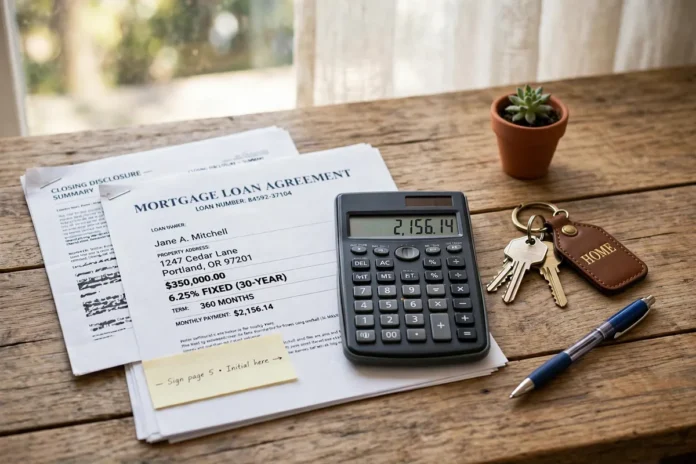
A mortgage payment is only the beginning of ownership. Add property taxes, homeowner’s insurance, possible mortgage insurance, maintenance (a common budgeting guideline is around 1–2% of the home’s value per year, as a general example), and repairs that arrive without asking permission. Then there are the one-time costs of getting in: the deposit, plus closing costs that surprise almost every newcomer — we itemized them in our guide to the hidden costs of buying a house. Buying only starts to look financially strong once those upfront costs are spread over enough years of living there.
The Break-Even Point: Time Is the Deciding Factor
Imagine two similar households paying similar monthly amounts — one renting at $1,800 a month, one buying a home with a similar total monthly cost. In year one, the renter is usually ahead: no closing costs, no deposit locked away, no repair bills. The buyer’s early mortgage payments are mostly interest, so equity grows slowly at first. Somewhere around the five-to-seven-year mark — a rough, commonly cited range that shifts with prices, rates, and rent growth — the buyer typically pulls ahead, as their payments build ownership and the home’s value (hopefully) grows while rent keeps climbing.
The lesson is simple: your time horizon decides more than the market does. Buying a home you will leave in two years is often an expensive detour; renting for fifteen years in a place you love can cost far more than buying would have. If you are curious what your current home or a target home might be worth in that equation, the methods in our home value estimation guide will help you ground the numbers.
When Renting Makes More Sense
- Your stay is short or uncertain: a new job, a possible relocation, or plans still forming
- Your local market favors renters: in some cities the rent on a home is far lower than the monthly cost of buying the same home
- Your savings are thin: buying with no cushion after closing leaves you one broken furnace away from debt
- You value flexibility: ending a lease is a letter; selling a home is a project
- Maintenance is not your thing: some people happily pay rent partly to never think about gutters again
When Buying Makes More Sense
- You plan to stay five years or more: enough time for equity and stability to outweigh the upfront costs
- You have a deposit plus a reserve: buying from strength, not from your last savings dollar
- Rents are climbing fast locally: a fixed mortgage payment looks better every year by comparison
- You want control: to renovate, keep pets freely, and never receive a landlord’s “we’re selling” letter
- You are ready for the responsibilities: and even a little excited about them
Equity deserves one plain explanation, because it is the engine of the buying case. Each mortgage payment is split between interest and principal; the principal part is effectively forced saving that increases your ownership share, slowly at first and faster in later years. If the home also rises in value, that growth applies to the whole property, not just the part you have paid off — which is why long-term owners often end up with substantial wealth in their home, and why short-term owners, who barely dent the principal before selling costs arrive, usually do not.
A Middle Path: Renting With a Buying Plan
For many people the honest answer is “not yet” rather than “never.” Renting deliberately — choosing a place slightly below your maximum budget and automatically saving the difference — converts renting from a waiting room into a launchpad. Use those years to build the deposit, strengthen your credit, and learn the neighborhoods you might buy in by actually living near them. Renters who treat the decision as a staged plan, with a target date and a savings system, usually arrive at buying in a far stronger position than people who buy in a panic because a lease ended. And if the plan changes along the way, you have lost nothing: savings and flexibility are valuable in every version of the future.
The Lifestyle Questions Behind the Numbers
Two households with identical finances can make opposite choices and both be right. Renters trade roots for mobility — the freedom to chase a job across the country or test a new neighborhood with low commitment. Owners trade mobility for stability and creative control — the garden you plant is still yours in ten years. Think about your actual next five years, not an idealized version: career changes, family plans, aging parents, and how much you genuinely enjoy looking after a property. The spreadsheet matters, but you have to live inside the answer.
FAQ
Is renting really throwing money away?
No. Rent buys housing, flexibility, and freedom from maintenance and repair risk. It does not build equity, which is a real long-term cost — but for shorter stays or unstable plans, renting is often the financially smarter choice.
What is the 5-year rule for buying a home?
A common guideline: if you expect to stay fewer than about five years, renting often works out cheaper once buying and selling costs are counted. It is a rule of thumb, not a law — local prices and rates can move the break-even point either way.
How do I compare rent vs mortgage fairly?
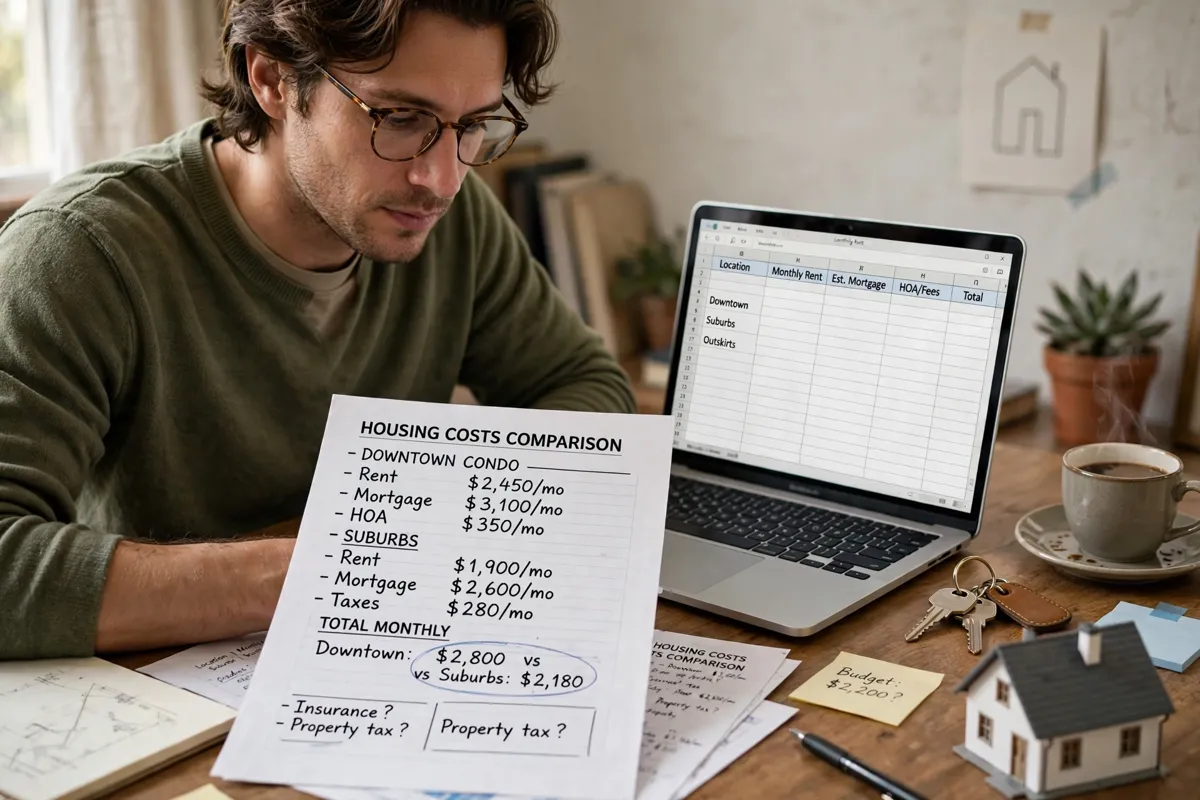
Compare total costs, not just the headline payments: rent plus fees and insurance versus mortgage plus taxes, insurance, maintenance, and the upfront closing costs spread over your expected stay.
Can I buy a home with a small deposit instead of renting longer?
Often, yes — many programs accept deposits around 3–5% as a general example. Just make sure you still keep an emergency reserve after closing; an empty savings account is the risk, not the smaller deposit itself.
The bottom line: renting vs buying a home is a life decision with a financial layer, not the other way around. Run the full-cost numbers for your own city, be honest about how long you will stay, and choose the option that fits the life you are actually planning.