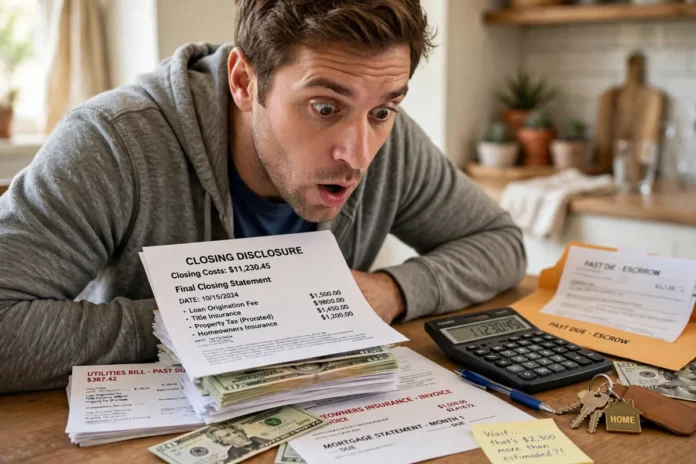
You have saved the deposit, won pre-approval, and found the house. Then the closing statement arrives — and the total is thousands more than you expected. The hidden costs of buying a house are rarely hidden on purpose; they are simply spread across a dozen line items that nobody mentioned while you were busy falling in love with the kitchen. Knowing them in advance turns a nasty surprise into a boring, budgetable list.
This guide gathers the costs buyers most often forget, from the day you make an offer to the end of your first year as an owner. All figures are general examples to help you plan, not quotes or financial advice — actual amounts vary by state, lender, and property. If you are still organizing the overall journey, our first time home buyer guide puts these costs in their proper place in the sequence.
Closing Costs: The 2–5% Nobody Warned You About
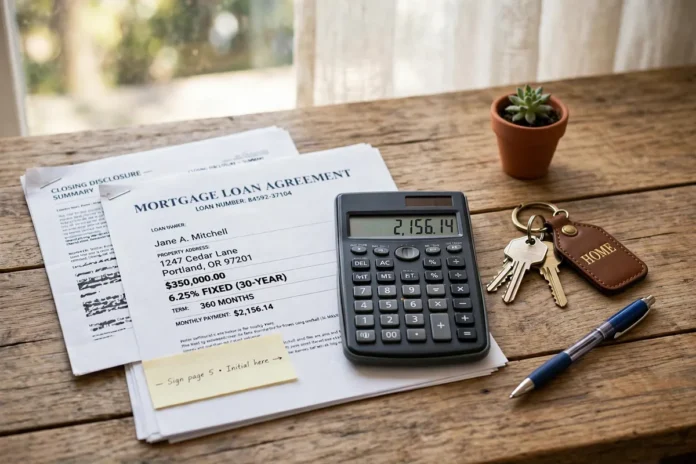
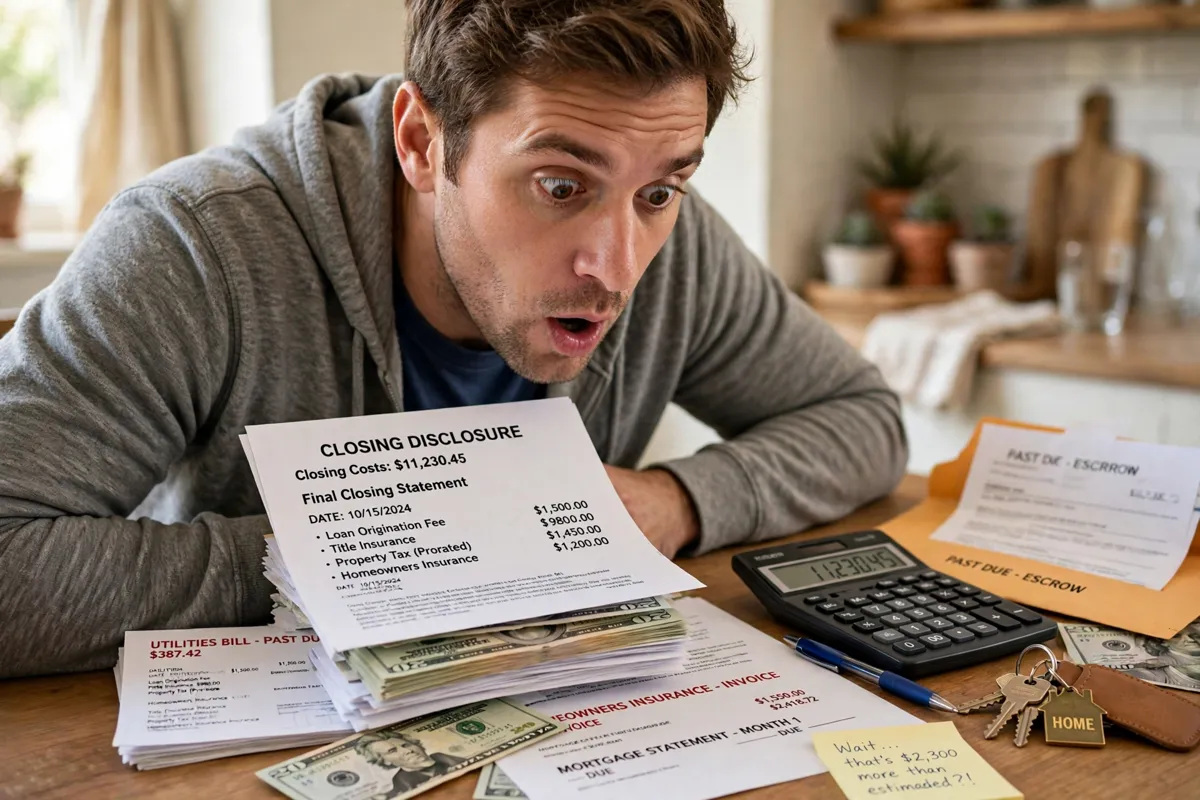
Closing costs are the cluster of fees charged to finalize your loan and transfer the property, and as a general example they often total around 2–5% of the purchase price — on a $350,000 home, that is roughly $7,000–$17,500 on top of your deposit. Typical components include:
- Loan origination and processing fees charged by your lender
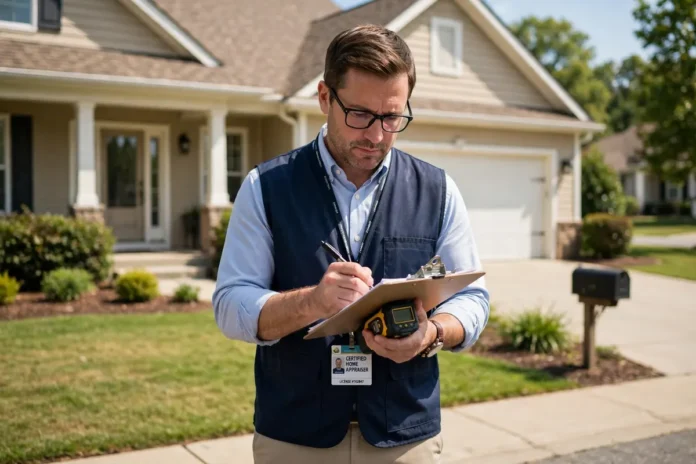
- Appraisal fee — often a few hundred dollars, paid before closing
- Title search and title insurance, protecting against ownership disputes
- Attorney or settlement fees, depending on your state
- Recording and transfer charges paid to local government
- Prepaid items: the first months of property taxes and insurance collected into escrow
You will receive a loan estimate early and a closing disclosure at least three business days before signing. Compare them line by line — and remember that some closing costs are negotiable or can sometimes be partly covered by the seller if the market allows.
There is also a timing trap inside closing costs: some of the largest items are due before or at the table, not after. Earnest money is typically paid within days of an accepted offer, inspection and appraisal fees come out of your pocket during the process, and the final closing amount must usually be sent by wire or cashier’s check — meaning the money needs to be sitting in the right account, fully cleared, days before you sign. Buyers who keep their reserves in hard-to-reach savings products sometimes face a stressful scramble in the final week, so ask your lender early exactly what will be due, when, and in what form.
The Inspection, Appraisal, and Other Pre-Purchase Fees
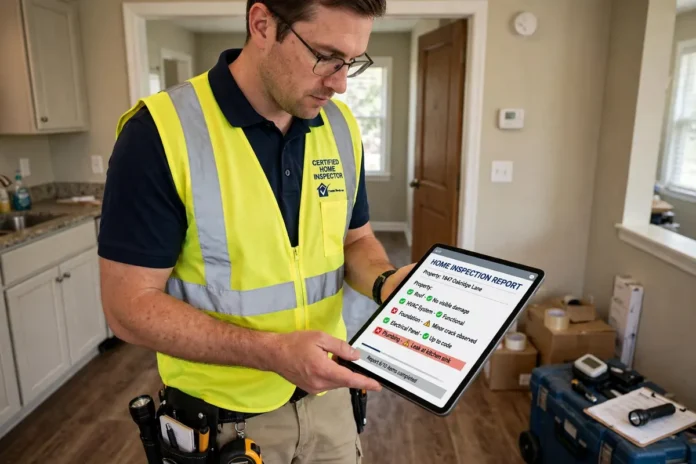
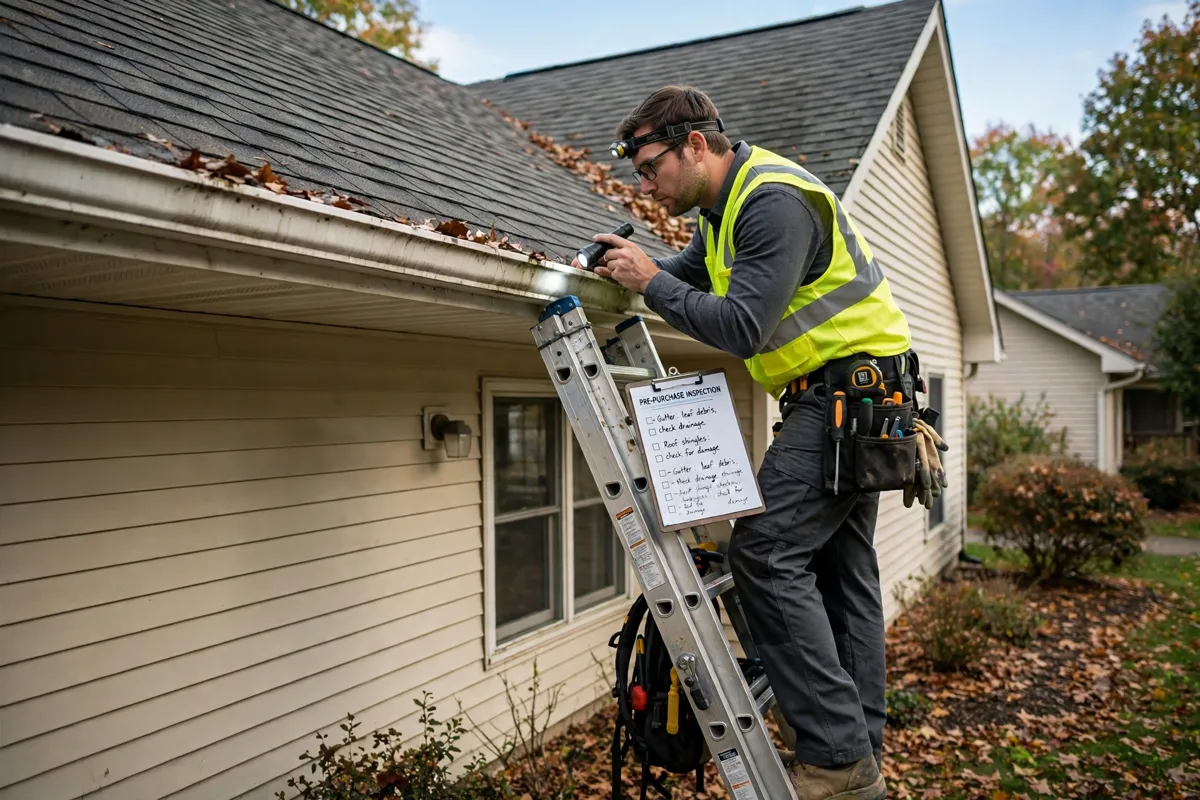
Before you even reach closing, smaller fees start accumulating: a home inspection commonly costs a few hundred dollars as a general example, and specialists — roof, sewer, pest — charge extra. Radon or well-water testing, surveys, and application fees may apply depending on the property. None of these is wasted money: the inspection in particular can save you from inheriting a five-figure problem, which is why skipping it to “save” a few hundred is one of the most expensive bargains in real estate.
Moving Day and Setting Up Home
Buyers budget for the purchase and forget the arrival. Professional movers for a local move often run from several hundred to a few thousand dollars as a general example, depending on distance and volume; add packing supplies, a possible overlap month of rent, utility connection fees, and the immediate purchases every new home demands — curtains, locks, a ladder, basic tools, cleaning supplies. A sensible planning figure many owners suggest is setting aside roughly 1% of the purchase price for move-in and set-up costs, separate from everything else.
Property Taxes and Insurance: The Monthly Costs Inside the Monthly Cost
Your mortgage payment is not just the loan. Most lenders bundle in property taxes and homeowner’s insurance through escrow, and both can be bigger than buyers expect. Property tax bills vary dramatically by location — the same-priced home can carry a tax bill several times higher in one state than another, and assessments can rise after a sale resets the valuation. Insurance premiums have also climbed in many regions. One extra caution from the world of famous properties: notoriety itself can affect a home’s economics — the Menendez brothers’ Beverly Hills mansion sat unsold for years and changed hands at a loss in the 1990s despite its size and location, a reminder that a home’s story can influence its costs and value in ways a spreadsheet misses. For ordinary homes the lesson is gentler: verify the actual tax and insurance figures for the specific address before you commit, not after.
Maintenance and Repairs: The First-Year Reality
The seller’s water heater does not care that you just spent your savings. A widely used budgeting guideline is to expect roughly 1–2% of the home’s value per year in maintenance and repairs as a general example — a few big-ticket systems (roof, HVAC, plumbing) dominate the list. In your first year, add the deferred jobs the previous owner left behind: gutter cleaning, servicing the furnace, resealing a driveway, fixing the fence gate that “always sticks.” This ongoing math is also central to the renting vs buying a home comparison — owners trade a landlord’s repair line for their own.
The Costs You Only Notice Later
A second wave arrives quietly: higher utility bills in a bigger space, lawn care or HOA dues (which can run from modest monthly sums to several hundred dollars in some communities, as a general example), pest control, new furniture that actually fits, and the “while we’re at it” renovation creep that turns one small project into three. None of these makes buying a mistake — knowing about them is precisely what separates a comfortable first year from a stressful one. It also helps to understand what you bought in market terms; our guide to estimating a home’s value explains the running costs and features that protect that value over time.
FAQ
How much should I budget beyond my deposit?
As a general example, plan on closing costs of roughly 2–5% of the price, plus moving and set-up funds, plus a starter maintenance reserve. Many buyers aim to keep an extra 5–8% of the purchase price accessible across the first year for everything in this article.
Can closing costs be negotiated or reduced?
Some can. You can shop lenders, ask about fee waivers, and — market conditions permitting — request seller concessions. Always compare the lender’s loan estimate with the final closing disclosure for changes.
What is escrow, and why does it raise my payment?
Escrow is an account your lender manages to pay your property taxes and insurance. A portion is collected with each monthly payment, so your “mortgage payment” is really loan + taxes + insurance combined.
Which hidden cost surprises buyers the most?
First-year maintenance, by most accounts. Buyers prepare for closing day, but the steady drip of small repairs and set-up purchases in the following twelve months is what actually strains budgets.
The bottom line: the hidden costs of buying a house are not a reason to avoid buying — they are a reason to buy with your eyes open. Budget for closing, moving, taxes, insurance, and a realistic maintenance reserve, and the day you get your keys can feel like a celebration instead of a financial hangover.