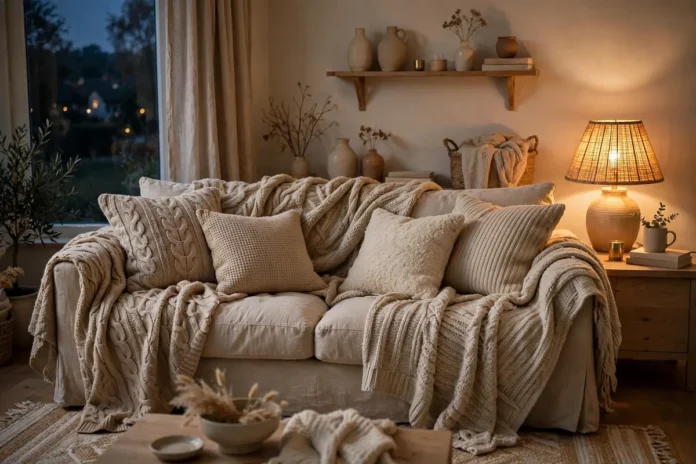
A small bedroom can feel either cosy or cramped, and storage is usually what decides which one it is. When every surface is covered and the closet door will not close, even a beautiful room feels stressful. The good news is that small bedrooms do not need more space; they need smarter storage. With a few well-chosen solutions, you can fit everything you own into a small room and still have space to breathe.
These small bedroom storage ideas focus on what actually works in real homes: using hidden space, going vertical, choosing furniture that does two jobs, and building habits that keep clutter from coming back. No renovation required.
1. Use the Space Under the Bed
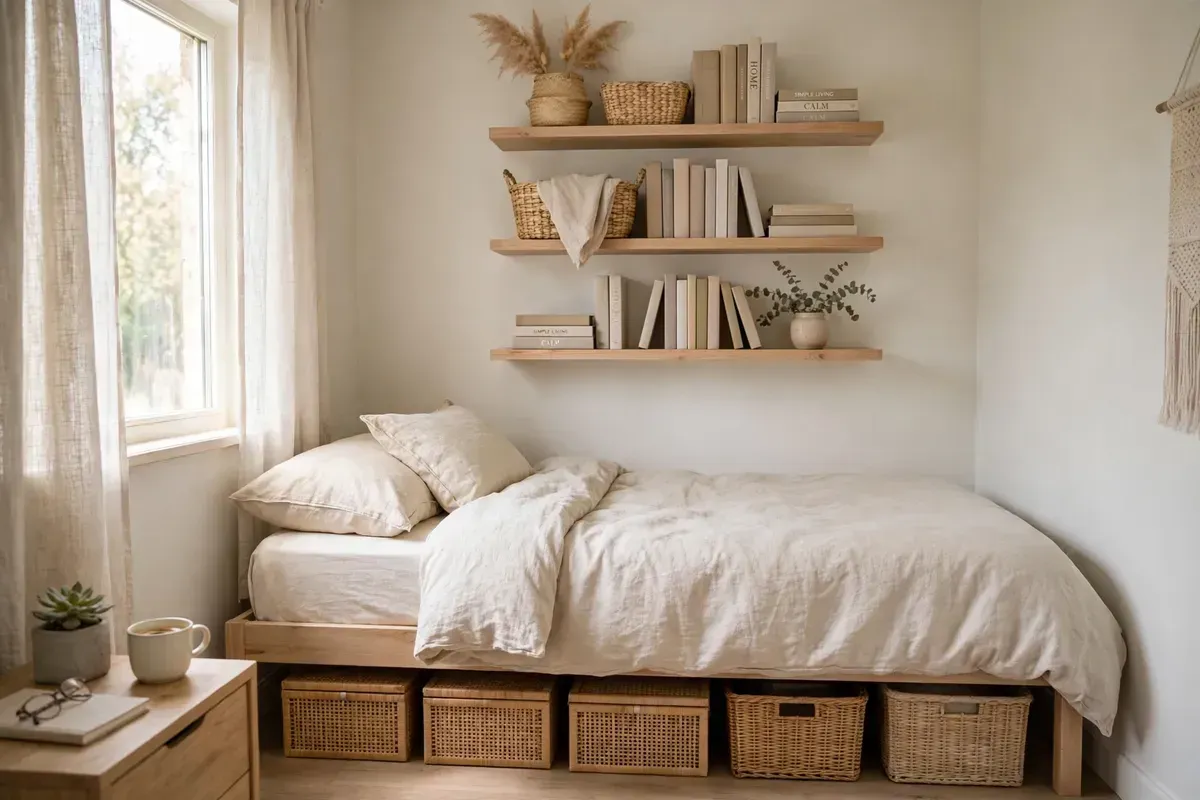
The area under the bed is the largest patch of unused storage in most bedrooms, and it is already paid for. Low, flat storage boxes on wheels slide easily under a standard bed frame and hold out-of-season clothes, extra bedding, shoes, or bags. Clear boxes let you see what is inside at a glance, while fabric boxes look tidier if the boxes are partly visible. Label every box, even the clear ones, so you are not pulling out four boxes to find one winter sweater.
If your bed sits too low for boxes, bed risers can add several centimetres of clearance for a small cost, and they are sturdy enough for everyday use. For a bigger change, a storage bed with built-in drawers replaces the boxes entirely and looks far neater, though it costs more. Whichever option you choose, keep the under-bed zone for things you need only occasionally. If you have to move boxes every day, the system will fall apart within a week.
2. Go Vertical With Wall Storage
Small bedrooms run out of floor space long before they run out of wall space. Shelves mounted above the bed, above a desk, or along an otherwise empty wall hold books, plants, baskets, and decorative items without taking a single centimetre of floor. Floating shelves look lighter than bookcases and can be fitted into awkward spots, such as the wall above a door or a narrow strip beside a wardrobe.
Hooks and rails are the unsung heroes of vertical storage. A row of hooks behind the door holds bags, hats, and tomorrow’s outfit. A peg rail in the bedroom works for jewellery, scarves, and belts. Over-door hooks need no tools at all and can be moved when your needs change. The key is to keep wall storage intentional: one or two well-organised shelves look calm, while every wall covered in shelves starts to feel like a warehouse. Leave some empty wall space on purpose; it makes the room feel bigger.
3. Organise the Closet You Already Have
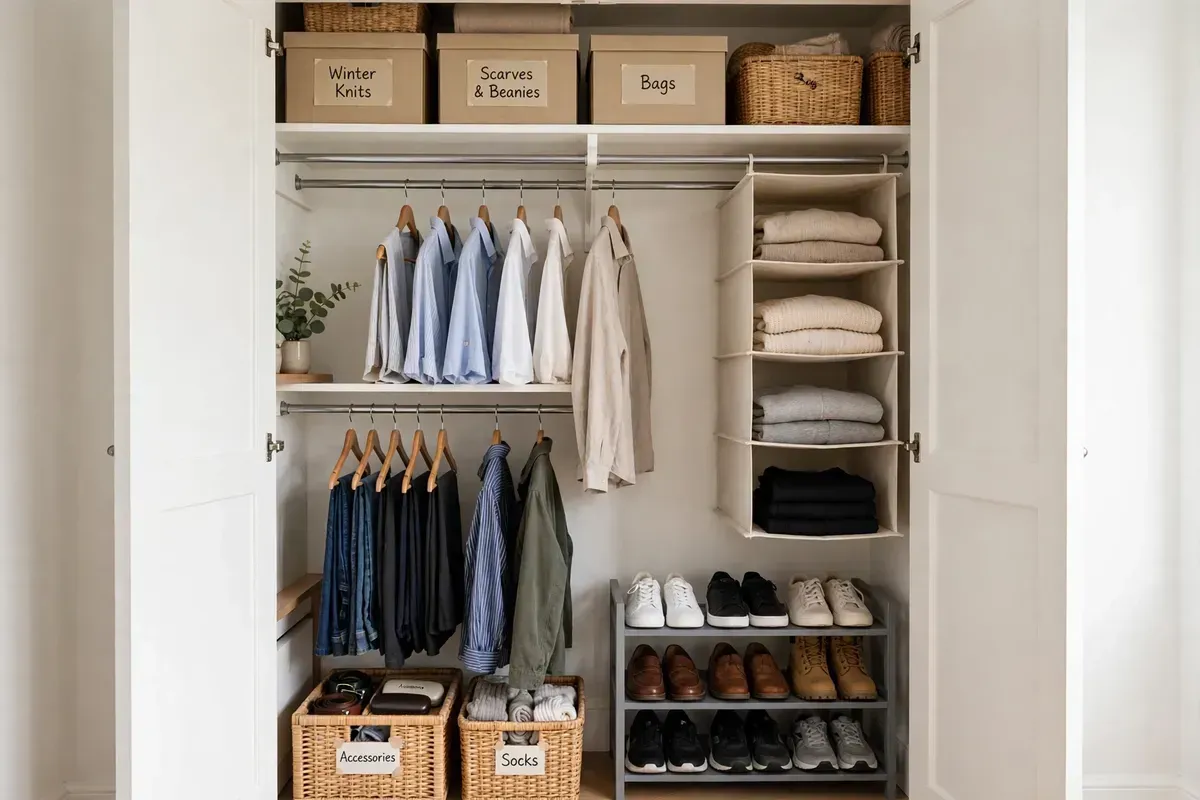
Before buying any new furniture, fix the closet. Most closets waste a surprising amount of space: a single hanging rail with empty air above it, a deep shelf where things get lost, and a floor piled with shoes. A second hanging rail, fitted below the first, instantly doubles hanging space for shirts and trousers. Shelf dividers stop stacks of jumpers from toppling, and hanging fabric shelves turn one tall space into several smaller cubbies for folded clothes.
Small additions make a big difference. A shoe rack or a row of shoe boxes on the closet floor ends the pile. Clear bins on the top shelf hold accessories, bags, or seasonal items you can see without climbing. Matching hangers, thin velvet ones in particular, save space and stop clothes sliding off, and they make the whole closet look calmer. Spend one focused afternoon on the closet, and you may find you do not need extra storage furniture at all. The same zoning and layout thinking behind our small living room layout ideas applies here: define a place for everything, and the room feels larger.
4. Choose Furniture That Does Double Duty
In a small bedroom, every piece of furniture should earn its place, ideally twice. An ottoman with storage inside works as seating, a footrest, and a blanket box. A bedside table with drawers beats a bare stool. A desk that folds down from the wall gives you a workspace without permanently taking floor space, which is especially useful if the bedroom doubles as a home office; our home office design ideas cover that combination in more detail.
The bed itself is the biggest opportunity. A storage bed with drawers, a loft bed with a desk or wardrobe underneath in a taller room, or even a simple headboard with built-in shelves all add storage without adding furniture. When shopping, measure carefully and check that drawers and doors can actually open fully in your room. A beautiful storage bed is useless if its drawers hit the wall or the wardrobe door.
5. Rethink the Nightstand
The traditional nightstand, a bulky table with a drawer, is often too big for a small bedroom and too small to be genuinely useful. Alternatives can work better. A wall-mounted shelf beside the bed holds a phone, a book, and a glass of water while leaving the floor completely clear, which makes the room feel more spacious. A narrow rolling cart tucks beside the bed and can be pulled out when needed. A small stool or a stack of books can serve as a nightstand in a very tight room, though you will need another spot for items that need a drawer.
Whatever you use, keep the nightstand zone minimal. A lamp, a book, and a phone charger are enough. Charging cables are a common source of nightstand clutter; a small cable clip or a charging tray keeps them tidy. If you share the room, give each person their own small surface or shelf so belongings do not merge into one crowded pile.
6. Build Decluttering Habits That Keep It Working
Storage systems fail without habits to support them. The most effective habit is the simplest: one thing in, one thing out. When a new item of clothing arrives, an old one leaves. This single rule prevents the slow creep that fills closets and drawers over months. A seasonal reset, once every three or four months, is the second habit worth building: take everything out of one storage zone, keep what you use, and move on what you do not.
Daily habits matter just as much. Making the bed each morning instantly makes the room look tidier, even if the closet is imperfect. A five-minute evening reset, putting clothes away instead of on the chair, returning books to shelves, clearing the nightstand, keeps small messes from becoming weekend projects. And be honest about what you keep: clothes you have not worn in a year, broken items you mean to fix, and duplicates of things you already own are the usual occupants of a crowded small bedroom. Letting them go frees more space than any storage product ever will.
Colour and light support all of this. Pale, calm wall colours make a small room feel larger, and the right bedroom paint colours also help you sleep better, which is the bedroom’s real job. Good lighting, especially a well-placed bedside lamp and natural daylight kept clear of cluttered windowsills, makes storage feel like part of a pleasant room rather than a constant battle.
Frequently Asked Questions
What is the best storage for a very small bedroom?
Start with under-bed storage boxes and a second hanging rail in the closet. These two changes use space you already own, cost very little, and usually free more room than any new piece of furniture.
How can I store clothes without a closet?
Use a freestanding clothes rail with a shelf underneath for shoes, a small dresser or set of drawers for folded items, and wall hooks for bags and accessories. A curtain hung from a ceiling track can hide an open rail and make the room look tidier.
Do storage beds really help in small rooms?
Yes, especially drawer beds, which replace a separate dresser for many people. Measure carefully first: drawers need clearance to open, and the bed frame should still leave comfortable walking space around it.
How do I keep a small bedroom tidy long term?
Follow one-in-one-out for clothes and belongings, do a short seasonal reset every few months, and spend five minutes each evening putting things back where they belong. Systems fail when items have no fixed home, so give everything a place first.
Conclusion
A small bedroom does not need to feel small. Use the space under the bed, take storage up the walls, organise the closet before buying anything new, choose furniture that works twice as hard, and rethink the nightstand. Then protect the result with simple habits: one thing in, one thing out, and a quick evening reset. Do those things, and your small bedroom becomes what it should be: a calm, comfortable room where everything has a place and you can actually relax.