The holiday season has a way of turning a spare room into the most important room in the house. Whether family is arriving for Thanksgiving, friends are staying over Christmas, or someone is stopping overnight on a long drive, guests remember how a room made them feel far more than how it looked in a photograph. A welcoming guest room rarely needs a renovation. It needs a comfortable bed, a little breathing room for belongings, decent light, and a handful of thoughtful details. Most of these ideas take a single weekend, and many cost nothing beyond a good clear-out and a wash cycle.
Start With the Bed: Layers Guests Actually Feel
The bed is where a guest room succeeds or fails, so it deserves first attention and the biggest share of any budget. A mattress that feels tired can be transformed with a mattress topper 2 to 3 inches thick in memory foam or feather-blend fill; it softens pressure points and feels like a good hotel bed, without replacing the mattress.
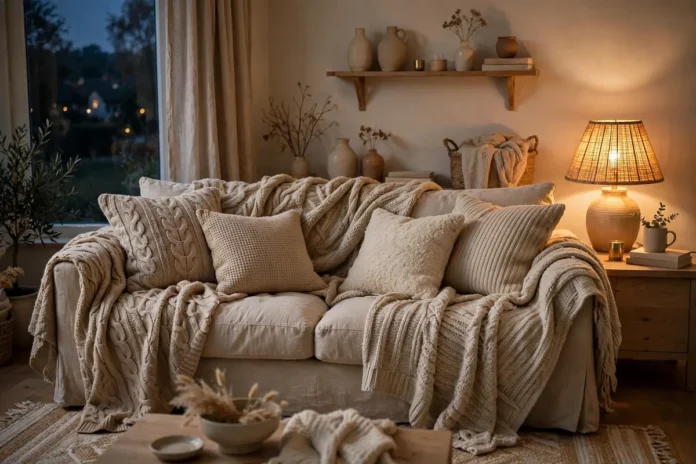
Layer the bedding the way better hotels do. Start with a fitted sheet and a flat sheet in cotton or a cotton blend, then add a medium-weight duvet or comforter, and finish with a folded throw or quilt across the foot of the bed. That final layer matters: guests run at different temperatures, and a spare blanket within reach means nobody has to choose between shivering and waking their host at 2 a.m. Keep colors calm — whites, warm greys, soft sage, or dusty blue.
Pillows deserve the same layered thinking. Two sleeping pillows per person is a fair standard, ideally one firmer and one softer. Add one or two smaller cushions only if there is somewhere obvious to put them at night. Finally, wash everything close to the arrival date, including the throw. Fresh-smelling bedding is the single cheapest luxury in a guest room.

Give Them Somewhere to Put Things
Guests live out of a suitcase only when a room gives them no alternative. Clear one drawer in a dresser, or empty a section of the closet roughly 2 feet wide with four or five free hangers. Even a small clear surface — a chair, bench, or folding luggage rack — beats the floor for an open suitcase, and racks fold flat for storage.
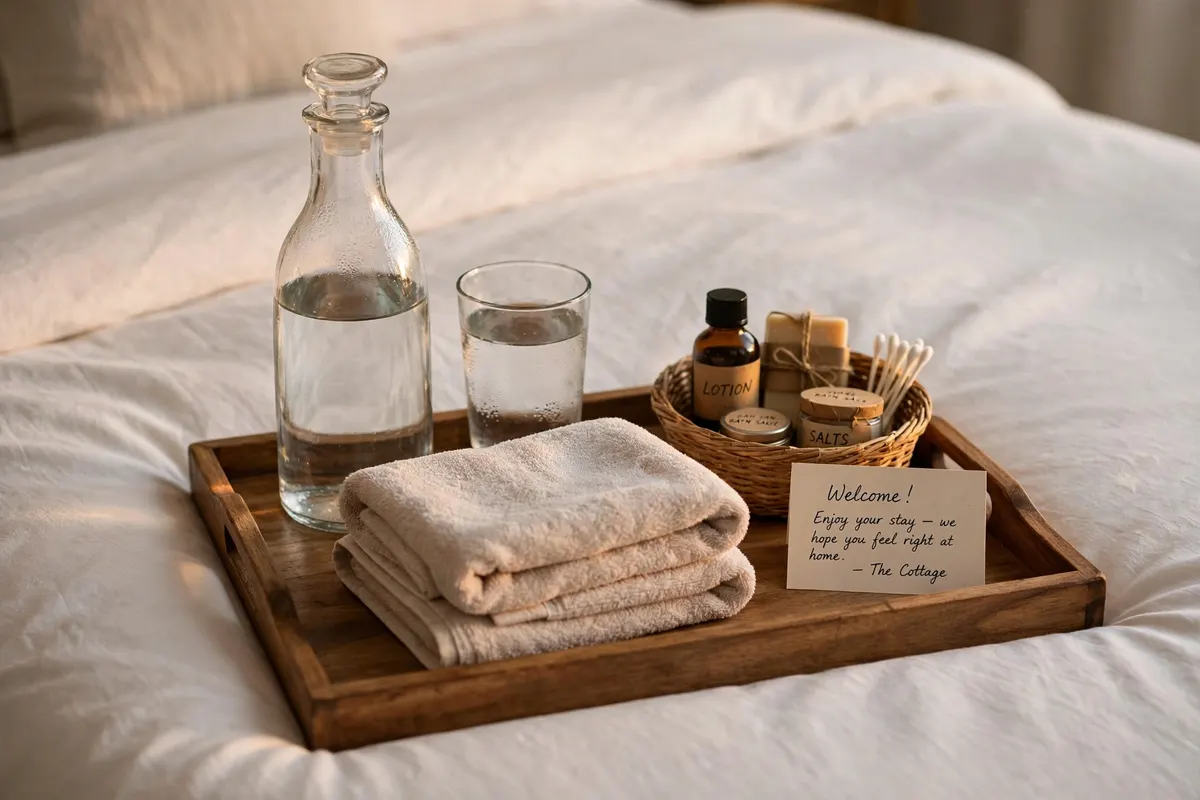
Then remove the small frictions of an unfamiliar room. A phone charger by the bed, or at least a free outlet within reach of the nightstand, saves the nightly hunt behind furniture; a power strip with USB ports is an inexpensive fix when outlets are scarce. A carafe of water and a glass on the nightstand means no midnight trip to an unfamiliar kitchen. A small wastebasket, a box of tissues, and a spare roll of toilet paper visible in the bathroom round out the unglamorous essentials guests quietly appreciate.
If the room is small, borrow the mindset behind our guide to small bedroom storage ideas: hooks on the back of the door for towels and coats, a slim over-door organizer for toiletries, and under-bed space kept empty so suitcases can slide out of sight.
Light and Privacy That Feel Considered
Overhead lighting alone makes any bedroom feel stark, especially to someone winding down in a strange place. A bedside lamp with a warm bulb — around 2700K — is close to non-negotiable, ideally one on each side of a double bed so one guest can read while the other sleeps. With only one lamp, place it nearest the door.
Windows need two layers to work well for guests. Blackout curtains or a blackout liner help visitors sleep past dawn after a long journey, while a sheer or light-filtering layer keeps the room private during the day without shutting out daylight. A small night-light in the hallway outside the door is another quiet kindness, guiding guests to the bathroom without a blazing ceiling light.
Warmth matters too: a spare folded blanket in the room and a heating vent that is not blocked by furniture. Guests rarely complain about being cold; they just sleep badly and leave tired.
The Small Details Guests Remember
Once the basics are covered, small gestures carry the room from comfortable to memorable. A simple welcome tray on the bed or dresser — a bottle of water, a couple of wrapped snacks, and a handwritten note — sets the tone in seconds. Include the Wi-Fi network name and password on a small card; it is the question every guest has and feels awkward asking. Add a line or two about the house: how the shower works, where extra towels live, what time coffee happens.
Scent should be subtle and clean rather than perfumed. Air the room out the day before, vacuum, and wipe down the nightstand. If a scent is used at all, keep it light — a small sachet in the drawer outperforms strong sprays, which can bother sensitive guests.
The same philosophy that makes our cozy reading nook ideas work applies here: one comfortable corner, one soft light source, and one personal touch beat a roomful of decoration. A paperback or two on the nightstand gives early risers something to do.
When the Guest Room Is Also an Office
Most spare rooms work double duty, and that is fine — the trick is making the second job invisible for a few nights. A daybed with a proper mattress is the hardest-working piece of furniture in a dual-purpose room: a sofa by day, a genuine bed by night, and far more comfortable than a pull-out with a bar in the middle. A wall bed or Murphy bed frees even more floor space, at a bigger investment.
For an office-guest combination, clear the desk surface completely and leave it as the guest’s dressing table. Move paperwork, chargers, and work clutter into a closed cabinet or a box in another room rather than stacking it in the corner; visible work makes guests feel they are sleeping in someone’s job. The goal is simple: for the length of the stay, the room belongs to the guest.
Bathroom Touches Just Outside the Door
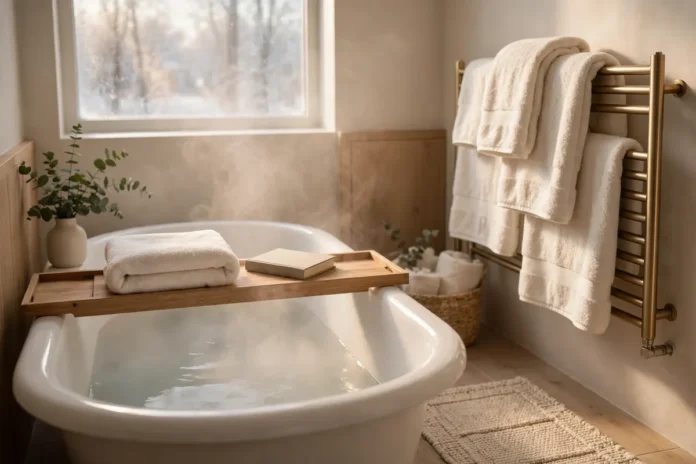
Guests judge a stay partly by the bathroom. Set out a clean towel set per guest — bath towel, hand towel, and washcloth — folded on the bed or hung on a dedicated hook. A small basket with travel basics covers the forgotten items: a spare toothbrush, toothpaste, shampoo, conditioner, cotton pads, and pain relievers.
Clear a little shelf or counter space, check the shower drains freely, and place a small bin with a liner in the room. These are ten-minute jobs that remove nearly every reason a guest has to knock on a door feeling embarrassed.
Where to Spend First on a Small Budget
If money is limited, spend in the order guests will feel it. First, the mattress topper and good pillows. Second, real bedding — a decent duvet and soft sheets. Third, a bedside lamp and a luggage rack. Everything after that is garnish: welcome trays, notes, and snacks cost almost nothing — they are mostly about thinking like a guest. Walk into the room, sit on the bed, and ask what would be wanted at midnight.
Frequently Asked Questions
What are the absolute essentials for a guest room?
A comfortable bed with clean layered bedding, two pillows per person, a bedside lamp, somewhere to put a suitcase, a free drawer or hanging space, a phone charging point, and water within reach. Everything else is a bonus.
How can a small room work as a guest room?
Use dual-purpose furniture such as a daybed, keep one clear surface for luggage, use hooks and over-door storage instead of extra furniture, and empty a small section of closet or one drawer.
What should go in a guest bathroom basket?
Forgotten basics: a spare toothbrush, toothpaste, shampoo and conditioner, cotton pads, tissues, and basic pain relievers. Add a fresh towel set per guest — bath towel, hand towel, and washcloth — so nobody has to ask.
How far ahead should a guest room be prepared?
A day or two is plenty. Wash the bedding, air the room, vacuum, set out towels, and check the bedside lamp and outlets the day before arrival so everything smells fresh and works when guests walk in.
Is a mattress topper really worth it for occasional guests?
Yes — it is usually the highest-impact, lowest-cost upgrade in the room. A topper 2 to 3 inches thick can make an aging or overly firm mattress feel genuinely comfortable, at a fraction of the cost of a replacement mattress.
What temperature should a guest room be?
Aim for a cool sleeping room and let guests adjust upward with layers — a duvet plus a folded throw covers most preferences. If the room has its own thermostat or a fan, say so in the welcome note so guests can settle themselves.